BY VICTORIA AMUNGA | 5484 MEDIA | KENYA
STORY HIGHLIGHTS
- Legend Revived: The world’s toughest rally has returned to the World Rally Championship after a 19-year absence, drawing an estimated 600,000 spectators to Naivasha in 2026.
- Kenyan Pride: Local rally legends including Shekhar Mehta and Carl Tundo continue to inspire a new generation of drivers and fans.
- Economic Impact: The event injects more than $50 million into Kenya’s tourism economy each year, strengthening its position as East Africa’s motorsport hub.
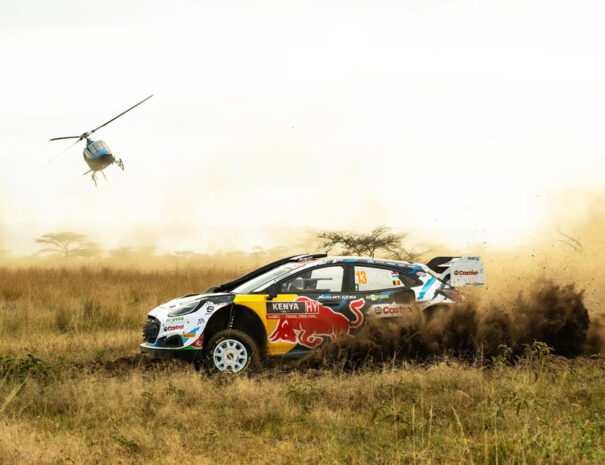
In the dusty heat of Kenya’s Great Rift Valley, engines thunder across acacia-dotted plains as crowds line the tracks near Naivasha — affectionately known as “Vasha” by locals.
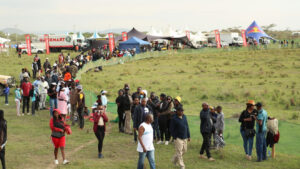
A rally car bursts into view, throwing clouds of red earth into the air as it powers through the rugged terrain.
This March 2026, the Safari Rally Kenya drew an estimated 600,000 spectators over three electrifying days, reaffirming its reputation as one of the most demanding events in global motorsport.
Roots in a Royal Celebration
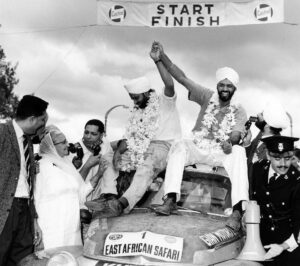
The rally’s origins date back to 1953, when East African motoring enthusiasts created a gruelling endurance race to mark the coronation of Elizabeth II.
Originally known as the East African Coronation Safari, the route stretched nearly 4,800 kilometres across Kenya, Uganda and Tanganyika — now Tanzania — traversing rough tracks, rivers and wildlife-filled landscapes.
By 1972 the rally had joined the World Rally Championship, quickly earning a formidable reputation. In some years fewer than 20% of competitors reached the finish line.
Forging Kenya’s Rally Icons
For Kenya, the Safari Rally became more than a race — it became a national spectacle.
Five-time winner Shekhar Mehta dominated the event between 1972 and 1982, guiding his Fiat through rivers, mud and wildlife-filled tracks.
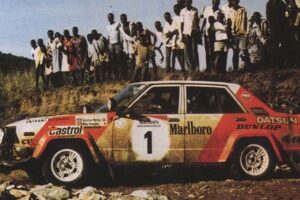
Other Kenyan champions followed, including Ian Duncan, who secured four victories, and multiple national champion Carl Tundo.
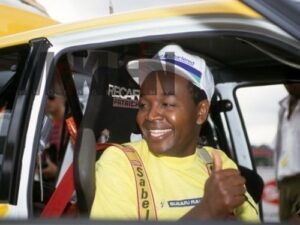
Their success combined mechanical skill with bush-honed survival instincts, inspiring generations of drivers and helping establish Kenya as a rally powerhouse.
Two Decades in the Shadows
Despite its fame, the Safari Rally disappeared from the WRC calendar after 2002, amid rising logistical costs, security concerns and shifts in the championship schedule.
Yet its legend endured. Drivers swapped stories of wildlife encounters, flooded river crossings and breakdowns in the wilderness.
Local organisers — supported by partners such as Safaricom and Automobile Association of Kenya — continued to stage the rally domestically while campaigning for its return.
A Triumphant Return
The event finally rejoined the World Rally Championship in 2021, with stages around Naivasha and through Hell’s Gate National Park testing drivers against rocky tracks, dust and unpredictable weather.
That year’s race was won by Finland’s Kalle Rovanperä.
In 2026, Belgium’s Thierry Neuville claimed victory after battling extreme heat, sudden storms and punishing terrain that pushed both cars and tyres to their limits.
More Than Motorsport
For Kenya, the Safari Rally is as much about national pride as it is about speed.
Drivers navigate not only rough terrain but also dust storms, wildlife crossings and altitude shifts of up to 3,000 metres — conditions that make it one of the most unpredictable rallies in the world.
Economically, the event brings significant benefits. The Kenya Tourism Board estimates the rally generates more than $50 million annually through tourism, hospitality and local businesses.
Hotels fill with visitors, roadside vendors sell food and crafts, and hundreds of local youth are trained as marshals and event staff.
Kenya’s Motorsport Showcase
As hybrid rally cars roar across Kenya’s dramatic landscapes, the Safari Rally continues to blend modern motorsport with the raw unpredictability of the African wilderness.
More than seven decades after its creation, the event remains a powerful symbol of endurance — drawing fans and competitors from around the world back to Kenya’s untamed terrain.