BY STAFF REPORTER | 5484 MEDIA | KENYA
STORY HIGHLIGHTS
- Several African countries remain heavily reliant on oil imports transported through the Strait of Hormuz.
- Any disruption to the strategic waterway could trigger higher fuel prices, inflation and economic strain.
- Experts warn greater energy diversification is needed to reduce vulnerability to global shocks.
Several African countries remain highly vulnerable to disruptions in the Strait of Hormuz, a key global shipping route through which a significant share of the world’s oil supplies pass.
According to data cited by the United Nations Conference on Trade and Development (UNCTAD), many import-dependent African economies source a large proportion of their petroleum products from suppliers linked to the Gulf region, leaving them exposed to sudden price increases and supply disruptions.
The warning comes amid renewed concerns over geopolitical tensions in the Middle East and the potential impact on global energy markets.
Why the Strait of Hormuz Matters
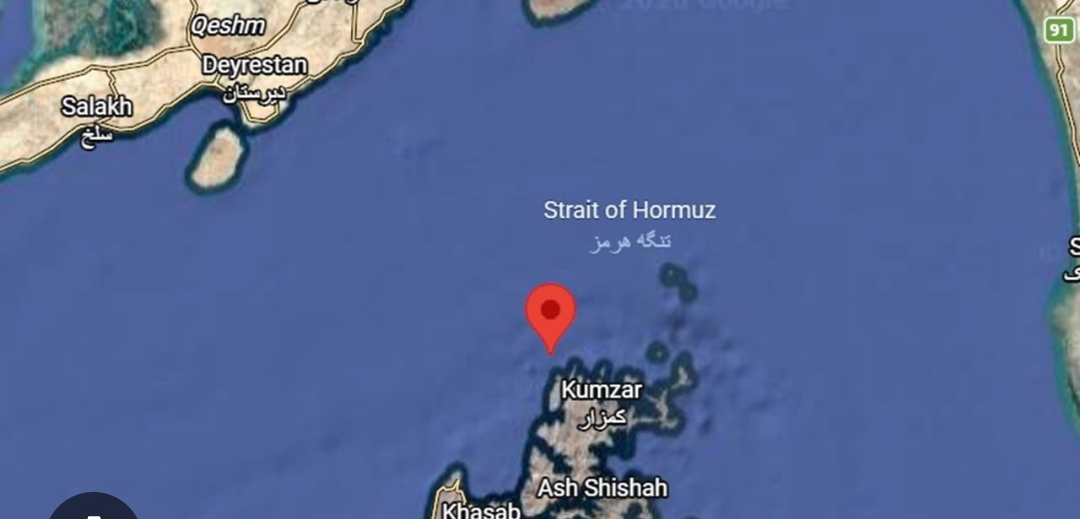
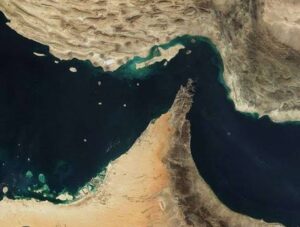
The Strait of Hormuz, located between Oman and Iran, is one of the world’s most important energy chokepoints. Millions of barrels of crude oil and petroleum products pass through the narrow waterway each day, connecting major Gulf producers to global markets.
Any disruption to shipping through the strait can quickly affect fuel prices worldwide, with the impact often felt most sharply by countries that rely heavily on imported energy.
For many African economies, higher oil prices translate into increased transport costs, more expensive electricity generation and rising inflation, placing additional pressure on households and government budgets.
Small Economies Among the Most Vulnerable
UNCTAD data suggests that small island economies and countries with limited domestic energy production face the greatest risks.
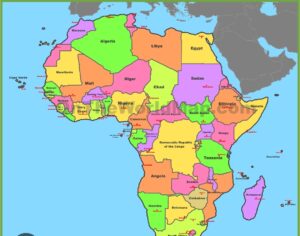
The report identifies Seychelles as among the most exposed economies globally due to its heavy dependence on imported fuel. Mauritius and Tanzania are also listed among countries with significant exposure to oil imports linked to the Hormuz route.
Many of these economies lack sufficient refining capacity or alternative supply sources, making them particularly sensitive to global market disruptions.
Impact on Public Finances
The economic consequences of a major supply disruption could be substantial.
UNCTAD estimates that a 50% increase in oil prices could raise fuel import costs for vulnerable economies by more than $20bn (£15bn) annually.
For lower-income countries, higher fuel bills could divert resources away from essential services such as healthcare, education and infrastructure development.
Economists warn that countries already facing debt pressures and limited fiscal space would struggle to absorb prolonged increases in energy costs.
Calls for Energy Diversification
The findings have renewed calls for African countries to diversify energy sources, strengthen regional fuel supply networks and invest in renewable energy.
Analysts say reducing dependence on imported petroleum products could help shield economies from external shocks while improving long-term energy security.
While global energy markets remain closely tied to developments in the Gulf, experts argue that expanding domestic energy production and alternative energy sources will be critical to improving resilience across the continent.
For many African economies, the challenge is not only securing reliable fuel supplies today but preparing for a future in which global energy disruptions may become increasingly frequent.