BY STAFF REPORTER | 5484 MEDIA | KAMPALA
STORY HIGHLIGHTS
- Uganda will introduce new limits on cash withdrawals and cheque transactions from January 2027.
- Digital payments in the country exceeded $100bn (UGX366 trillion) in 2025, driven by rapid mobile money growth.
- Authorities say the move will promote transparency and financial inclusion, but concerns remain for cash-dependent communities.
Uganda is set to impose stricter limits on cash withdrawals and cheque transactions from January 2027 as authorities accelerate efforts to shift the country towards a digital-first financial system.
The new measures, announced by the central bank, come after electronic transactions in the East African nation surpassed $100bn (UGX366 trillion) in 2025, highlighting the growing role of digital payments in the economy.
Officials say the changes are intended to encourage the use of electronic payment platforms, improve transparency in financial transactions and reduce dependence on physical cash.
New Limits on Cash and Cheques
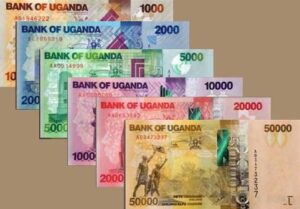
Under the new rules, individuals will be allowed to withdraw a maximum of UGX50 million ($13,700) per day and UGX250 million ($68,500) per week over the counter.
Businesses will face higher thresholds, with daily withdrawal limits of UGX500 million ($137,000) and weekly limits of UGX2.5 billion ($685,000).
The central bank is also reducing cheque transaction limits across several currencies.
The maximum value for Uganda shilling-denominated cheques will be reduced from UGX10 million to UGX5 million, while limits for US dollar, euro, pound sterling and Kenyan shilling cheques will also be cut by half.
The measures are due to take effect on 1 January 2027.
Digital Payments Drive Policy Shift
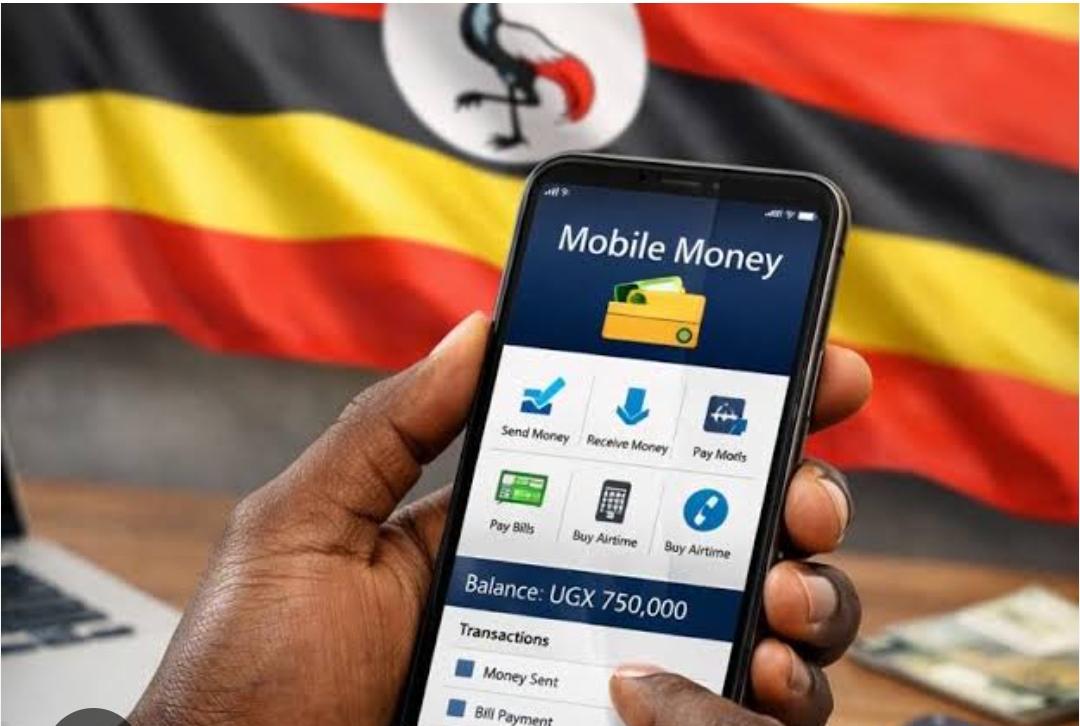
The restrictions follow rapid growth in Uganda’s digital financial sector, particularly mobile money services, which have become a key part of everyday transactions.
According to figures released by the central bank, the value of electronic money transactions increased by 28% in 2025 to UGX366 trillion ($100.3bn), while transaction volumes rose by more than 17% to 9.1 billion.
Mobile money transactions grew even faster, with values rising by 40% to UGX66.1 trillion ($18.1bn).
The number of active mobile money users reached 36.3 million, while the country’s network of mobile money agents expanded to more than 1.16 million.
In a circular to financial institutions, the central bank said the reforms are part of efforts to build a “modern, digital-first financial landscape” and encourage the adoption of secure electronic payment channels.
A Broader Trend Across Africa
Uganda’s move reflects a wider trend across Africa, where governments are increasingly promoting digital payments to improve financial transparency, strengthen tax collection and combat illicit financial activity.
Unlike cash transactions, digital payments create electronic records that can help authorities track economic activity and improve oversight of financial flows.
Supporters of the reforms argue that increased digitisation can also lower transaction costs, improve financial inclusion and support the growth of formal businesses.
Challenges for Cash-Dependent Communities
Despite the growth of digital finance, cash remains a vital part of daily life for many Ugandans, particularly in rural areas and the informal sector.
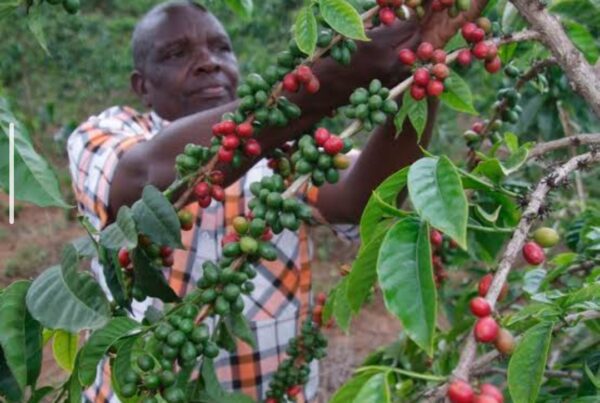
Small traders, transport operators and farmers often rely on cash transactions, while access to reliable internet services, banking infrastructure and digital literacy remains uneven across the country.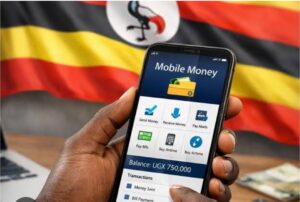
Financial analysts say the success of the reforms will depend on how effectively digital payment systems can accommodate more users without creating barriers for those who still depend on physical currency.
While Uganda’s digital economy is expanding rapidly, the transition away from cash is likely to test the country’s ability to balance technological progress with financial inclusion.
For now, policymakers appear convinced that the future of money in Uganda will be increasingly digital, even as cash continues to play a significant role in the wider economy.