

BY VICTORIA AMUNGA | 5484 MEDIA | KENYA
STORY HIGHLIGHTS
- Kenya assures public of sufficient fuel stocks despite global supply concerns
- Heavy reliance on Middle East imports exposes East Africa to geopolitical shocks
- Neighbouring countries introduce fuel-saving measures as prices remain volatile
Concerns over a possible fuel shortage in Kenya have surfaced following disruptions linked to the ongoing tensions in the Middle East — a region that supplies a significant share of the world’s crude oil.
Global oil markets have reacted nervously to uncertainty around shipping routes, particularly the Strait of Hormuz, a narrow channel through which roughly a fifth of global oil consumption passes each day. Any instability in the corridor typically pushes up freight costs, insurance premiums, and ultimately pump prices worldwide.
Kenya, like many African economies, is particularly exposed. The country imports nearly all of its refined petroleum products, with the majority sourced from Gulf producers including the United Arab Emirates, Saudi Arabia and Oman.
Spot Checks Show Localised Supply Constraints
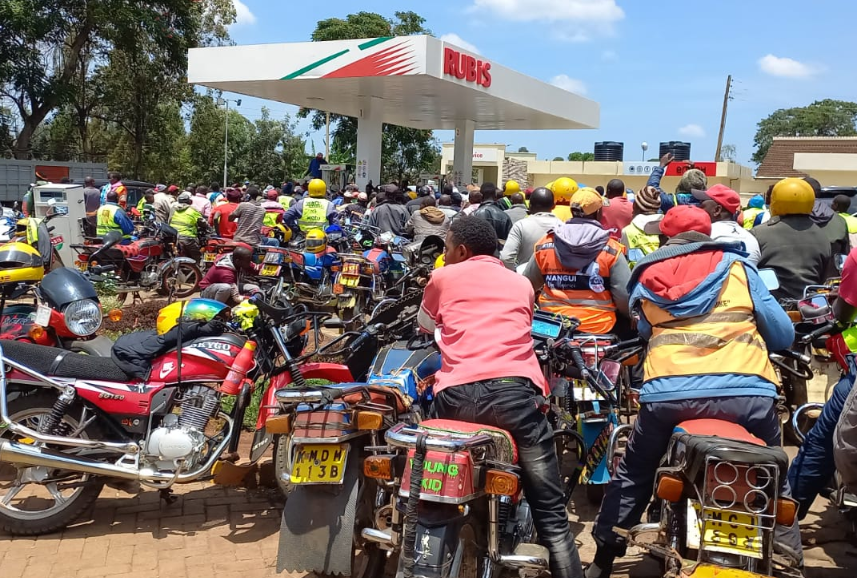
A spot check at several petrol stations in parts of Kenya indicated intermittent supply constraints, with some retailers reporting delayed deliveries. Industry players warn that prolonged disruptions in shipping schedules could tighten availability if the conflict persists.
Energy analysts say such short-term shortages often stem from logistical delays rather than an actual depletion of national reserves, but they can trigger panic buying and price speculation.
Government Denies Nationwide Shortage
The government has moved to reassure the public, dismissing claims of a nationwide shortage.
In a statement, the Managing Director of the Kenya Pipeline Company, Pius Mwendwa, said there are sufficient stocks in state terminals and depots across the country.

He added that existing reserves are adequate to meet both current consumption levels and projected demand, urging motorists and businesses to avoid panic purchases.
Kenya’s fuel supply chain relies on imports through the port of Mombasa, followed by inland transportation through pipeline infrastructure and road networks to neighbouring landlocked countries. Any delay at sea can therefore ripple across the region.
Regional Ripple Effects
Across the border, authorities in Tanzania have taken precautionary steps as global fuel pressures mount.
President Samia Suluhu Hassan has directed government officials to reduce fuel consumption by limiting non-essential travel. The government has also scaled down large official convoys — a symbolic and practical move aimed at conserving fuel.
Such measures reflect growing concern across East Africa about the vulnerability of import-dependent economies to geopolitical shocks.
A Global Issue with Local Consequences
Fuel price fluctuations tied to Middle East instability affect not only Kenya but also global consumers, including diaspora communities who rely on transport, logistics and remittances linked to African economies.
Higher fuel costs typically feed into inflation, raising prices of food, transport, and essential goods. For export-driven sectors such as horticulture and tourism — both key to Kenya’s economy — increased fuel costs can also affect competitiveness.
Analysts say the situation highlights the urgency for African economies to diversify energy sources, invest in strategic reserves, and accelerate transition to alternative energy.
For now, authorities in Kenya maintain that supply remains stable — but with global markets on edge, the situation continues to be closely watched.