BY VICTORIA AMUNGA | 5484 MEDIA | NAIROBI
STORY HIGHLIGHTS
- Transparency drive: Kenya deploys body‑worn cameras for customs officers at major border points
- Global playbook: Move follows similar initiatives in the US, UK and Australia
- High stakes: Authorities hope to curb smuggling, corruption and revenue losses in a key trade hub
Kenya has begun equipping customs officers with body‑worn cameras in a bid to strengthen border security, curb corruption and improve the collection of public revenue.
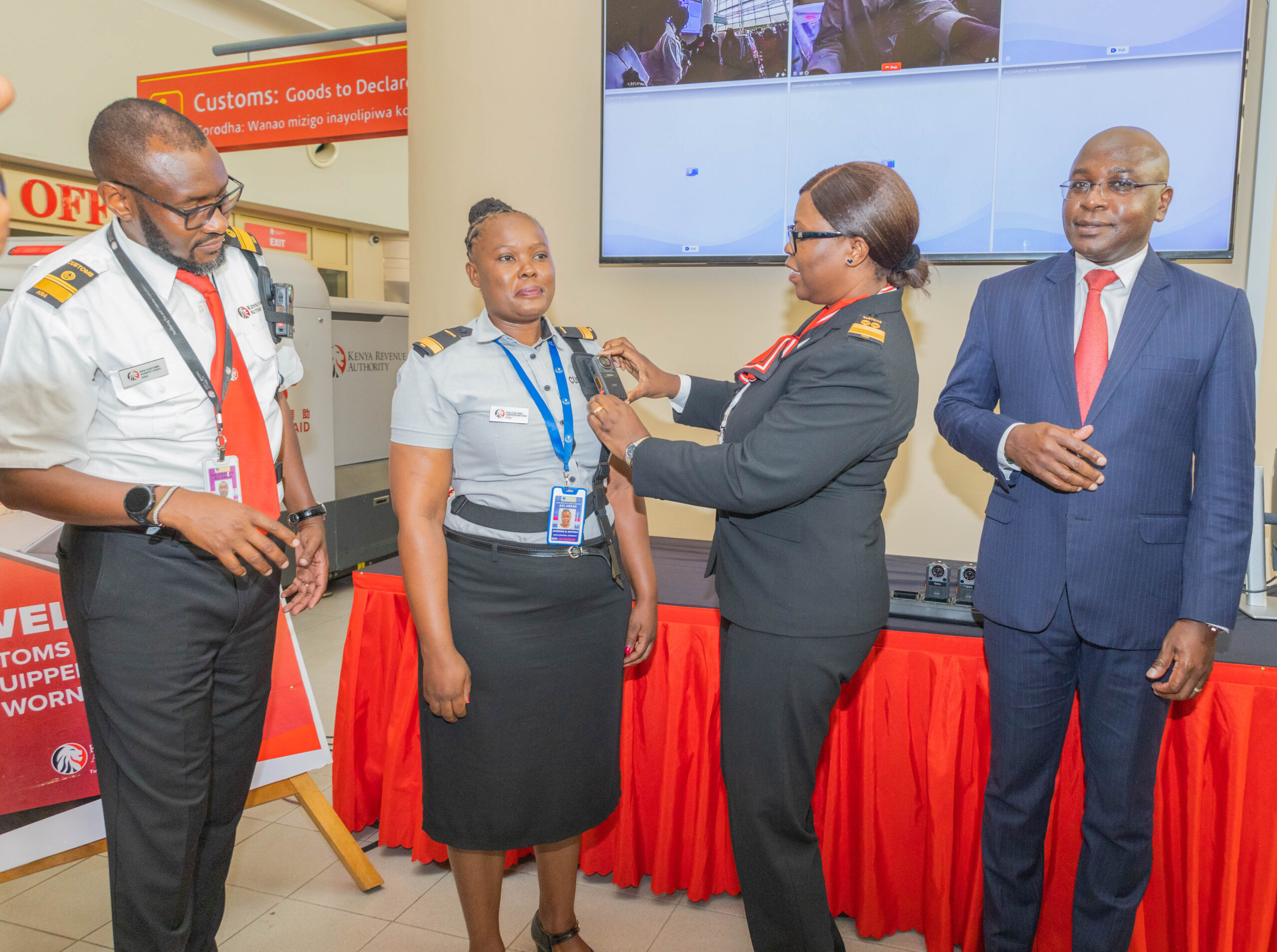
The Kenya Revenue Authority (KRA) says at least 350 cameras are being rolled out to frontline officers working at ports, airports and land border crossings. The devices record both video and audio during cargo inspections, passenger screening and interactions with traders.
Officials describe the move as a response to increasingly complex smuggling operations, often involving organised criminal networks trafficking narcotics, counterfeit goods and other illicit products across borders.
Customs officers, they say, are frequently placed in tense situations where disputes arise and enforcement decisions are challenged. In the past, investigations have sometimes stalled due to a lack of clear, verifiable evidence.
Evidence, Oversight and Accountability
The cameras are supported by a broader digital infrastructure, including secure data servers, docking stations and a central command centre responsible for managing footage.
Each device is linked to GPS technology, allowing supervisors to track deployments and verify when and where recordings are made. The footage is intended to serve both as evidence in prosecutions and as a safeguard for officers and members of the public.
KRA Commissioner General Humphrey Wattanga said the system would “accurately document interactions, raise professional standards and strengthen public trust in border operations”.
The programme is being implemented with support from the World Bank as part of wider efforts to modernise customs administration and manage rising trade volumes.
A Global Problem, a Familiar Solution
Kenya’s decision mirrors a growing global trend. Customs and border agencies worldwide have increasingly turned to body‑worn cameras as tools for accountability and deterrence.
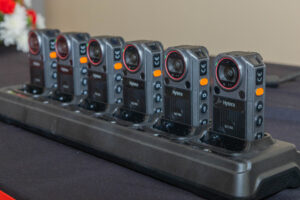
In the United States, Customs and Border Protection introduced body cameras for frontline officers several years ago, citing improvements in evidence collection and reductions in complaints. The UK’s Border Force has also expanded its use of the technology, reporting fewer allegations of misconduct and faster resolution of disputes.
Australia, which began deploying cameras for border officers in the early 2020s, has linked their use to improved responses to tobacco and drug smuggling, particularly in high‑risk ports.
While results vary by country, international agencies and researchers have consistently noted that the presence of cameras can influence behaviour on both sides of an encounter — discouraging bribery, intimidation and abuse.
Why It Matters for East Africa
Kenya occupies a strategic position as a gateway to East and Central Africa, with the port of Mombasa serving several landlocked countries. Any weaknesses at its borders can have regional consequences.
Illicit trade is estimated to cost African economies billions of dollars each year, undermining public services, distorting markets and fuelling organised crime. For Kenya, customs revenue remains a critical source of government funding.
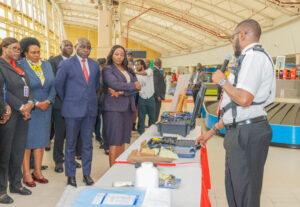
By adopting body‑worn cameras, authorities hope not only to recover lost revenue but also to rebuild confidence among traders who complain of delays, inconsistent enforcement and corruption.
The cameras, officials say, are as much about improving service delivery as they are about enforcement.
Balancing Technology and Trust
Civil society groups have broadly welcomed the move, while urging clear rules on data protection, privacy and oversight. Questions remain about how long footage will be stored, who can access it, and how complaints from officers or civilians will be handled.
KRA says internal guidelines and legal safeguards are being finalised to ensure the technology is used responsibly.
For Kenya, the rollout marks a visible shift towards technology‑driven governance at a time when public trust in institutions is under strain.
As Mr Wattanga put it, the goal is to “professionalise border enforcement while protecting the public interest”.