


BY SPECIAL CORRESPONDENT | 5484 MEDIA | KENYA
STORY HIGHLIGHTS
- New Development Bank approves $1bn funding package for South Africa’s eight major metropolitan municipalities.
- Loan will finance upgrades to water, sanitation, electricity and waste-management infrastructure.
- Funding comes amid growing concerns over municipal service failures and ageing urban infrastructure.
South Africa has secured a $1bn (£740m) loan from the New Development Bank (NDB), the BRICS-backed multilateral lender, to help modernise critical infrastructure across the country’s largest cities.
The funding, approved during an NDB board meeting in Shanghai, China, will support water supply, sanitation, electricity distribution and waste-management projects in eight metropolitan municipalities, including Johannesburg, Cape Town and Durban.
South African officials say the investment is intended to address mounting infrastructure challenges that have disrupted daily life and economic activity in several urban centres, while helping improve service delivery for millions of residents.
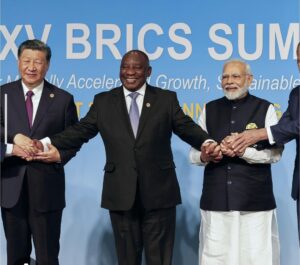
The funds will be channelled through South Africa’s Programme for Upgrade of Infrastructure for Metropolitan Municipalities, a government initiative aimed at rehabilitating and expanding essential urban infrastructure.
Infrastructure Under Pressure
South Africa’s metropolitan municipalities are home to a significant share of the country’s population and economic activity. However, many have faced years of infrastructure deterioration, maintenance backlogs and financial constraints.
Cities including Johannesburg have experienced recurring water shortages and supply interruptions in recent years, while other municipalities have struggled with ageing sewage systems, unreliable electricity distribution networks and growing waste-management challenges.
The loan will support projects in Johannesburg, Tshwane, Ekurhuleni, Cape Town, eThekwini, Nelson Mandela Bay, Mangaung and Buffalo City.
The South African government has repeatedly identified local government reform and infrastructure renewal as key priorities, arguing that reliable municipal services are essential for economic growth and improved living standards.
Why the Funding Matters
Economists and business groups have increasingly warned that failing municipal infrastructure is undermining productivity, increasing operating costs and discouraging investment.
Reliable access to water, sanitation and electricity is particularly important for sectors such as manufacturing, logistics, retail and property development, all of which depend heavily on functioning municipal services.
“Improving infrastructure at municipal level is critical not only for residents but also for economic competitiveness,” said one infrastructure analyst.

The latest financing package is expected to fund both rehabilitation of ageing infrastructure and expansion projects aimed at meeting growing urban demand.
Part of a Broader Development Strategy
The New Development Bank was established in 2015 by the BRICS countries—Brazil, Russia, India, China and South Africa—to provide financing for infrastructure and sustainable development projects in emerging economies.
Since its creation, the bank has approved several projects in South Africa covering renewable energy, transport, water infrastructure and municipal development.
The latest facility aligns with South Africa’s National Development Plan 2030, which identifies infrastructure investment as a key driver of economic growth, job creation and poverty reduction.
The approval also highlights the growing role of the NDB as an alternative source of development financing for emerging economies seeking investment in major infrastructure projects.
Challenges Ahead
While the funding has been welcomed as a significant boost for municipalities, analysts caution that successful implementation will depend on effective governance, project management and long-term maintenance of upgraded infrastructure.
South Africa’s municipalities have frequently faced criticism over financial management, procurement challenges and delays in project execution.

As a result, some experts argue that infrastructure financing alone will not solve municipal service-delivery problems without broader reforms to strengthen accountability and operational capacity.
For millions of South Africans affected by recurring water outages, sewage spills and electricity disruptions, however, the loan represents a potential opportunity for long-awaited improvements to essential public services.
Whether those benefits materialise will depend on how effectively the funds are translated into functioning infrastructure on the ground.