BY WISDOM OUMA| 5484 MEDIA | KENYA
STORY HIGHLIGHTS
- More than 12,400 Kenyan farmers have moved from tobacco farming to food production.
- Participants report higher earnings, improved food security and better health outcomes.
- The WHO-backed programme is expanding across Kenya and other African countries.
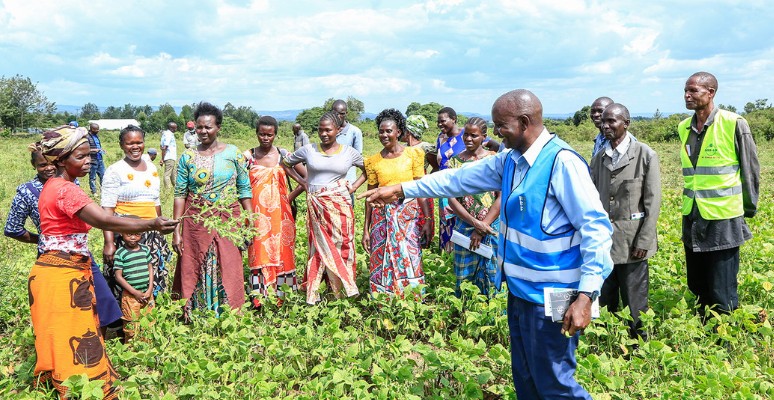
More than 12,400 farmers in Kenya have abandoned tobacco cultivation in favour of food crops under a programme backed by the World Health Organization (WHO) and government partners.
The Tobacco-Free Farms initiative, launched in Migori County in 2021, has transformed more than 11,500 acres of former tobacco farmland into fields producing beans, groundnuts and finger millet.
According to programme data, farmers have produced more than 3.8 million kilograms of food while some households have reported incomes rising by as much as three times.
Health and Economic Benefits
Health experts say the shift is helping farmers escape the health risks associated with tobacco cultivation.
WHO Kenya Acting Representative Dr Neema Kimambo said tobacco farming often leaves families trapped in a cycle of low returns, poor health and dependency.
“The Tobacco-Free Farms initiative provides farmers with a profitable and healthier alternative while improving livelihoods and food security,” she said.
The programme supports farmers with seeds, fertiliser, training, access to finance and guaranteed markets for their produce.
Growing Momentum Across Africa
The initiative is currently operating in Migori, Busia, Bungoma and Meru counties and is set to expand to Embu, Tharaka Nithi and Homa Bay.
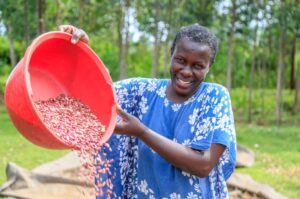
Research cited by programme partners shows bean farming can generate significantly higher profits per acre than tobacco while allowing farmers to harvest more frequently.
Supporters also point to wider benefits, including improved household nutrition, reduced child labour, greater opportunities for women and less environmental damage.
The programme has already been introduced in Uganda and Zambia, with Malawi expected to join soon, as governments and development agencies seek alternatives to tobacco production across Africa.
While tobacco farming has declined globally, cultivation continues to expand in parts of Africa, raising concerns about public health, environmental sustainability and food security.