
BY VICTORIA AMUNGA | 5484 MEDIA | NAIROBI
STORY HIGHLIGHTS
- Drones, AI and data analytics are reshaping conservation across Kenya’s vast wildlife areas.
- Youth-led tech hubs in Nairobi are training thousands in drone piloting and GIS, creating new green jobs.
- Kenya Wildlife Service says drone deployment has cut illegal incursions by up to 30% in monitored zones.
Kenya’s wildlife conservation – once defined by rangers trekking across sweeping savannahs – is undergoing a technological transformation that is drawing in a new generation of digital natives.
Across the country’s national parks and conservancies, drones now hum above acacia trees, thermal cameras scan the night for intruders, and artificial intelligence tools analyse migration routes in real time.
The shift reflects a broader global trend. From reef-monitoring drones off Australia’s Great Barrier Reef to camera traps in India’s tiger reserves, conservation is increasingly powered by code as much as by boots on the ground.
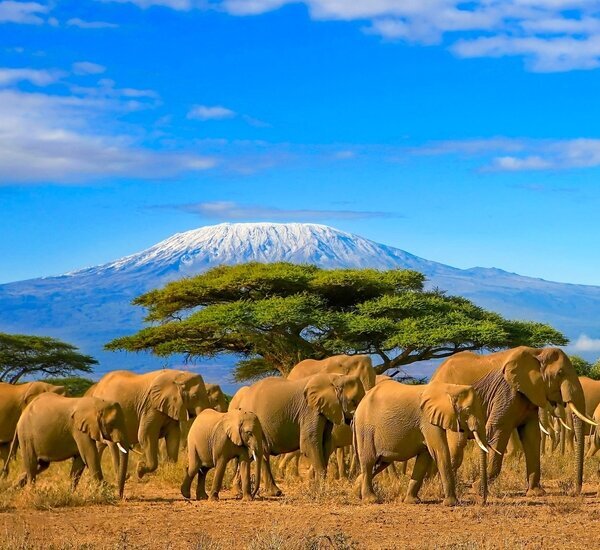
Kenya, home to some of the world’s most iconic species and where roughly 28% of land is designated for wildlife protection, has become a testing ground for this high-tech approach.
Protecting Elephants and Rhinos
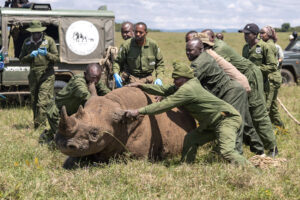
Africa has lost tens of thousands of elephants over the past decade due to poaching, driven largely by international demand for ivory and rhino horn. At the peak of the crisis, more than 30 elephants were being killed daily across the continent, according to conservation groups.

Kenya’s response has increasingly relied on technology. The Kenya Wildlife Service (KWS) says drones equipped with infrared cameras and real-time data transmission have reduced illegal incursions by up to 30% in areas where they are deployed.
The aircraft can patrol terrain that would take hours – or even days – for rangers to traverse on foot, particularly in vast ecosystems such as Tsavo, one of the largest protected areas in the world.
A Drone Pilot’s Mission
“I grew up loving tech,” says 28-year-old drone pilot Esther Shiundu, who flies surveillance missions over Tsavo National Park.
“Combining my skills with protecting elephants and rhinos feels exciting and deeply meaningful – it’s like gaming for the planet.”
Her team works alongside rangers, feeding live coordinates to ground patrols when suspicious movements are detected. Thermal imaging allows them to operate even at night, when poachers are most active.
For many young Kenyans, the appeal lies in merging purpose with profession. Conservation is no longer only about field biology; it is also about coding, mapping and data science.
Training the Next Generation
To meet growing demand, universities and innovation hubs in Nairobi are expanding programmes in drone piloting, geographic information systems (GIS) and environmental data analytics.
Tech community iHub, in partnership with Strathmore University, says it has helped train more than 5,000 young Kenyans in digital and geospatial skills since 2020.
Globally, the green technology market is projected to reach tens of billions of dollars in the coming years, according to United Nations estimates, as governments and organisations invest in climate and biodiversity protection.
Kenya’s conservation-tech ecosystem is positioning itself within that global shift, creating employment pathways in a country where youth unemployment remains a major challenge.
Tech Versus Sophisticated Crime
Speaking at the Global Conservation Tech-Drone Forum in Nairobi, KWS Director General Prof Erustus Kanga said integrating technology into everyday operations was no longer optional.

“The future of conservation is intelligent, integrated and collaborative,” he told delegates. “Technology must be embedded permanently into our institutions.”
Poaching networks have grown more organised and technologically savvy, often linked to transnational criminal syndicates. Conservationists argue that responding effectively requires equally advanced tools – from satellite tracking collars to AI-powered risk mapping.
A Blueprint for the World?
The urgency is global. Wildlife populations worldwide have declined by an average of 69% since 1970, according to the WWF Living Planet Report.
Experts say Kenya’s blend of ranger expertise, community engagement and technology-driven monitoring could offer a model for other countries balancing biodiversity protection with economic development.
Sensors now alert authorities instantly to fence breaches. Mobile apps enable nearby communities to report suspicious activity anonymously. Data dashboards help predict migration corridors and human-wildlife conflict hotspots.
For Kenya’s Gen Z conservationists, the mission is clear: protecting the planet is no longer only about passion – it is also about precision.
And in the skies above the savannah, the next frontier of wildlife protection is already taking flight.