By Staff Writer | 5484 Media | Nairobi, Kenya
Migori County, a lush, hilly region tucked against Kenya’s border with Tanzania and stretching toward the shores of Lake Victoria, is preparing to take center stage this December as it hosts the 5th Edition of the Piny Luo Cultural Festival—a grand celebration of one of East Africa’s most prominent communities: the Luo people.
For three days, from December 15 to 17, 2025, Migori will transform into a vibrant open-air museum of heritage, storytelling, sport, and cultural diplomacy. But this year’s festival carries a unique historical weight: it will be the first major Luo cultural gathering held without Raila Amolo Odinga, the towering political and cultural figure who has long been associated with Luo identity both in Kenya and abroad.
His absence sets the stage for a new kind of festival—one that explores what Luo identity means in the 21st century, beyond politics, beyond borders, and beyond personalities.
A REGION RICH IN CULTURE—And Complex History
Although Migori may be unfamiliar to many outside Kenya, the region is a cultural mosaic. It is home not only to the Luo people but also to Kuria, Luhya, Kisii, Somali, Suba, and Nubian communities, making it one of Kenya’s most diverse counties.
This diversity is exactly what gives Migori its unique appeal.
Blessed with archaeological wonders such as Thimlich Ohinga, a stone fortress recognized as a UNESCO World Heritage Site, serene lakeshore beaches, ancient caves, bustling mining zones, and rural landscapes, Migori blends heritage with adventure in ways few destinations can.
This year’s festival will be spread across multiple venues—including Rongo University (the main arena), Sony Stadium, Migori Teachers Training College, Senye Beach, and the historic Thimlich Ohinga.
Why This Festival Matters—and How It Began
The Piny Luo Festival is relatively young—the first edition took place only a few years ago in Kisumu. But its roots run deep.
Its founding idea is simple: to revive, celebrate, and institutionalize Luo culture at a time when globalization, modernization, and migration risk diluting traditional identity.
Previous editions have been held in Kisumu, Siaya, and Homabay—counties that form the cultural heartland of the Luo people.
This year, Migori’s turn signals recognition of the county’s growing influence as a cultural crossroads.
A Festival Evolving With Its People
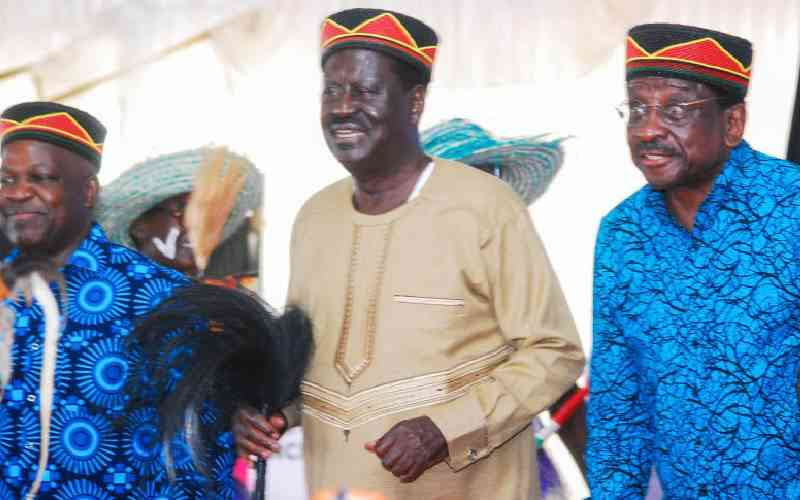
Migori County Secretary Oscar Olima says this year’s edition is intentionally broader, more inclusive, and outward-looking.
Migori will host a Cultural Extravaganza for non-Luo communities on December 10–11, a remarkable gesture of unity in a region often defined by ethnic boundaries. Communities such as the Kuria, Somali, Luhya, Kisii, and Suba will showcase their traditions, music, cuisine, and art forms.
“It’s a reflection of who Migori is,” Olima says. “A multicultural home where every community’s story matters.”
Prime Cabinet Secretary Musalia Mudavadi is expected to officiate the extravaganza, while President William Ruto will grace the closing ceremony of the main festival on December 17.
What to Expect: A Cultural Tapestry in Motion
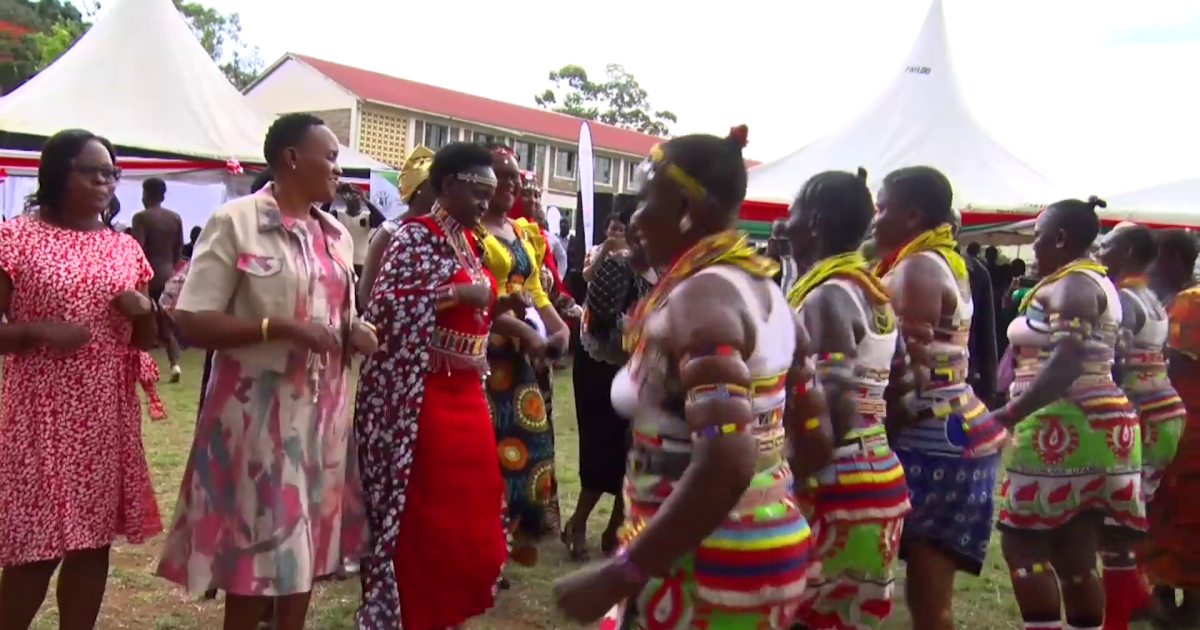
The festival promises a rich sensory journey through Luo life—past and present. Visitors will experience:
Cultural Showcases
- Traditional dances and choirs
- Heritage and art exhibitions
- Indigenous foods, fishing traditions, and herbal medicine displays
- Storytelling sessions exploring migration, kinship, and Identity
Sports & Traditional Games
- Boat races on Lake Victoria
- Wrestling, tug-of-war, water pot races
- Football, cycling, boxing, and inclusive sports
- Youth competitions and skills workshops
Tourism Adventures
- Guided excursions to:
- Thimlich Ohinga (UNESCO site)
- Senye Beach on Lake Victoria
- Mugabo Caves
- God Kwer hills
- Local mining sites
- Migingo Island’s fishing settlements
The events are expected to draw more than 6,000 attendees—including diaspora groups, academics, cultural researchers, tourists, and local delegations from across East Africa.
What Does Raila Odinga’s Absence Mean?
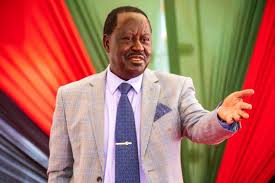
For decades, Raila Odinga has been more than a political leader—he has been a living cultural reference point for the Luo people. His melodies, idioms, and symbolism permeate Luo ceremonies, songs, and public expression.
His absence this year opens a significant conversation:
- Can Luo culture step into a new era where identity is not tied to politics?
- Can younger leaders and artists shape the next generation’s cultural imagination?
- Will this festival represent a cultural rebirth—beyond the shadows of history and heritage politics?
Many observers believe the 2025 edition may signal a “passing of the cultural baton” to a new era of Luo identity—one driven by art, academia, community pride, and global participation.
A Bigger Vision: Culture as Unity, Economy, and Diplomacy
Beyond dance and celebration, the festival aims to achieve measurable impact:
- Revive local tourism and hospitality
- Boost the county economy through artisan markets
- Promote youth education and cultural literacy
- Strengthen regional and diaspora ties
The festival’s theme—“Luo Unity in Diversity: Harmonizing and Institutionalizing Our Heritage”—captures a broader ambition: to anchor the community’s future firmly in its past while extending its story to the world.
A Cultural Moment With Global Resonance
For a world increasingly interested in African identity, migration history, traditional arts, and cultural resilience, the Piny Luo Festival offers a window into a living culture—one that continues to evolve across borders and generations.
And for Migori, this event is more than a festival.
It is a declaration of pride, a renewal of identity, and a message to the world: the Luo story is still being written—and it belongs on the global stage.