

BY EMANUEL KALAMIA | 5484 MEDIA | NAIROBI
STORY HIGHLIGHTS
- Digital dispatch: Kenya Airports Authority introduces an app-based taxi booking system at Jomo Kenyatta International Airport (JKIA), with real-time tracking and fare estimates.
- Regional first: Move places Nairobi among a small group of African hubs adopting integrated airport-controlled e-hailing systems.
- Tourism boost: Reform aims to ease congestion, improve safety and strengthen Kenya’s appeal to global travellers and the diaspora.
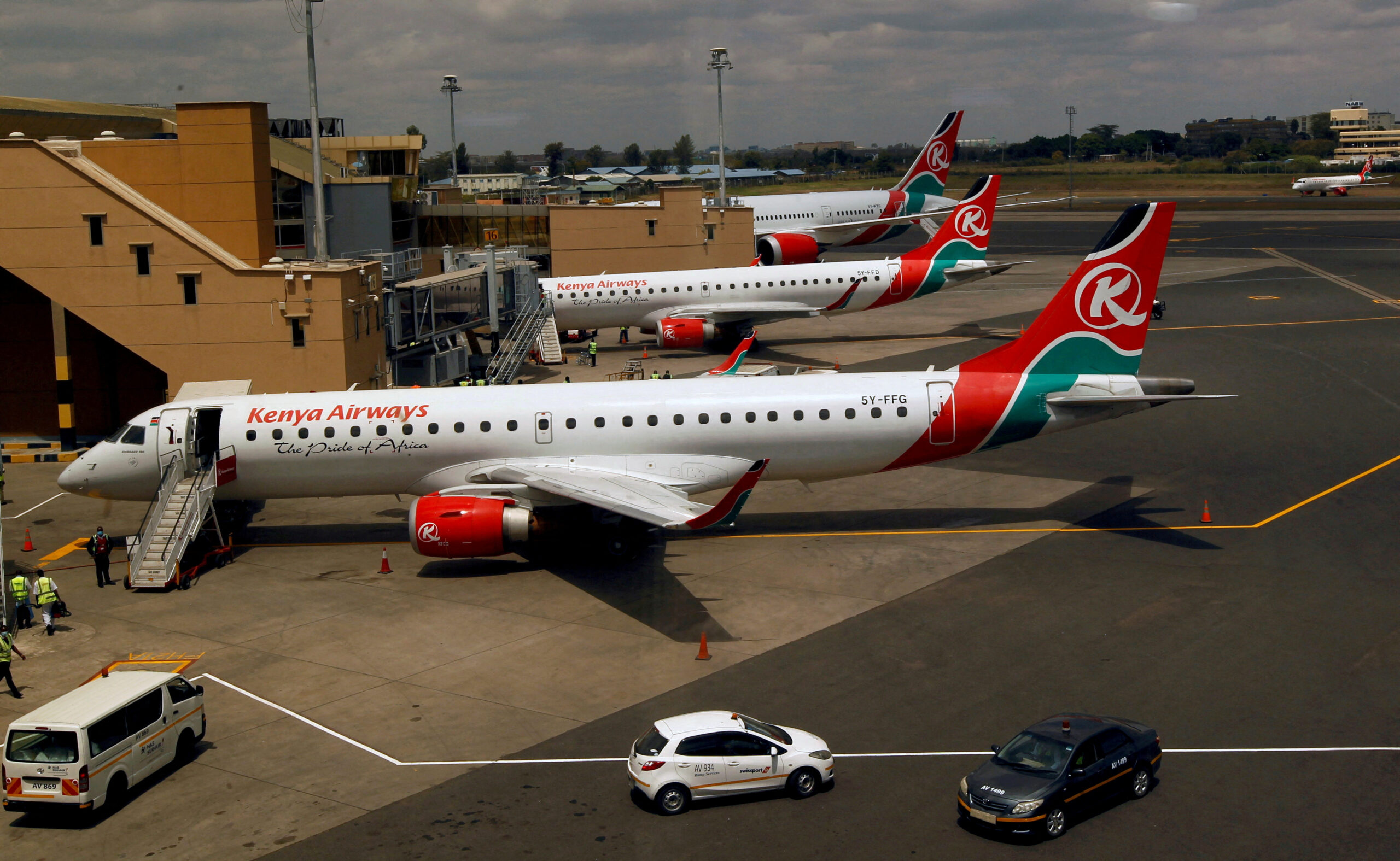
Kenya has launched a new app-based taxi dispatch system at Jomo Kenyatta International Airport, in a move designed to modernise ground transport and reduce long-standing congestion at arrivals.
The system, rolled out by the Kenya Airports Authority (KAA) through a public-private partnership, allows passengers to book approved airport taxis via a mobile app, online portal or self-service kiosks inside the terminal.
Travellers receive real-time fare estimates, GPS vehicle tracking and automated trip notifications. Only licensed yellow airport taxis are integrated into the platform.
The development marks a significant operational shift at JKIA, which handled approximately 6.8 million international passengers and 2.1 million domestic travellers in 2024 — reflecting a strong rebound in air travel following the pandemic.
Tackling Congestion and Informal Taxi Chaos
For years, arriving passengers at many African airports have faced aggressive touting, unclear pricing and traffic bottlenecks around pick-up zones.
KAA says the new platform uses GPS-based geofencing technology to restrict pick-ups to designated areas, preventing vehicles from clustering chaotically outside terminals. Automated queue management is expected to reduce waiting times and ease traffic flow.
Airport officials say the goal is not to eliminate global ride-hailing firms such as Uber and Bolt — both widely used in Nairobi — but to create a regulated, airport-managed alternative with predictable pricing and tighter oversight.
How JKIA Compares Across Africa
JKIA is widely regarded as East Africa’s busiest aviation hub and one of the continent’s leading gateways. In overall passenger traffic, it ranks behind larger North and Southern African hubs such as:
- Cairo International Airport
- R. Tambo International Airport
While many major African airports provide designated ride-hailing zones, few operate a fully integrated, airport-controlled digital dispatch platform limited to approved taxis.

At Nigeria’s Murtala Muhammed International Airport, informal operators have historically posed challenges for arriving passengers. In Ethiopia, Addis Ababa Bole International Airport relies largely on taxi ranks and external ride-hailing apps rather than a unified airport-managed system.
Industry analysts say Nairobi’s approach represents one of the more structured digital taxi integrations on the continent.
Matching Global Airport Trends
Globally, major airports have increasingly digitised ground transport as part of broader “smart airport” strategies.
At Singapore Changi Airport, app-driven taxi and ride-hailing systems are seamlessly integrated into terminal operations. Meanwhile, Dubai International Airport — one of the world’s busiest for international travel — operates structured e-hailing zones with heavy digital coordination.
In the United States, airports such as John F. Kennedy International Airport provide designated ride-share pick-up areas, although surge pricing during peak hours remains a concern for travellers.
Kenya’s model differs in that fare estimates are standardised within the airport’s dispatch framework, potentially reducing price volatility during high-traffic periods.
Why It Matters for Tourism and the Diaspora
Tourism remains a key pillar of Kenya’s economy, contributing roughly 10% of GDP and generating an estimated $2.5 billion in earnings in 2024.
For international visitors — including members of Kenya’s global diaspora returning home — airport arrival is often the first impression of a country’s efficiency and safety.

Travel industry surveys consistently show that ground transport reliability is among the top concerns for first-time visitors. Long queues, unclear fares or safety fears can shape perceptions long before travellers reach safari lodges in the Maasai Mara or beach resorts along the Indian Ocean coast.
With more than seven million international passengers annually passing through JKIA, smoother onward travel could enhance Kenya’s competitiveness as it seeks to attract up to 10 million visitors by 2027 under its tourism expansion plans.
For diaspora travellers arriving from Europe, North America and the Middle East, real-time tracking and trip notifications may also offer reassurance to relatives monitoring journeys from abroad.
Revenue and Digital Expansion
Beyond passenger convenience, the system opens an additional revenue stream for KAA through dispatch and platform management fees.
Airports worldwide are increasingly diversifying income beyond landing charges and passenger service fees. Digital services — including parking reservations, lounge bookings and pre-order retail platforms — have become central to airport business models.
KAA has indicated that the taxi platform forms part of a broader digital transformation strategy at JKIA, aimed at improving passenger satisfaction and operational efficiency.
A Signal of Ambition
Kenya has positioned itself in recent years as a regional technology hub, with Nairobi often dubbed “Silicon Savannah”. Extending digital innovation to airport operations aligns with that wider narrative.
While the long-term success of the taxi system will depend on implementation, enforcement and user adoption, aviation analysts say the move signals an effort to align East Africa’s primary aviation gateway with global best practice.
For millions of travellers — from safari tourists to returning members of the diaspora — the reform aims to ensure that their journey into Kenya begins not with confusion, but with a tap on a screen.