BY WISDOM OUMA | 5494 MEDIA | KENYA
STORY HIGHLIGHTS
- All 47 counties now have advanced referral hospitals as Kenya deepens health devolution
- AI-powered system rejects $95m in suspicious claims, signalling tougher anti-fraud controls
- Flexible payment plan targets informal workers, a group often excluded from insurance globally
Kenya’s government says it is accelerating reforms aimed at delivering universal health coverage (UHC), outlining new digital safeguards, financing models and county-level investments designed to expand access and curb fraud.
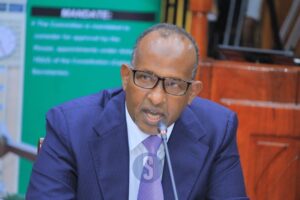
Speaking at a Senate planning retreat, Health Cabinet Secretary Aden Duale said the country’s health transformation is anchored in constitutional devolution and a suite of new laws intended to reshape financing and service delivery.
The reforms come as governments worldwide grapple with how to provide affordable healthcare amid rising costs, ageing populations and widening inequality — from funding pressures within the UK’s National Health Service (NHS) to expansion efforts under Thailand’s near-universal insurance scheme.
Devolution at the Centre of Reform
Kenya’s 2010 constitution transferred health service delivery to county governments, a move officials say has reduced geographical disparities in access.

Mr Duale told senators that all 47 counties now operate Level 4 and Level 5 hospitals — facilities capable of offering specialised care that was previously concentrated in major cities.
Supporters argue this decentralisation mirrors reforms seen in countries such as Rwanda, where community-based insurance and district-level facilities have expanded coverage significantly over the past two decades.
Critics, however, have previously warned that devolution also requires strong oversight to prevent uneven standards and misuse of funds.
Four Laws Reshape the Legal Framework
The Health Cabinet Secretary said the reform agenda is guided by four key statutes:
- The Social Health Insurance Act
- The Digital Health Act
- The Primary Health Care Act
- The Facility Improvement Financing Act
Together, the laws aim to redefine how services are funded, digitised and delivered.
The Social Health Authority (SHA), established under the new framework, has registered millions of members, according to the ministry, and begun disbursing funds to accredited providers.
Mr Duale addressed public debate over KES 12.7 billion (around $95 million) in claims flagged within the system, stating that the payments were rejected through strengthened verification processes.
Governments in countries including Ghana and the United Kingdom have similarly invested in data-driven fraud detection systems to reduce losses in public insurance schemes.
Free Primary Care and Flexible Contributions
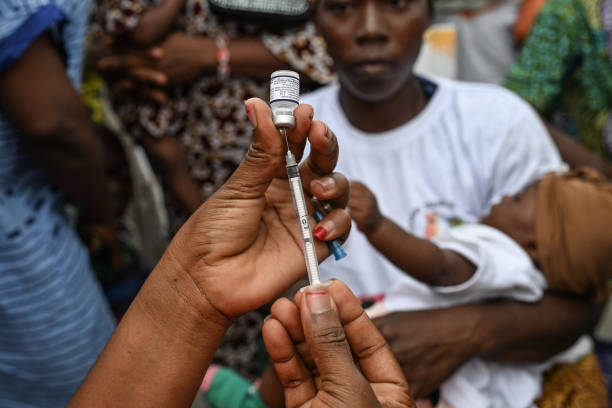
The ministry says primary healthcare services at Level 2 and 3 facilities are being provided free of charge, in an effort to lower out-of-pocket spending — a major barrier to access in many low- and middle-income countries.

A flexible contribution model, branded “Lipa SHA Pole Pole”, allows informal sector workers to pay gradually into the national scheme.
Informal workers account for a significant share of Kenya’s workforce — a challenge also faced in countries such as India and Nigeria, where extending insurance beyond salaried employment has proven complex.
Thailand’s voluntary contribution mechanisms in the early 2000s are often cited by health economists as a model for successfully broadening coverage.
AI and Digital Integration
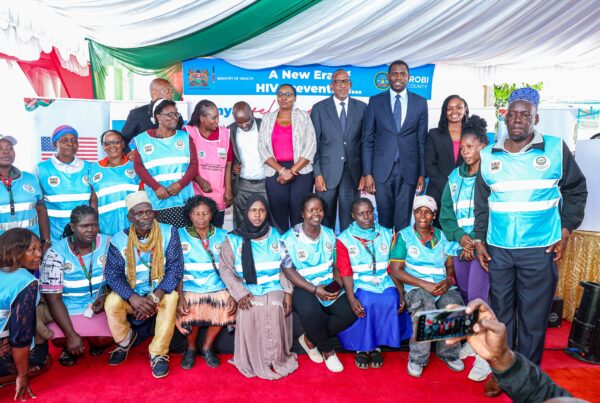
Thousands of facilities have been connected to a national digital platform known as TaifaCare, which includes an artificial intelligence-powered claims verification system.
Officials say the technology detects irregular billing patterns in real time, blocking suspicious submissions before payments are made.
Digital oversight tools have become increasingly common in health systems globally, with data analytics deployed in countries ranging from Estonia to the United Kingdom to improve efficiency and accountability.
Kenya has also formalised and digitised more than 100,000 community health promoters, integrating them into the broader system to strengthen grassroots service delivery — a model comparable to India’s Accredited Social Health Activist (ASHA) programme.
Diaspora Impact and Funding Questions
For millions of Kenyans living abroad — whose remittances contribute billions of dollars annually to the economy — healthcare costs at home remain a key concern.
Officials argue that expanded insurance coverage and fraud controls could reduce the financial burden on families who often rely on overseas relatives to fund emergency treatment.
However, analysts note that sustained funding and effective county-level implementation will be crucial if Kenya is to meet the United Nations’ Sustainable Development Goal 3: ensuring healthy lives and promoting well-being for all.
Mr Duale called for continued legislative and budgetary support to consolidate gains made so far, saying the reforms are built on principles of transparency, sustainability and equitable access.
Whether Kenya’s approach becomes a model for other developing nations pursuing universal healthcare may depend on how effectively those principles translate into measurable outcomes in the years ahead.