BY WISDOM OUMA |5484 MEDIA | NAIROBI
STORY HIGHLIGHTS
- Every passport on Earth is either red, blue, green or black — and the choice is no accident
- Colour signals identity, culture, and diplomatic alliances, even without global rules
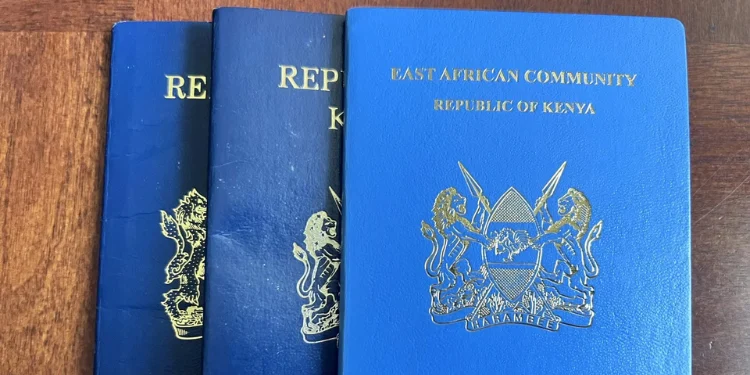
- Kenya’s shift to light blue aligns with the wider East African Community identity
- A Global Document with Only Four Looks
Look around the world’s airports and you’ll notice a pattern — millions of travellers carrying passports that look strikingly similar. Despite humanity’s range of flags, cultures and histories, national passports are limited to just four core shades: red, blue, green and black.
The consistency is surprising considering there is no global rulebook deciding what colour a country should adopt. Unlike the infamous 1884 Berlin Conference, which carved Africa into 54 nations, there has never been a global convention determining passport appearance.
Yet the world converged on these four colours — and experts say the reasons are both practical and symbolic.
Why Only Four Colours Dominate
Governments favour deep, dark, solid shades for two main reasons:
1. Professionalism and Authority
Passports are often treated as symbols of statehood. Muted colours project seriousness and credibility — the same logic behind black judge robes or navy police uniforms.
2. Durability
A passport survives years of travel abuse. Darker covers disguise dirt, scratches and frayed edges far better than pale colours. Officials need a document that remains presentable after years of stamp marks and international borders.
3. Recognition and Printing Ease
Diplomats and border officers make split-second decisions. Standardised colouring helps passports remain instantly recognisable and compatible with global printing and security systems.
Is There a Law Governing Passport Colour?
Despite the uniformity, no international authority mandates colour — not the UN, not regional blocs, not any treaty.
The International Civil Aviation Organization (ICAO) regulates how a passport works, not what it looks like. ICAO standards cover:
- font and security design
- machine-readable pages
- size and durability
- ability to withstand humidity, heat and bending
- Colour remains entirely national preference.
What the Colours Say About a Nation
Different shades carry subtle messaging — sometimes historical, sometimes cultural, sometimes political.
🟥 Red — Identity, Tradition and Unity
Red is the world’s most common passport colour.
Used across:
- The European Union (burgundy)
- China and Russia
- Several Latin American states
- The shade is linked to ideology (revolutionary history), shared political unions, and cultural pride.
🟦 Blue — Modern, Open and Global
Blue dominates in:
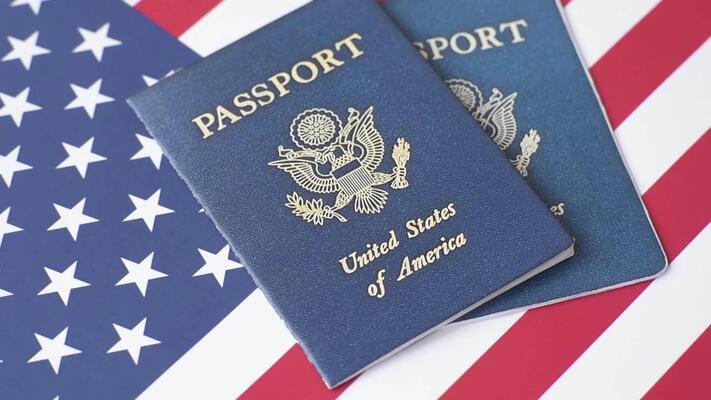
- The Americas
- The Caribbean
- Oceania
- It evokes openness and connection to the sea — a symbolic nod to global trade and freedom of movement.
- Kenya’s newly adopted light-blue ordinary passport, shared across the East African Community, signals regional belonging and integration.
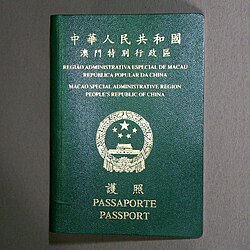
🟩 Green — Faith, Culture and Heritage
- Green is particularly visible in:
- Islamic-majority nations
- West and North Africa
- Parts of the Middle East
- It carries religious and cultural meaning, often tied to prosperity, renewal and identity.
⬛ Black — Prestige, Uniqueness and Durability
- The rarest choice, carried by:
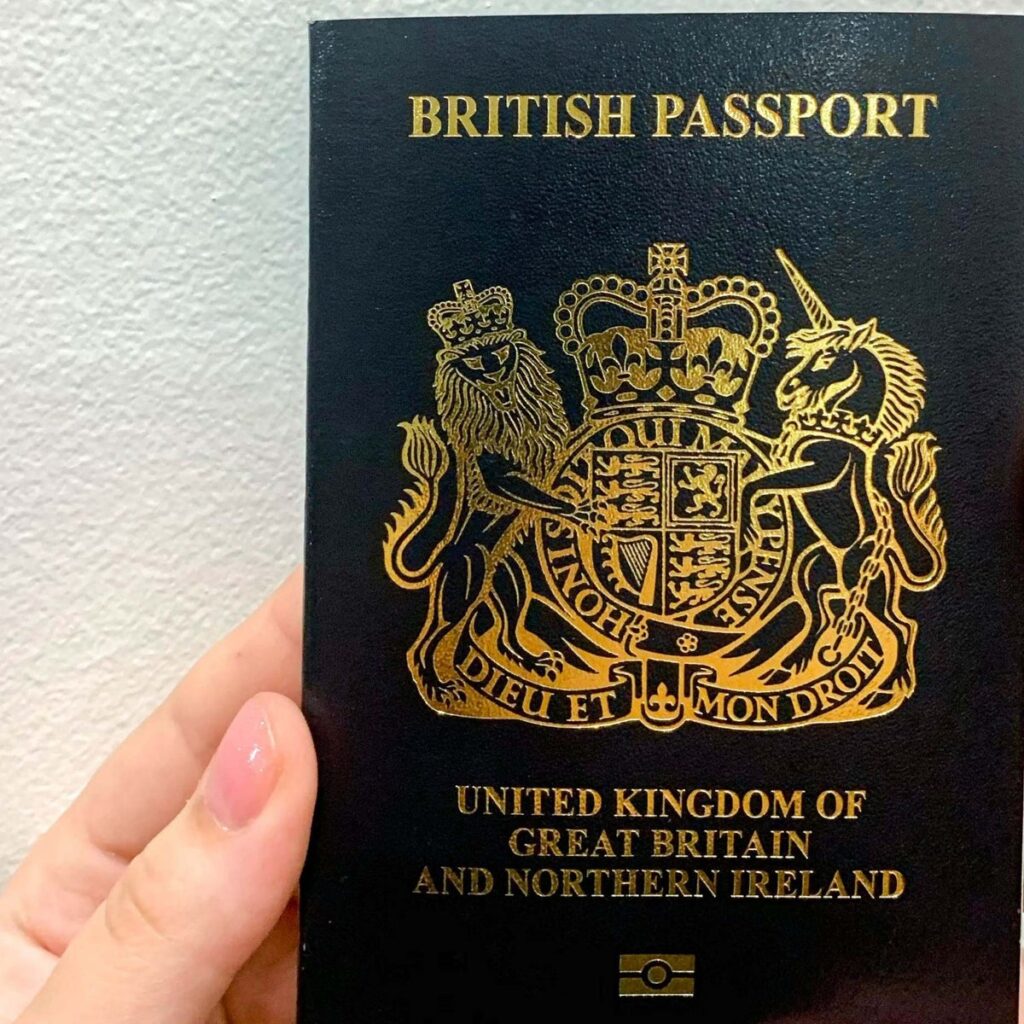
- New Zealand (reflecting national sports identity)
- Several African nations
- Black offers a formal, distinctive look — and is the most resistant to travel wear.
More Than a Travel Document
A passport is, at its core, proof of identity and nationality — essential for crossing borders, securing entry rights overseas and receiving consular assistance.
In Kenya, passport applications are processed online via eCitizen, followed by biometric capture and physical document issuance. Citizens can apply for a 10-year validity travel document.
But beyond bureaucracy, the cover itself is a quiet storyteller — signalling history, geography and national aspiration in a single, colour-coded glance.
Does Passport Colour Really Matter?
Not for travel — border control won’t treat a blue passport differently from a red one.
But symbolically? Absolutely.
Colour reflects:
- membership in regional blocs
- political heritage
- religious identity
- cultural branding
- diplomatic alignment
In a world where flags fly high and borders define belonging, passport colours whisper the stories nations choose to tell.