BY BUSINESS WRITER | 5484 MEDIA |
STORY HIGHLIGHTS
- Nissan sells its Rosslyn plant near Pretoria to China’s Chery after decades of production, shifting to imports amid global losses and low output.
- Chery pledges to retain 900 jobs on similar terms, ensuring continuity for workers and suppliers in South Africa’s vital auto sector.
- The deal signals China’s deepening grip on African manufacturing, raising questions about job security, tech transfer and economic sovereignty across the continent.
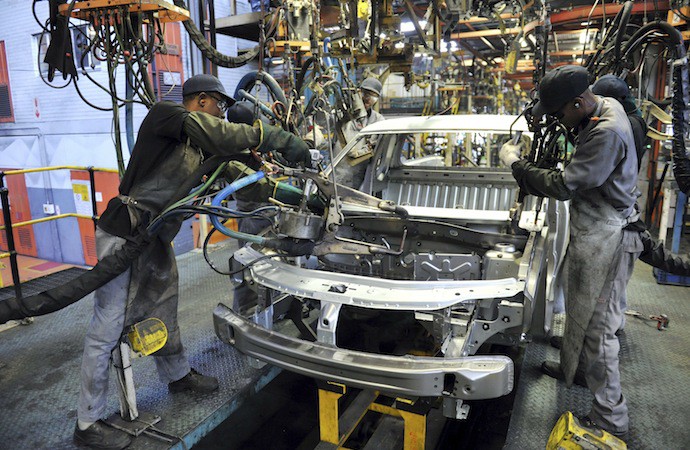
Nissan is pulling out of vehicle manufacturing in South Africa after nearly 60 years, handing its Rosslyn assembly plant outside Pretoria to China’s fast-rising Chery Automobile.
The Japanese giant announced the sale on Friday, ending local production of the Navarra pickup by May and switching to imports from Thailand.
This caps a turbulent era for the plant, Nissan’s last in Africa, as the firm battles global woes including a $4.5 billion net loss last year.
The move fits Nissan’s worldwide overhaul, shuttering or merging seven of its 17 plants to cut costs.
In South Africa, output has plummeted—from over 54,000 vehicles in 2012 to just 17,000 last year after halting the popular NP200 bakkie.
Geopolitical strains, like Europe’s turmoil, dashed hopes of a new model to revive the site, leaving it unviable.
For the 900 workers facing uncertainty, relief comes via Chery’s commitment to hire them on “substantially similar terms.”
The Chinese firm, already selling thousands of cars monthly in South Africa, will take over the plant, land and a nearby stamping facility by mid-2026—pending approvals.
Nissan vows to stay in the market, pushing imports and new models like the Tekton and Patrol from 2026.
Why Now? Reasons Behind the Shift
Nissan’s exit stems from multiple pressures: chronic underutilisation, with the plant running far below capacity; rising global costs; and external shocks like trade wars under former US President Trump.
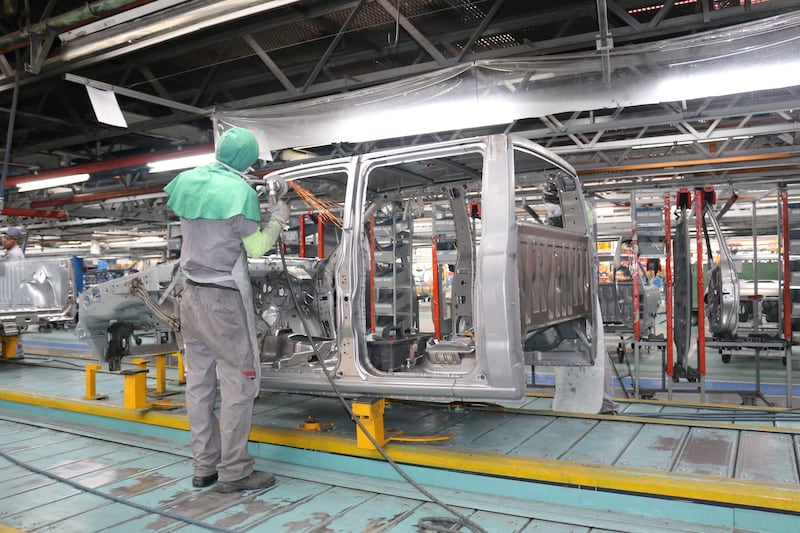
South Africa’s auto sector, a key export earner, has struggled with logistics woes, energy crises and slowing demand.
Chery, buoyed by China’s export boom, eyes the facility to ramp up local assembly—potentially dodging import tariffs and tailoring vehicles for African roads.
What Does This Mean for the Continent?
This handover is a stark pivot for Africa’s car industry. South Africa’s plants employ tens of thousands and anchor regional supply chains; Nissan’s departure could ripple to suppliers in neighbouring countries like Botswana and Zimbabwe.
Yet Chery’s entry promises continuity, injecting fresh investment into a sector reeling from Japanese and European pullbacks. For Africa, it underscores a scramble for manufacturing dominance—could this boost jobs and skills transfer, or lock the continent into Chinese supply chains?
Similar Moves Across Africa and Beyond
Africa has seen echoes: In 2023, China’s BYD scouted factories in Egypt and Morocco for electric vehicles, while Great Wall Motors took over a Ford plant in Nigeria.
Beyond, Thailand absorbed Nissan’s output here, and India’s Tata bought Jaguar Land Rover from Ford in 2008 amid similar woes.
No full Chery takeover like this yet, but Beijing’s firms are circling—Stellantis idled its Algerian plant last year, opening doors for Chinese rivals.
China’s Growing Shadow in Africa
The deal spotlights China’s muscular influence. As Western firms retreat—Toyota scaled back in Kenya, VW mulled exits—Chinese brands now claim 10-20% market share in South Africa and beyond.
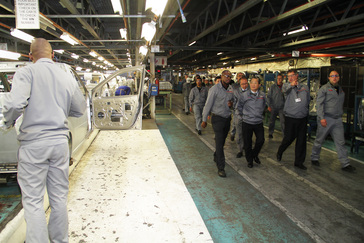
It’s part of the Belt and Road playbook: factories for market access, jobs for goodwill, tech for dependency. Critics warn of debt traps and IP grabs; fans hail affordable cars fuelling Africa’s mobility boom.
Potential Impacts
Short-term, jobs hold steady, but imports may hike Navara prices, hitting farmers and fleets.
Long-term, Chery could retool for SUVs or EVs suited to potholed African highways, spurring exports to the AfCFTA bloc.
Risks include over-reliance on China amid US-China tensions, plus quality doubts—though Chery’s global sales surged 60% last year.
For nations like Kenya or Nigeria eyeing auto hubs, this is a blueprint: partner wisely or risk becoming a showroom, not a maker.