BY BUSINESS REPORTER | 5484 MEDIA | NAIROBI, KENYA
- Uganda’s Oil Leap Forward: UNOC partners with Dubai’s Alpha MBM on a $4bn refinery (60,000 bpd capacity by 2029-2030) and eyes first crude exports via 79% complete EACOP pipeline to Tanzania by October 2026, cutting reliance on Kenyan imports.
- Kenya Pipeline Stays Defiant: KPC MD Joe Sang dismisses threats, noting 90% of its exports go to Uganda but global markets and 15-year refinery timelines ensure business continuity amid its Sh106bn IPO.
- Mombasa Port Unaffected Short-Term: EACOP bypasses Kenya for crude, preserving refined product flows; past disputes showed resilience with cargo growth, as Uganda still imports via Kipevu.
Uganda edges closer to oil independence through a $4 billion refinery partnership and first crude exports via Tanzania by late 2026, developments that could reshape East African energy flows.
Kenya Pipeline Company (KPC), which pipes 90% of its refined products to Uganda, dismisses immediate threats from these moves.
Refinery Deal Takes Shape
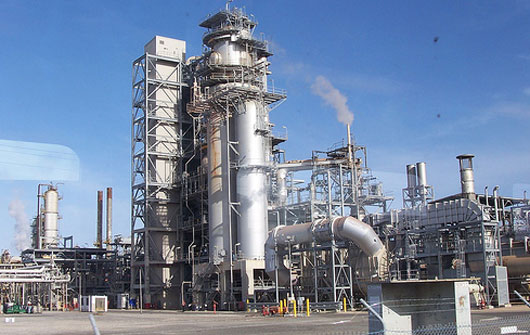
The Uganda National Oil Company (UNOC) secured a landmark agreement with Dubai-based Alpha MBM Investments LLC for a 60,000 barrels-per-day refinery in the Albertine Graben.
UNOC holds 40% equity, with Alpha MBM controlling the rest; operations target 2029-2030, slashing Uganda’s $2 billion annual import bill mostly routed via Kenya.
Progress accelerates toward a Final Investment Decision by July 2026, after over a decade of delays.
The project promises jobs, petrochemical spin-offs, and positions Uganda as a regional fuel hub, though experts note reliance on pipelines and roads for viability.
Crude Exports Bypass Kenya
Construction on the 1,443-km East African Crude Oil Pipeline (EACOP) to Tanzania’s Tanga port hits 79% completion, with first exports set for October 2026 following technical readiness by July 31.
Capacity reaches 246,000 barrels daily, unlocking Uganda’s Lake Albert reserves for global markets.
Ministers Ruth Nankabirwa and Deogratius Ndejembi confirmed timelines at a January 5 Dar es Salaam meeting.
Solar power will cover 80% of operations, addressing environmental concerns amid past financing hurdles.
Limited Ripple for Kenyan Business
Kenya Pipeline Managing Director Joe Sang insists the refinery poses no short-term risk, predicting 15 years before full impact due to scale and global market dynamics.
KPC, exporting 2.5 billion litres yearly to Uganda, eyes continued imports and integrated world oil competition.
The Eldoret-Kampala-Kigali pipeline extension faces longer-term pressure, but KPC’s IPO proceeds – offering 65% shares at Sh9 each – fund expansions.
Analysts see Uganda prioritizing local refining post-exports, yet regional demand may sustain Kenyan transit for years.
Mombasa Port Faces Crude Shift
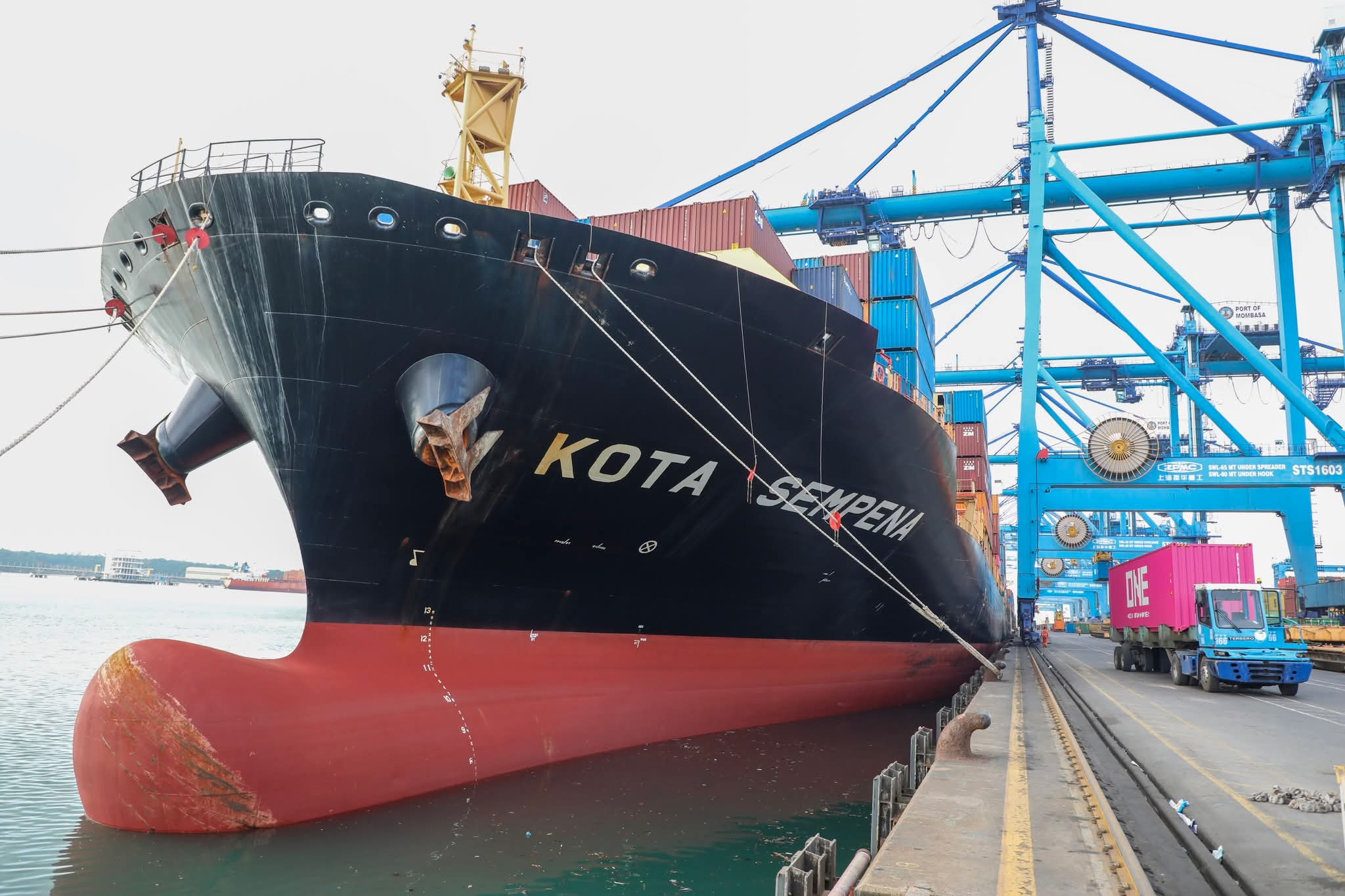
EACOP routes crude exports through Tanzania, not affecting Mombasa’s refined imports handling at Kipevu Oil Terminal 2.
Past Kenya-Uganda fuel disputes cut Mombasa transit by 200,000 tonnes, but diversification to Tanzania and South Sudan buoyed 11.9% cargo growth.
Refinery delays mean refined product flows via Mombasa persist near-term; UNOC still uses Kenyan routes for some imports.
Port upgrades, including new gantries, position Mombasa to capture residual business.
Stakeholder Reactions
Joe Sang, during a briefing at s KPC’s IPO emphasized resilience: “Uganda refinery is not a threat.
Meanwhile, in Uganda, Minister Ruth Nankabirwa says the refinery will bring with it jobs and expertise, which will benefit the country and by extension the region.
Social media buzzes with Ugandan optimism on surpassing Kenya economically, while Kenyan voices flag pipeline risks.
Experts warn Uganda’s 60,000 bpd output falls short of East African needs, preserving import reliance.
KPC engages Ugandan marketers to bolster ties.