
By BUSINESS WRITER | 5484 MEDIA | NAIROBI
STORY HIGHLIGHTS
- Côte d’Ivoire emerges as Africa’s top performer in financial literacy with 71%, far ahead of regional peers.
- Tanzania sets one of the continent’s most ambitious literacy goals—80% by 2030—to address deep gaps in financial knowledge.
Africa’s Financial Literacy Moment: A Continent at a Crossroads
Financial literacy has become one of the most critical—yet uneven—drivers of economic stability across Africa. While digital finance, fintech innovation, and mobile‑money ecosystems expand rapidly, financial understanding among citizens has not kept pace. Surveys show that over 40% of Tanzanians, for example, lack even basic financial‑management skills despite the fast digitisation of money.
Wider continental data paints an even sharper picture: financial‑literacy rates across Africa often fall below 40%, with some countries sitting below 20%. Yet there are exceptional performers pointing to what is possible with sustained investment in financial education. The disparities reveal a continent grappling with systemic capacity gaps, and at the same time, unprecedented opportunities.
What Financial Literacy Really Means—and Why It Matters
Tanzanian authorities define financial literacy as the practical ability to manage personal and household finances—budgeting, borrowing, insurance, credit use, investments, taxation, and financial planning.
But beyond definitions, financial literacy has real‑life consequences:
1. Personal Stability and Protection:financially literate citizen is better equipped to avoid predatory loans, understand interest rates, manage emergencies, plan for education expenses, and make informed investment decisions. This protects households from falling into cycles of debt and poverty.
2. National Economic Health: Countries with higher literacy rates experience stronger participation in the formal economy—higher tax compliance, better savings culture, more resilient SMEs, and more stable credit markets. Tanzanian officials argue that financial literacy is indispensable for “meaningful socio-economic development on a sustainable basis.”
The Continental Leader: Côte d’Ivoire’s Surprising Rise
According to global comparative data, Côte d’Ivoire leads Africa with a 71% financial‑literacy rate, outperforming wealthier and more developed economies.
This remarkable success reflects:
- Rapid deployment of community‑based financial education
- Strong microfinance integration
- Private‑sector and NGO partnerships expanding grassroots training
- Early adoption of digital financial tools and mobile‑banking platforms
Côte d’Ivoire’s experience shows that literacy gains are possible even in lower‑middle‑income contexts when policy, civil society, and fintech ecosystems align.
East Africa’s Standings: Kenya Leads, Tanzania Mobilises
Kenya: Regional Pace‑Setter (38%)
Kenya currently leads East Africa with a 38% financial‑literacy rate, driven by its pioneering mobile‑money infrastructure, especially M‑Pesa.
Kenya’s fintech ecosystem has created unavoidable interaction with digital financial tools—forcing citizens to learn, adapt, and engage with banking services more frequently than in neighbouring nations.
Tanzania: The Continent’s Most Ambitious Plan
This push is driven by the reality that over 40% of Tanzanians remain financially illiterate, limiting economic participation at both household and national levels.
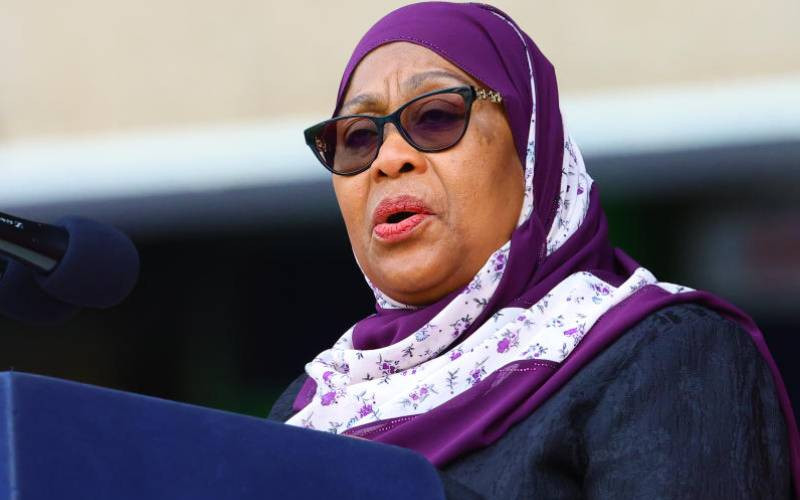
Tanzania has launched one of Africa’s most aggressive national strategies, aiming to raise financial‑literacy levels to 80% by 2030.
The country’s renewed focus signals a broader regional awakening: financial literacy is no longer just a development theme—it is a national‑security‑level economic priority.
Why Africa’s Youth Cannot Be Left Behind
Africa’s youth population—now the world’s fastest‑growing—stands to benefit the most from widespread financial education. The digitally connected generation faces unique risks: online fraud, digital loans, crypto‑scams, and unstable income environments.
Financial literacy helps young Africans:
- Build saving and budgeting habits early
- Engage responsibly in digital‑finance ecosystems
- Avoid high‑interest loan traps
- Increase employability in finance‑driven economies
- Access entrepreneurship opportunities with better financial planning
With unemployment levels stubbornly high, financial literacy acts as a buffer, giving youth stronger economic agency.
The Diaspora: A Powerful—but Underutilised—Financial Force
Africa’s diaspora sends home more than US$95 billion annually—more than foreign aid and nearly rivaling foreign direct investment in many countries. Financial literacy helps diaspora families:
- Make better remittance decisions
- Reduce transaction costs
- Invest strategically in home‑country SMEs and real estate
- Participate in diaspora bonds and other national capital‑raising tools
When diaspora communities become financially literate, remittances shift from consumption to investment, amplifying their impact on development.
A Defining Decade for Africa’s Financial Future
Africa stands at a pivotal moment. As digital economies expand, the cost of financial illiteracy grows more severe—but so does the opportunity to close long-standing gaps.
Côte d’Ivoire’s surge, Kenya’s fintech-led momentum, and Tanzania’s sweeping national reforms highlight what is possible when policy, technology, and public awareness intersect.
Financial literacy is no longer optional—it is a prerequisite for economic resilience, youth empowerment, and long-term national prosperity.