BY ODHIAMBO JOSEPH | 5484 MEDIA | NAIROBI
STORY HIGHLIGHTS
- The US has indefinitely paused immigrant visa processing for applicants from 75 countries
- Several African nations are on the list, including Nigeria, Ghana, Ethiopia, Tanzania and Uganda
- The ban affects people seeking permanent residence, not tourists or short-term visitors
- Kenya is notably absent from the list, raising questions about diplomatic and economic factors
- Analysts warn the move could reshape Africa–US migration, remittances and people-to-people ties
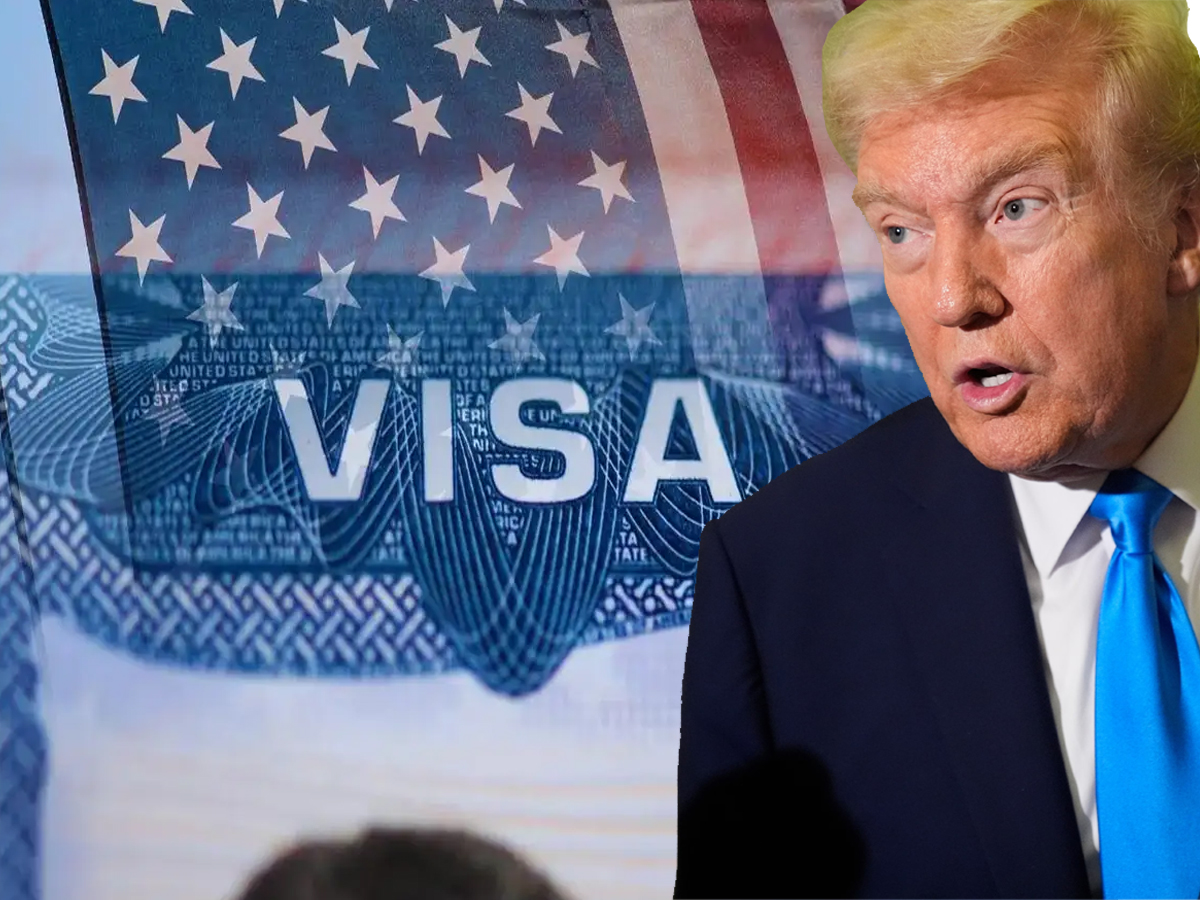
The Trump administration has announced an indefinite suspension of immigrant visa processing for nationals of 75 countries, marking one of the most far-reaching restrictions on legal migration to the United States in decades.
The measure, set to take effect on 21 January, was confirmed by the US State Department, which said the pause would allow Washington to reassess its immigration vetting procedures.
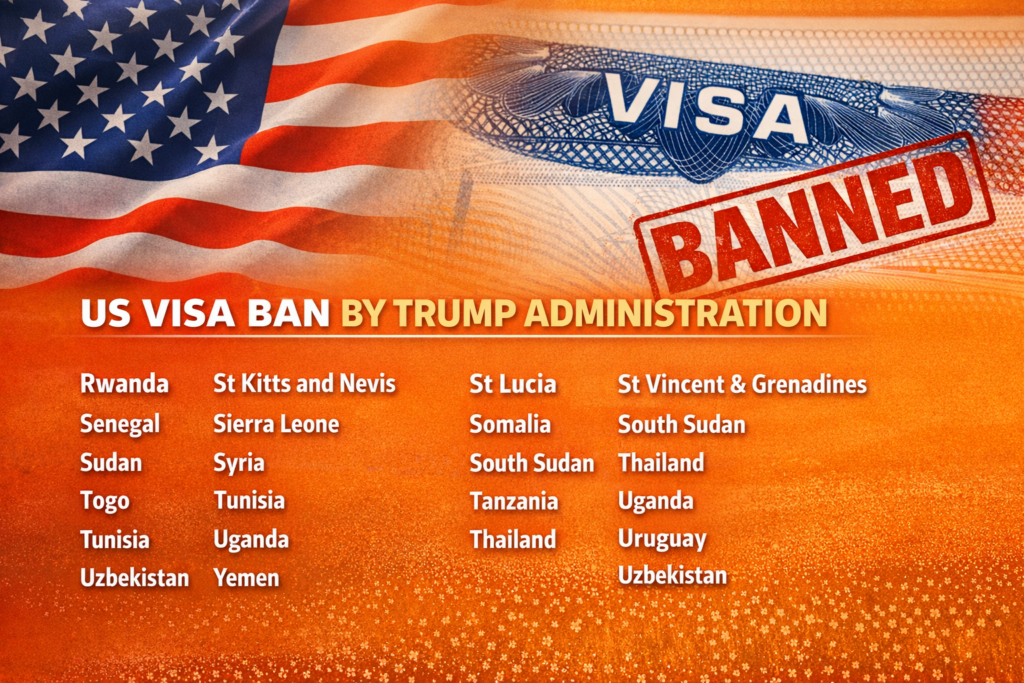
Officials argue the move is intended to prevent the entry of migrants deemed likely to become a “public charge” — a term used to describe individuals who may rely on US welfare and public benefits.
The suspension applies only to immigrant visas, which grant permanent residence. Tourist, business, and other short-term non-immigrant visas are not affected.
Why is Washington taking this step now?
The visa freeze fits squarely within President Donald Trump’s renewed push to tighten both legal and illegal immigration since returning to office.
The administration has repeatedly linked immigration to:
- Pressure on public resources
- National security concerns
- Slower integration of newcomers into American society
Recent security incidents — including a deadly shooting involving an Afghan national in Washington, DC — have further hardened the administration’s stance, leading to expanded travel bans and stricter screening.
US officials insist the pause is administrative, not permanent. But critics argue it reflects an ideological effort to drastically reduce migration from the Global South.
How is Africa affected by the ban?
Africa is among the regions most heavily impacted.
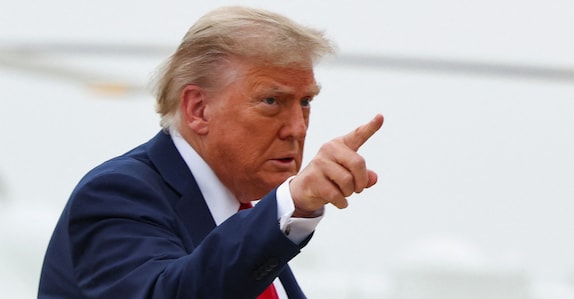
More than 20 African countries are on the list, including Nigeria, Ghana, Ethiopia, Tanzania, Uganda, Senegal, Rwanda, Somalia and the Democratic Republic of the Congo.
For many African families, immigrant visas represent:
- Family reunification
- Employment and education opportunities
- A pathway to financial stability through remittances
With processing halted, thousands of approved or pending applications are now frozen, leaving families separated and futures uncertain.
Remittances from the US — a major source of income for households across Africa — could also be affected if long-term migration slows.
Why is Kenya not on the list?
Kenya’s absence from the list has drawn particular attention across East Africa.
Analysts point to several possible factors:
- Kenya’s long-standing security cooperation with the US
- Relatively strong immigration vetting and documentation systems
- Strategic diplomatic ties, including Kenya’s role in regional stability
While not officially stated, Kenya is often viewed by Washington as a key partner in counterterrorism and regional diplomacy — a status that may have helped shield it from the suspension.
However, experts caution that exclusion from the list does not guarantee immunity from future policy shifts.
What does this mean for Africa–US relations?
The visa pause risks deepening perceptions across Africa that US immigration policy is increasingly selective and exclusionary.
For young Africans — many of whom view migration as a route to education, innovation and global exposure — the move may reinforce a sense of shrinking opportunity.
Diplomatically, African governments may face pressure to:
- Strengthen local economic opportunities
- Diversify migration partnerships beyond the US
- Reassess people-to-people engagement with Washington
For the African diaspora, the freeze complicates family reunification and long-term settlement plans, while raising fears that immigration policy is becoming more politicised and unpredictable.
What happens next?
The US government has not provided a timeline for lifting the suspension.
Immigrant visa applications may still be submitted, but no approvals or issuances will be made while the pause remains in place. Dual nationals using passports from non-listed countries may qualify for exemptions.
As the US heads toward hosting major global events, including the FIFA World Cup, questions remain about how these restrictions align with America’s image as an open destination.
For now, millions across Africa and the diaspora are left waiting — watching closely to see whether this pause becomes a policy fixture or a temporary political moment.