BY ODHIAMBO JOSEPH | 5484 MEDIA | NAIROBI, KENYA
STORY HIGHLIGHTS
- East Africa’s first crude export pipeline now 80% complete, set to carry 230,000 barrels a day
- Uganda eyes $2.5bn annual revenue; Tanzania positions itself as a regional energy and logistics hub
- Environmental concerns persist as developers promise cleaner operations and solar-powered systems
East Africa is edging closer to its first major crude oil exports, as the $5 billion East African Crude Oil Pipeline (EACOP) races toward completion ahead of its planned launch in late 2026.
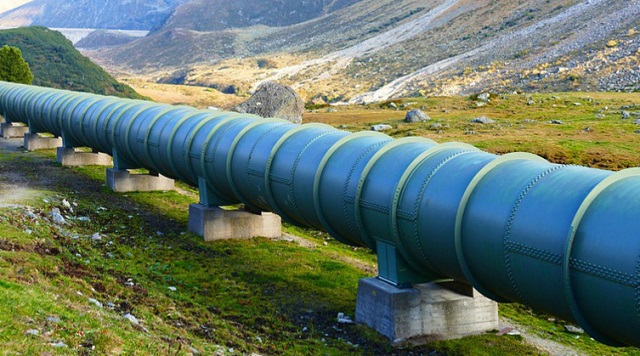
The 1,443km pipeline will link Uganda’s oil-rich Albertine Graben to the Indian Ocean port of Tanga in Tanzania, carving a new export corridor and reshaping regional energy dynamics.
Officials say construction has passed the 80% mark, with full commissioning scheduled for July 2026 and first oil expected shortly after.
Uganda enters oil club, Tanzania becomes a gateway
The project marks a historic moment for landlocked Uganda, which will export crude for the first time—joining the ranks of African producers such as Nigeria, Angola and Ghana.
At peak output, the pipeline will carry 230,000 barrels of waxy crude a day, enabling Uganda to tap into its 6.5 billion barrels of recoverable reserves.
Uganda’s Energy Minister, Ruth Nankabirwa, called the pipeline “a game-changer”, predicting up to $2.5 billion in annual revenue by 2028 once production ramps up.
Neighbouring Tanzania, meanwhile, stands to benefit as the logistical and commercial host of Africa’s newest export route. Taxes, jobs and port upgrades are already flowing, with Tanga tipped to evolve into a strategic regional energy centre.
Backed by global heavyweights
The project is led by TotalEnergies, which holds a 62% stake, alongside China National Offshore Oil Corporation (CNOOC) and Uganda’s national oil company, UNOC. Thousands of jobs have been created across construction sites in both countries.
The pipeline’s design—heated to around 50°C to prevent solidification—will make it the longest heated crude pipeline in the world, built to transport Uganda’s uniquely waxy oil to market.
Ripple effects across Africa and the diaspora
Analysts say the pipeline could become a launchpad for wider regional integration. Zambia and South Sudan are among countries that have expressed interest in potential future interconnections.
Across Africa’s diaspora—from the UK and Europe to the Gulf and North America—the pipeline has stirred interest in investment vehicles, supply chains and services, echoing the early stages of Nigeria’s energy boom two decades ago.
For Tanzania, local authorities estimate 1,200 direct jobs and rising tax revenue will catalyse coastal communities, while port traffic at Tanga continues to build.
Environmental scrutiny and green pledges
EACOP has drawn sustained criticism from environmental groups concerned about its route across sensitive ecosystems around Lake Albert and the Murchison Falls conservation zone.
Developers say mitigation measures are in place. The pipeline’s operators have pledged:
- 80% solar-powered pumping stations
- Zero routine gas flaring
- $250m in resettlement and community development funds
Project leaders argue the pipeline represents responsibly managed development at a time when over 600 million Africans lack electricity.
A decisive moment in a shifting energy landscape
The global oil market is tightening as producers diversify supply and demand trends fluctuate. New deposits in places such as Uganda, Namibia and Guyana increasingly shape conversations about energy security and transition.
For Uganda and Tanzania, EACOP is not just infrastructure—but a statement of intent: that East Africa intends to claim a place in the global energy economy and ride the wave of opportunity while the world continues shifting toward cleaner energy.