BY NAOMI WANDIA | 5484 MEDIA | NAIROBI, KENYA
STORY HIGHLIGHTS
-
- South Africa dominates Africa’s quality-of-life rankings, with coastal cities attracting investors through affordability and strong purchasing power.
- Nairobi emerges as East and Central Africa’s highest-ranked city, fuelled by fast-growing digital, financial and cultural ecosystems.
- From Namibia to Morocco, African cities position themselves as magnets for returnees, entrepreneurs and remote workers seeking lifestyle and business opportunity.
Africa’s top-performing cities are setting the pace for investment and lifestyle in 2026, with South Africa’s urban giants leading the continent and Nairobi rising as the undisputed powerhouse in East Africa.
Fresh data from Numbeo, analysed by Business Insider Africa, places South African and Namibian cities at the top of the continent’s quality-of-life index—while Kenya’s capital makes a compelling case for those seeking innovation, growth and global connectivity.
The findings showcase a continent increasingly attractive to diaspora returnees and investors, thanks to comparatively affordable housing, growing job markets, cleaner air than many global hubs and climates favourable for year-round living.
South Africa Dominates the Top Tier
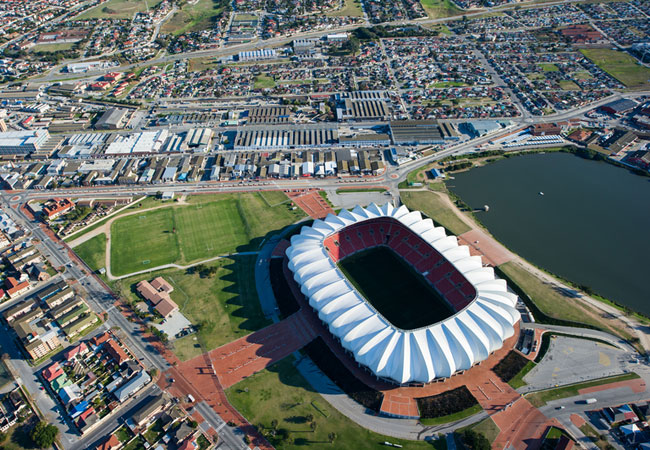
1. Port Elizabeth, South Africa (163.0)
Port Elizabeth takes first place with strong purchasing power (119.9) and one of Africa’s most favourable price-to-income ratios at 2.0. Moderate pollution levels and coastal living continue to draw interest to tourism, real estate and marine-linked sectors.
2. Cape Town, South Africa (160.3)
Cape Town secures second position, supported by impressive spending power (107.1) and low pollution (38.3). With a thriving creative sector, tech scene and global tourism appeal, it remains a preferred landing spot for the diaspora despite higher property costs.
3. Windhoek, Namibia (158.3)
Namibia’s capital offers stability, safety and comparatively low pollution (34.3). With a 4.9 housing-to-income ratio, Windhoek stands out as a gateway to southern Africa for first-time investors and relocators.
Strong Urban Contenders
4. Durban, South Africa (152.3)
Durban scores highly for affordability and quality of life, with accessible housing and a healthy pudrchasing power index. Its coastal economy continues to support hospitality, logistics and tourism ventures.
5. Pretoria, South Africa (144.9)
A government and administrative hub, Pretoria combines strong incomes with manageable living costs. Despite moderate pollution, the city remains a draw for professionals working across public and private sectors.

6. Johannesburg, South Africa (141.2)
Johannesburg maintains its status as Africa’s financial capital, with the continent’s highest purchasing power (113.6) among the ranked cities. While pollution is higher, the economic opportunities—from mining to fintech—continue to outweigh concerns for many investors.
North Africa Holds Its Ground
7. Tunis, Tunisia (109.4)
Tunis offers Mediterranean lifestyle appeal and a key port economy, though lower purchasing power and elevated pollution challenge residents. The city remains a strategic base for trade, manufacturing and public sector investment.
8. Casablanca, Morocco (95.6)
Casablanca—the business nerve centre of Morocco—scores well for infrastructure and commerce, despite comparatively high air pollution and stretched income ratios. Its financial services sector remains a major magnet for regional capital.
Nairobi Tops East and Central Africa
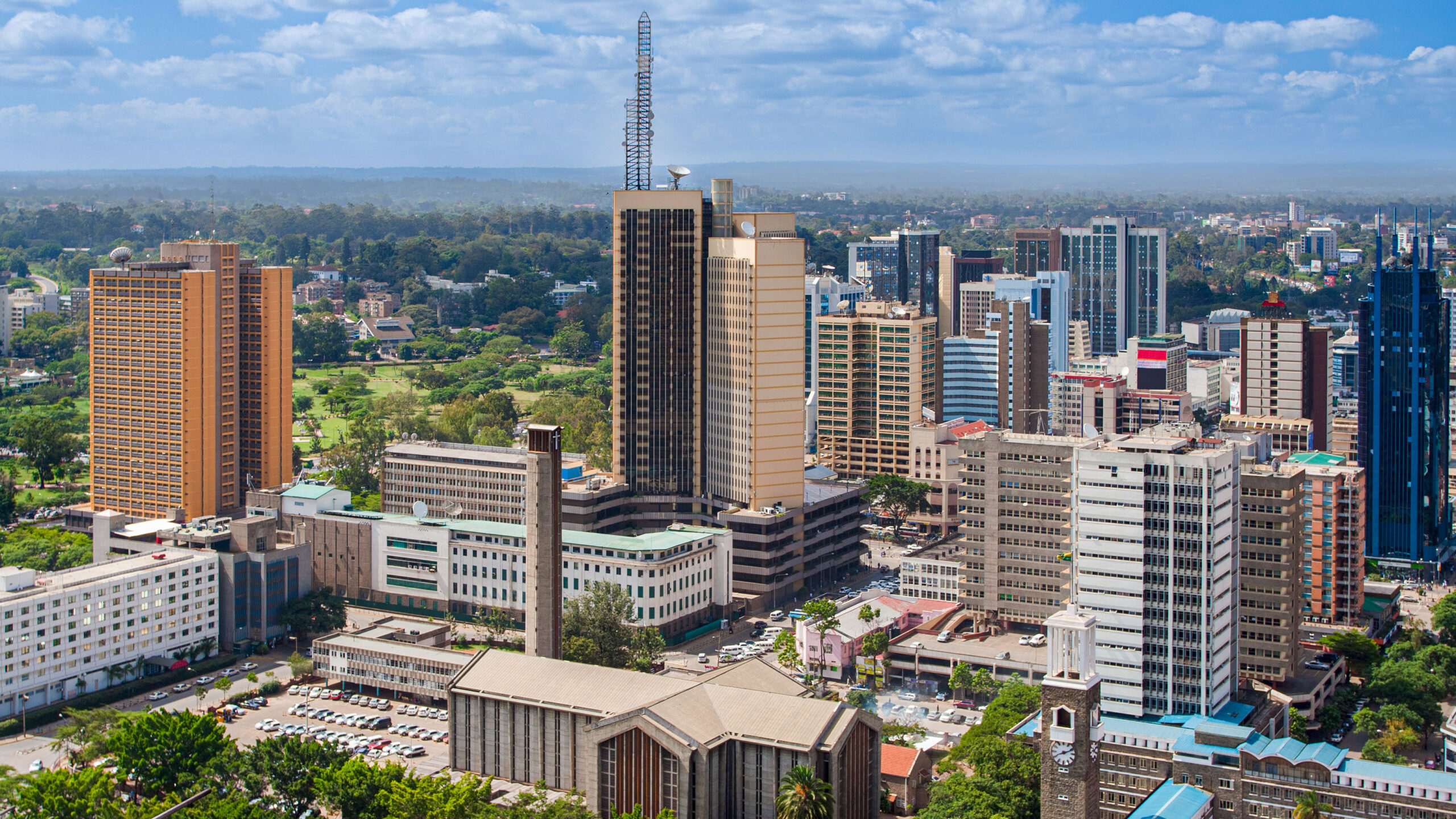
9. Nairobi, Kenya (95.1)
Nairobi emerges as East and Central Africa’s highest-ranked city, thanks to its status as a continental innovation hub.
While housing is more expensive relative to income and pollution levels higher, the capital’s booming digital economy, multinational presence, venture capital flows and cultural vibrancy continue to fuel demand.
From Karen to Westlands, property markets are heating up as Kenyans abroad invest in anticipation of continued economic growth.
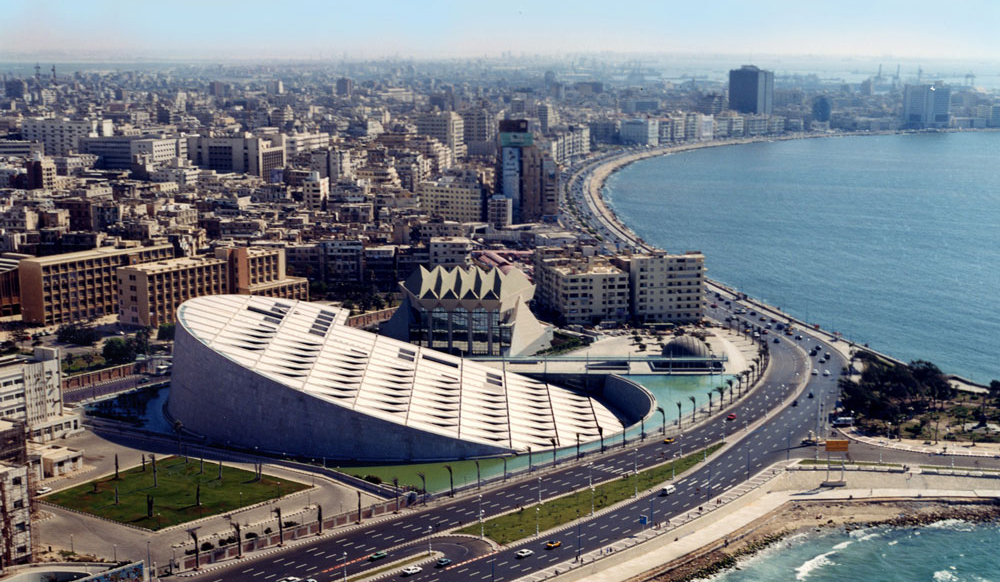
10. Alexandria, Egypt (89.0)
Alexandria rounds out the list, offering coastal charm and strategic access to trade routes. Lower purchasing power places pressure on households, but its logistics and industrial appeal remains strong.
Why the Diaspora is Taking Notice
Africa’s leading cities are rewriting the narrative—showcasing improved livability, affordability and investment returns compared with many global alternatives.
South Africa continues to dominate for quality of life, while Nairobi stands out as a leading hub for innovation, entrepreneurship and pan-African growth.
From Cape Town’s wine estates to Nairobi’s start-up corridors, 2026 is shaping up as the year more Africans return, invest and build in cities powering the continent’s next economic wave.