BY VICTORIA AMUNGA | 5484 MEDIA | NAIROBI, KENYA
STORY HIGHLIGHTS
- The expansion of U.S. visa bans and restrictions on several African countries signals a stronger security-first foreign policy stance.
- Economists warn the move could reshape migration, business travel, and Africa–U.S. relations, while urging African states to accelerate internal development.
Economists are raising concerns that the widening of U.S. visa restrictions across Africa reflects a decisive shift in Washington’s foreign policy—one that prioritizes security over mobility, with Africa bearing a disproportionate impact.
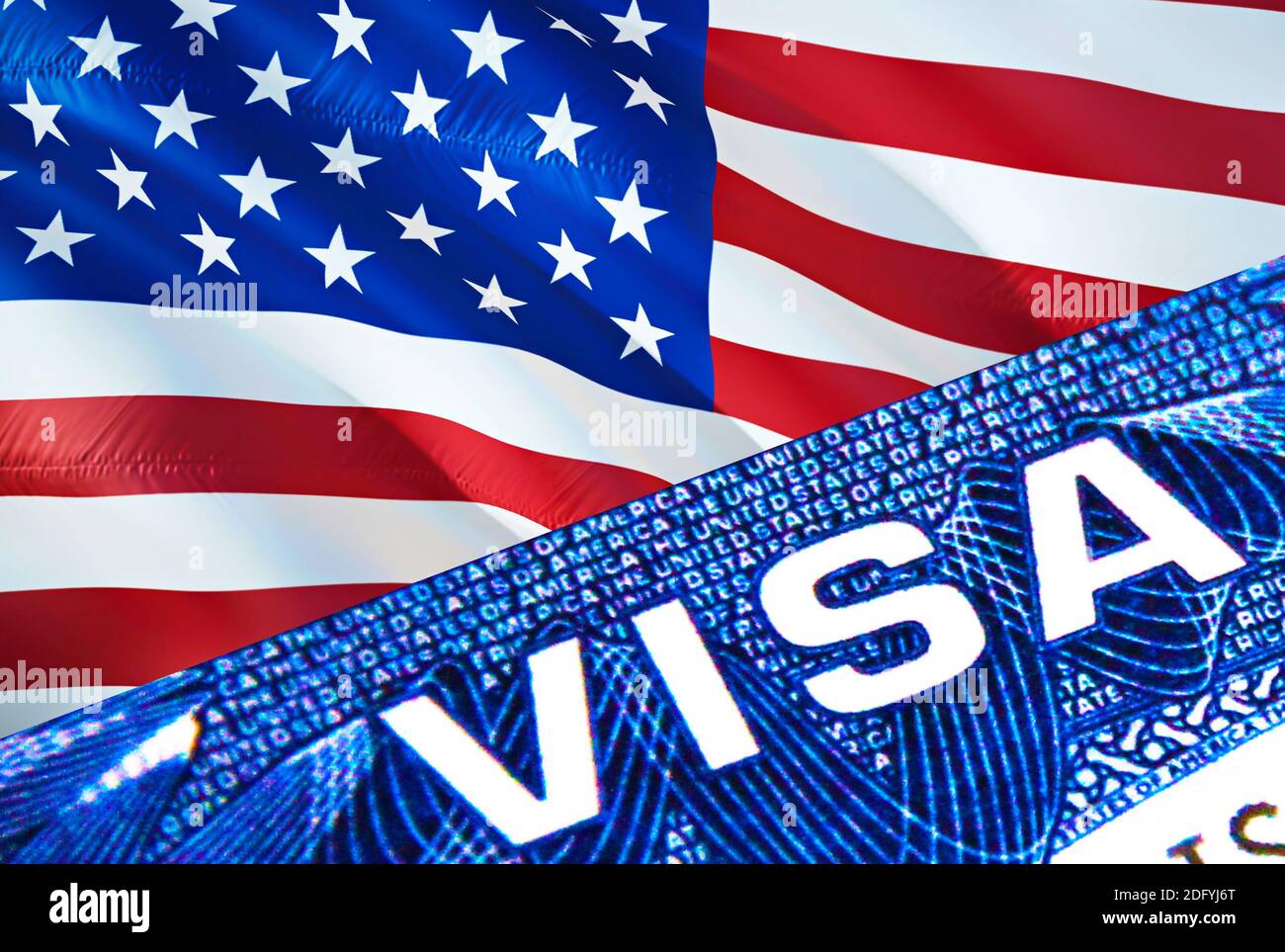
In June, U.S. President Donald Trump signed a proclamation imposing a full travel ban on citizens from certain countries, while others face partial entry restrictions into the United States. The policy, according to the White House, is intended to protect the U.S. from foreign terrorists and other security threats.
However, analysts argue that the implications go far beyond security.
African Countries Affected
Several African nations are among those facing full or partial restrictions. These include Angola, Benin, Côte d’Ivoire, Gabon, Gambia, Malawi, Mauritania, Nigeria, Senegal, Tanzania, Zambia, and Zimbabwe.
The inclusion of such a broad cross-section of African states—spanning West, East, Central, and Southern Africa—has raised alarm among economists who see the policy as a blunt instrument that risks undermining people-to-people ties, trade, education, and investment.
A Wake-Up Call for African Leadership
While acknowledging U.S. sovereignty over immigration policy, economists say the move should serve as a wake-up call for African governments to accelerate internal reforms and regional integration.
“By building robust domestic systems, Africa can demand a seat at the global table based on mutual respect and shared prosperity, rather than being viewed through the lens of dependency or security risk,” said Eric Musau, a research analyst at Standard Investment Bank.
According to analysts, stronger institutions, diversified economies, and effective continental frameworks such as the African Continental Free Trade Area (AfCFTA) could reduce Africa’s vulnerability to external policy shifts.
Kenya: Not Banned, But Feeling the Heat
Kenya is not on the U.S. full travel ban list. Nonetheless, Kenyan applicants are facing tighter immigration rules and increased scrutiny during visa interviews.
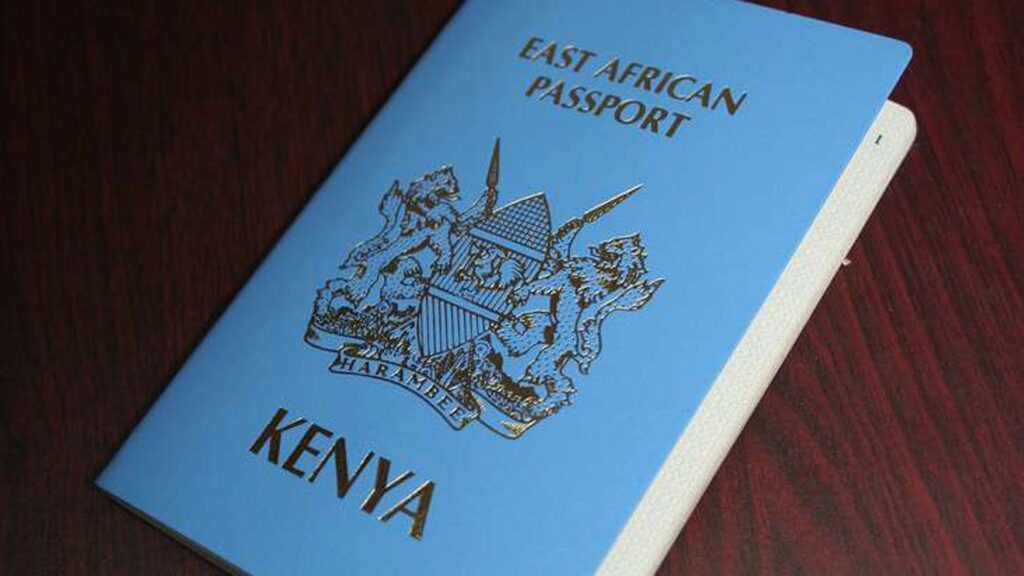
Economists and migration analysts warn that these stricter processes could still have tangible economic consequences—particularly through reduced travel for work, business, education, and diaspora-linked investment.
Human Stories Behind the Numbers
For many applicants, the policy shift is not just an abstract economic debate but a deeply personal experience.
Fifty-four-year-old Millicent Odongo, who was recently denied a U.S. visa, told 5484 Media that she remains hopeful despite the setback.
“When I went for the interview, they asked me why I want to travel, what my job is, and if I have travelled before. Then he said, ‘Thank you, try another time,’” she recalled.
Yet others continue to succeed, highlighting the uneven outcomes of the tightened process.
Senanu Tord, one of the successful applicants, described his experience as smooth.
“My experience was really good. I presented my documents, she asked me a few questions, including where I have travelled before, and I was granted the visa,” he said.
Beyond Visas: A Broader Economic Question
As the U.S. tightens its borders, economists say Africa faces a critical choice: remain reactive to global policy shifts or proactively reshape its economic and diplomatic standing.
While the American Dream may be growing more uncertain for many Africans, analysts argue that the long-term answer lies closer to home—through stronger economies, regional cooperation, and policies that make opportunity less dependent on foreign borders.