BY ZAINAB SAID |5484 MEDIA | MIGORI, KENYA
Story Highlights
- Traditional leadership structures viewed women as socially mobile and therefore unsuitable for power.
- Historical figures like Mekatilili wa Menza challenge long-held beliefs about women’s capacity to lead.
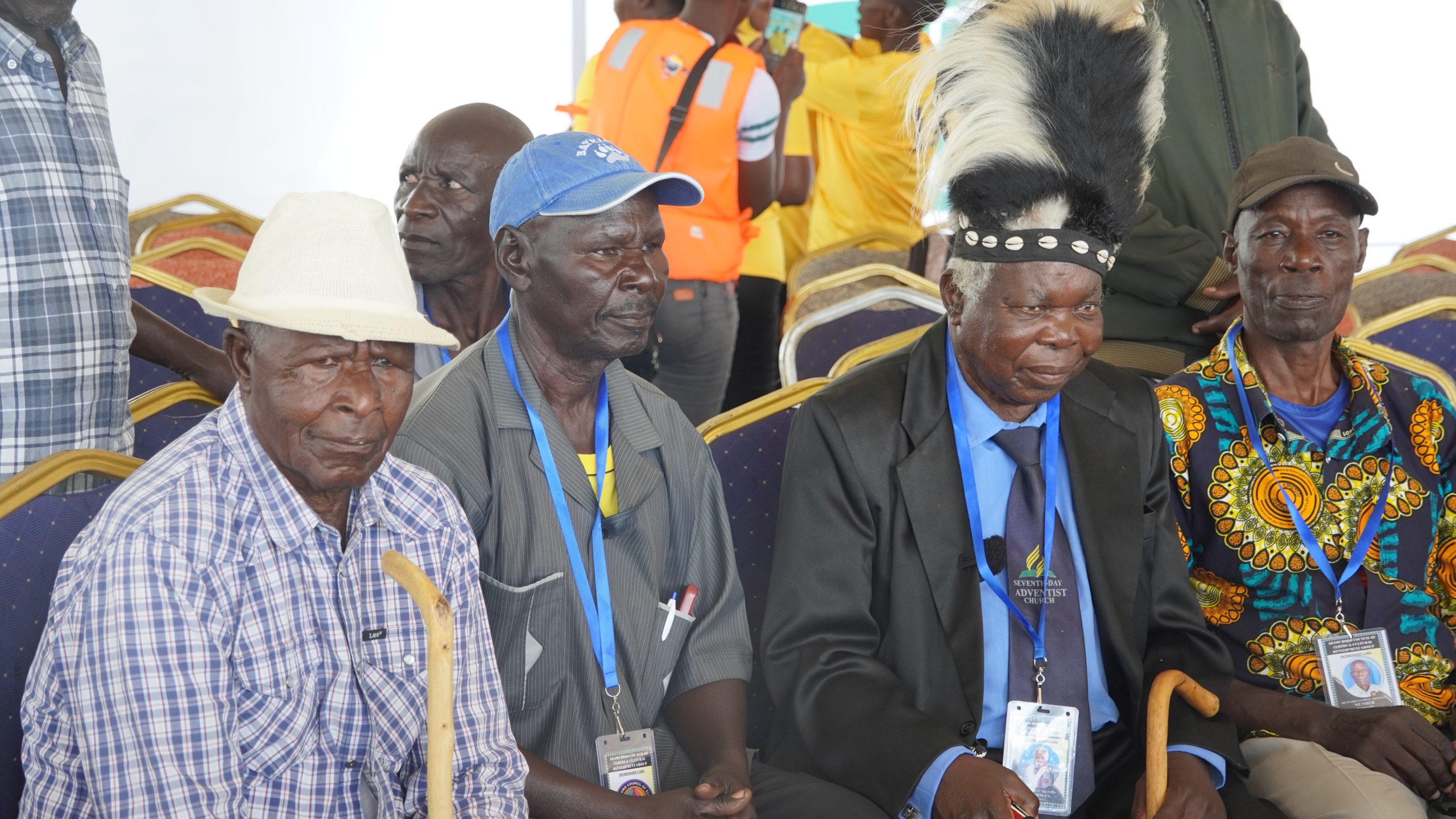
At the sidelines of the Piny Luo Cultural Festival held in Migori County between December 17 and 25, a candid conversation unfolded—one that offered rare insight into how traditional African societies understood leadership and gender.
Mzee Symonds Orondo, an elder of the Abasuba community in Nyatike, spoke openly about why women were historically excluded from positions of authority. His reflections, while controversial, echoed beliefs that have shaped governance structures across many African communities for generations.
“Women Were Seen as Transient”
Orondo’s explanation was blunt and deeply rooted in tradition.
“The only woman you have truly buried is your wife,” he said. “Women are transient; they come and go. They can be married here today and in a different home tomorrow.”
In his view, leadership demanded permanence—unbroken loyalty to land, clan, and ancestry. Marriage, divorce, and remarriage across communities were seen as destabilizing, creating fear that women leaders might carry community secrets beyond tribal boundaries.
To traditional societies, Orondo explained, this perceived mobility made women unsuitable custodians of power.
When Culture Speaks, Even Women Listen
What stood out during the discussion was not just Orondo’s conviction, but the quiet affirmation from those around him. Two women present nodded in agreement as he spoke, highlighting how deeply such beliefs are embedded within cultural consciousness.
When asked what would happen if a throne fell vacant and the only elder available was a woman, the response was unanimous. Leadership, Orondo said, would still be handed to a young boy.
“Culture would not allow a woman to sit on the throne,” he added.
A History That Complicates the Narrative
Yet African history tells a more complex story.
When the name of Mekatilili wa Menza was mentioned—the legendary Mijikenda woman who led resistance against British colonial rule in the early 20th century—the room shifted. Her story stood in stark contrast to the idea that women were incapable of leadership.
Mekatilili not only led; she mobilized, inspired, and challenged colonial authority at great personal cost. Her legacy unsettles long-held assumptions and forces communities to confront uncomfortable truths about selective memory and historical erasure.
Tradition Meets a Changing World
Mzee Orondo’s reflections illuminate a broader tension playing out across Africa today. While his views reflect the cultural logic of the past, they also expose the cracks within traditions now facing modern ideals of gender equality and shared leadership.

For the Abasuba, like many other communities, the challenge lies in balancing cultural preservation with evolving social realities. The question is no longer whether these beliefs existed—but whether they can adapt without erasing identity.
As conversations like this continue to surface in cultural spaces, they open the door to reflection, dialogue, and perhaps a reimagining of leadership itself.