
By Staff Reporter | 5484 Media | Migori, Kenya
STORY HIGHLIGHTS
- Luo leaders have called for unity and cultural preservation while urging an end to costly burial practices that push families into debt.
- Political and cultural elders challenged the community to shift from poverty-driven traditions and confrontational politics toward economic empowerment and development.
- The Piny Luo Cultural Festival highlighted the need to protect Luo heritage, pass cultural knowledge to youth, and safeguard cultural sites for future generations.
Luo leaders have renewed calls for unity, cultural preservation, and a shift away from costly burial practices that continue to impoverish families, as the 5th edition of the Piny Luo Cultural Festival officially kicked off in Migori County.
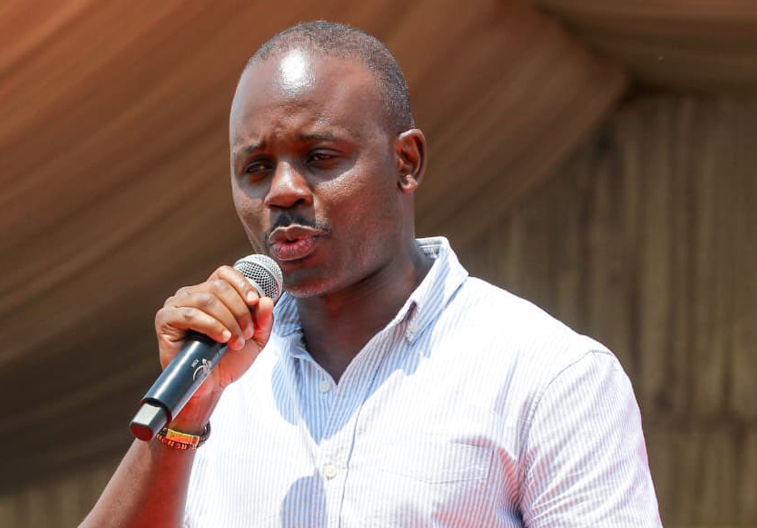
Speaking at the opening of the cultural event held at Rongo University, Migori Senator Moses Kajwang urged the community to critically re-examine what he termed as wasteful spending in the name of giving deceased relatives “befitting burials.”
The senator faulted burial extravagance that leaves widows and families burdened with heavy debts long after the deceased has been laid to rest.
“There is no merit in keeping the dead for a long time in the mortuary. We are wasting resources that could instead help the living,” Kajwang said.
He cited the late former Prime Minister Raila Odinga as an example, noting that Raila had directed that he be buried within three days of his death — a wish that was honoured.
“Raila showed us the way by saying he should be buried within three days, and that is exactly what happened. Even me, Moses Kajwang, I can be buried within a day,” he added.
Migori Governor Ochilo Ayako, who is hosting this year’s festival, echoed similar sentiments, urging the Luo community to move away from what he described as the “politics of poverty.”
Governor Ayako challenged Luos to focus less on confrontational politics and instead pursue business opportunities, partnerships and economic empowerment.
“We must be progressive enough and stop over-concentrating on hard politics and confrontation, while ignoring opportunities that can uplift our people economically,” Ayako said.
Earlier, while speaking to 5485 Media, Luo Council of Elders Chairman Odungi Randa called for unity among the Luo people across regions and national boundaries, saying cohesion was the foundation of development.
“Let nothing separate our people. Let nobody come between our people,” Mzee Randa said.
?
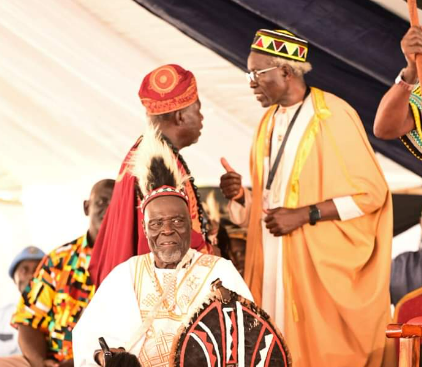
He urged elders to remain united, describing them as the glue that holds the community together, and called on political leaders to work in love and unity despite differences in opinion or political affiliation.
“If there is to be development, we must first stay united. We can differ in thought, but remain one people,” he noted.
Randa also cautioned youthful leaders against attempting to divide the community using money, warning that such efforts would ultimately fail. He reminded aspirants that Raila Odinga had kept the Luo community united throughout his political life and that his passing left a significant leadership vacuum.
He urged the community to rally behind Siaya Senator Oburu Odinga, the ODM party leader, saying unity behind existing leadership was key to progress.
“We should support our leaders so that we can move forward,” he said.
On culture, Mzee Randa warned against practices that were not traditionally Luo, particularly body preservation and prolonged mortuary stays, which he said were eroding cultural values and deepening poverty.
“There was nothing like preserving bodies in Luo culture. These practices are making our people poorer,” he stated.
He called on the community to attend the Piny Luo Cultural Festival, which runs from December 15 to December 17 and will be graced by President William Ruto.
Mzee Randa was accompanied by Kisumu Luo Council of Elders Chairman Bishop Kasuku Kalolo and Migori Luo Council of Elders Chairman John Ben Omollo.
Bishop Kasuku emphasized the importance of passing cultural knowledge to younger generations.
“We must keep reminding our young people of our history and where we come from,” he said.
The elders also raised concern over the takeover of several Luo cultural sites by the national government, noting that these sites serve as important repositories of Luo identity, history and heritage.
According to the council, safeguarding these cultural landmarks is crucial in preserving the community’s past and guiding future generations.