By Zainab Saidi | 5484 Media | Nairobi, Kenya
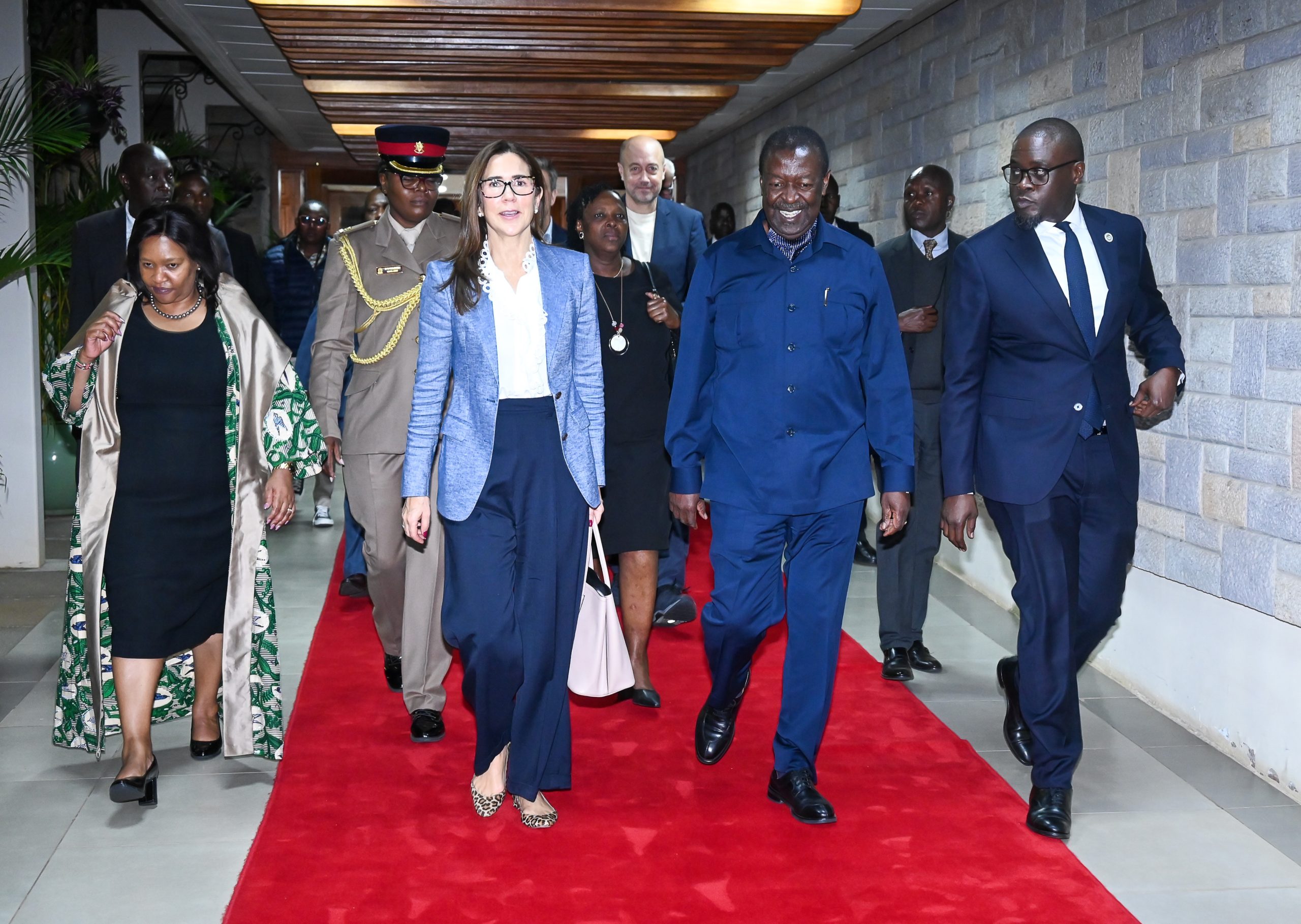
Her Majesty Queen Mary of Denmark arrived in Nairobi on Tuesday night for a three-day state visit that underscores Kenya’s growing influence in global environmental leadership. She was received at Jomo Kenyatta International Airport by Prime Cabinet Secretary and Cabinet Secretary for Foreign Affairs Musalia Mudavadi, accompanied by Cabinet Secretary for Tourism and Wildlife Rebecca Miano — setting the tone for a visit centred on climate solutions, conservation, and sustainable development.
Queen Mary’s itinerary aligns closely with Kenya’s environmental priorities at a moment when the country is at the epicenter of major global negotiations. Her programme includes visits to endangered species conservation initiatives at the Coast and urban waste management and circular-economy projects in Nairobi — interventions that mirror the themes shaping discussions at the 7th United Nations Environment Assembly (UNEA7), now underway at the UN headquarters in Gigiri.
The Queen will also participate in UNEA7, adding diplomatic weight to the Assembly’s focus on inclusive, science-based environmental governance.
UNEA7 opened in Nairobi on Monday with Kenya firmly positioning itself as a central voice in shaping the future of global environmental policy. Ministers, diplomats, scientists, civil society actors, and private-sector leaders have converged in Gigiri for what has been described as one of the most consequential environmental assemblies of the decade.
At the heart of the discussions is the approval of the new Medium-Term Strategy (MTS) and Programme of Work — the guiding framework that will direct UNEP’s priorities for the coming years. For Kenya, this blueprint carries strategic significance: it is a chance to amplify the perspective of the Global South and ensure that emerging environmental policies reflect the lived realities of developing nations.
Cabinet Secretary for Environment, Climate Change and Forestry, Dr. Deborah Barasa, described the MTS as “a key document that will shape UNEP’s strategic direction and collective environmental action for the years ahead,” emphasizing Kenya’s insistence that the strategy embed scientific credibility, fairness, and innovation.
Dr. Barasa emphasized that the crises under negotiation — climate change, biodiversity loss, land degradation, pollution, and unsustainable consumption — are interlinked and require solutions anchored in communities already confronting the harshest impacts. As host nation, Kenya is sponsoring three resolutions and co-sponsoring two others, each aimed at accelerating innovation, reinforcing climate resilience, and strengthening inclusive environmental governance.
This approach, she noted, reflects Kenya’s commitment to constructive multilateralism, positioning the country not merely as a welcoming host, but as a co-architect of progressive global environmental policy.
UNEA7 President Abdullah Bin Ali Al-Amri opened the Assembly with a call for trust, transparency, and cooperation, noting that escalating environmental crises now test global unity “and the very trust in our collective will.”
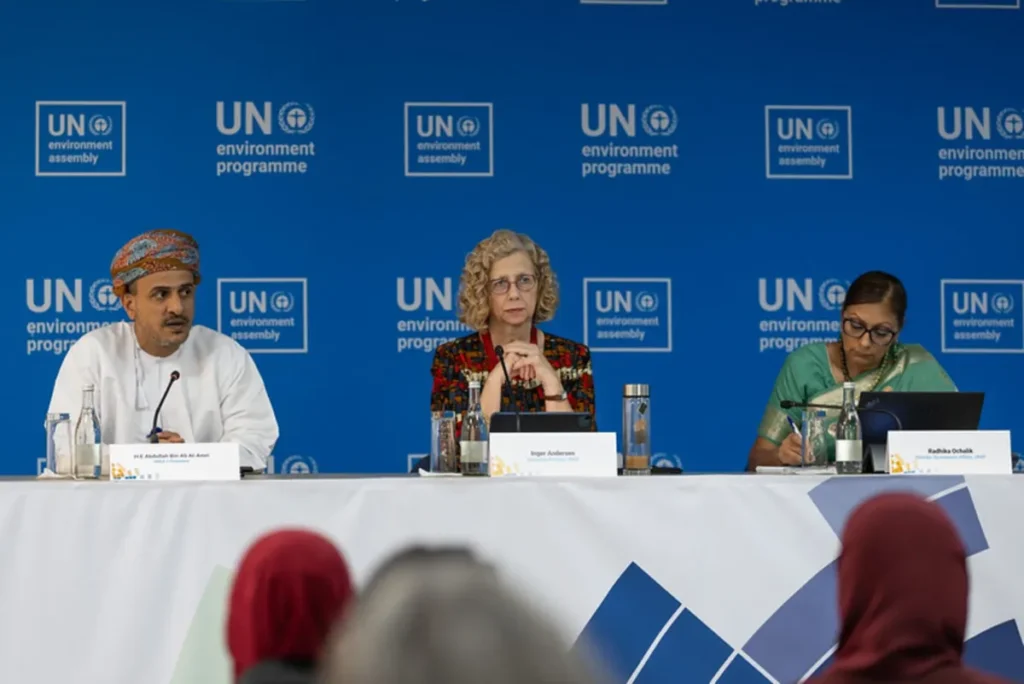
Delegates will negotiate 15 draft resolutions ranging from glacier preservation and the environmental risks of artificial intelligence to invasive seaweed management and circular economy pathways. Although UNEA resolutions are not legally binding, they have historically paved the way for major global agreements — making the outcomes of this session highly anticipated.
UNEP Executive Director Inger Andersen provided a stark scientific backdrop to the discussions, warning that global temperatures are set to exceed 1.5°C within the next decade. With ecosystems collapsing, land degradation accelerating, and pollution choking air and water worldwide, she urged delegates to treat science as “non-negotiable,” citing findings from the IPCC and IPBES.
Geopolitical dynamics also hover over the Assembly, with many observers watching the United States for signals of renewed engagement in multilateral environmental processes, particularly on plastics, pollution, and biodiversity.
A Convergence of Diplomacy, Science, and Strategy
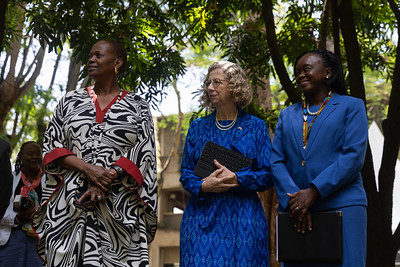
Queen Mary’s presence in Kenya during UNEA7 is widely viewed as a symbolic and practical reinforcement of Kenya’s role as an environmental diplomacy hub — a role strengthened by the country hosting UNEP’s global headquarters and consistently championing climate action on international platforms.
Her visit provides Kenya and Denmark with an opportunity to deepen cooperation in renewable energy, green innovation, biodiversity protection, and people-centered sustainable development — partnerships that resonate strongly with the goals of UNEA7.
As negotiations continue through the week, the world will be watching Nairobi closely. The decisions crafted here will shape the pace and coherence of global responses to the mounting environmental crises that define this decade.
Kenya, standing at the intersection of diplomacy, climate urgency, and innovation, has once again taken a leading role in guiding the global environmental conversation.