
BY INTERNATIONAL CORRESPONDENT | 5484 MEDIA | NAIROBI
STORY HIGHLIGHTS
- The U.S. says NGO-led global health funding weakened accountability, diluted impact, and sidelined national governments.
- New bilateral health deals advance U.S. strategic interests while pushing partner countries toward self-reliance.
- A Strategic Reset Driven by Frustration and Results
The United States has embarked on a major overhaul of its global health engagement, driven by mounting frustration with how billions of dollars in aid were spent—with limited visibility, weak accountability, and uneven outcomes.
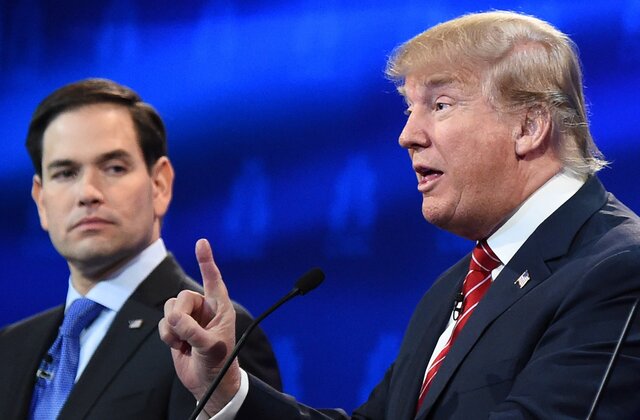
In a press statement issued on December 22, 2025, U.S. Secretary of State Marco Rubio laid out the reasoning behind Washington’s decision to deal directly with governments instead of international NGOs, calling it a necessary correction to a long-standing but flawed aid architecture.
For decades, U.S. global health funding largely flowed through non-governmental organisations acting as intermediaries. While well-intentioned, Rubio said, the system became inefficient and detached from national priorities, often producing reports rather than results.
The new policy, anchored in the America First Global Health Strategy, reframes global health not as open-ended aid, but as a strategic partnership grounded in accountability, sovereignty, and measurable outcomes.
Why Washington Is Walking Away from the NGO-First Model
At the core of the shift is a blunt assessment: too much money, too little impact.
According to U.S. officials, the NGO-driven model created several problems:
Recipient governments had limited ownership of programmes operating within their borders.
Oversight was fragmented, making it difficult to track outcomes and value for money.
Another reason was that large portions of funding were absorbed by administrative layers before reaching patients.
One-size-fits-all solutions were often imposed, regardless of local realities.
By contrast, Washington argues that governments are ultimately responsible for public health, and bypassing them weakened national systems rather than strengthening them.
Direct engagement, U.S. officials say, restores clarity: governments plan, governments implement, and governments are held accountable.
Direct Deals, Clear Expectations
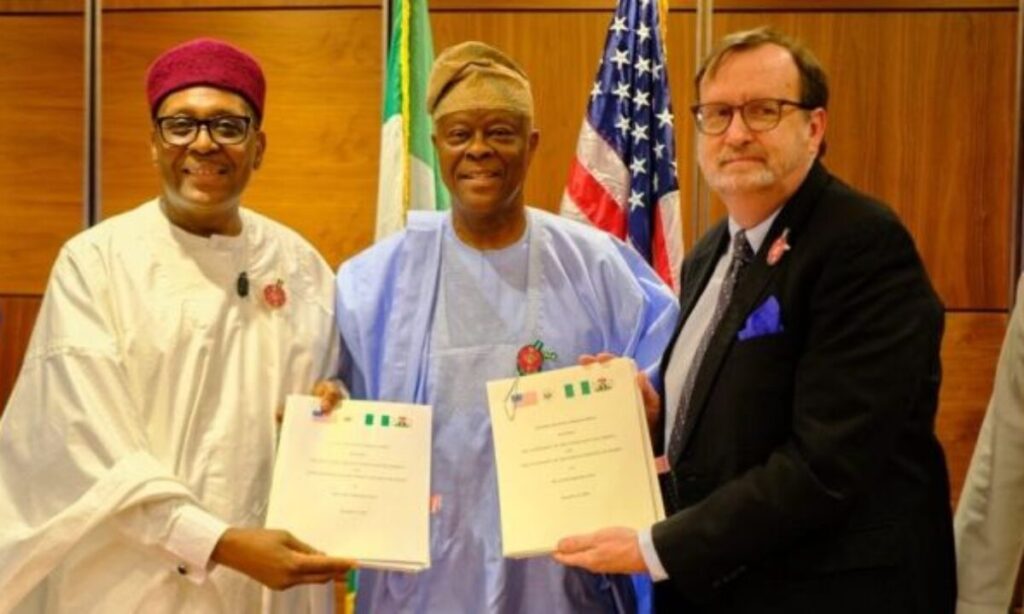
Under the new approach, the United States negotiates bilateral health Memorandums of Understanding (MOUs) directly with sovereign states. These agreements spell out funding levels, responsibilities, performance benchmarks, and co-investment commitments.
The objective is threefold:
First US sees this new approach as Reducing wastage and duplication by cutting out unnecessary intermediaries.
To the US this strengthen national health systems rather than parallel NGO structures.
By coming up with this new model Trump administration wants to ensure U.S. taxpayer money delivers visible, trackable results.
Rubio framed this as a move away from “writing cheques and hoping for the best” toward partnerships that demand delivery.
Africa as the Testing Ground
Africa has emerged as the central theatre for this new model.
Since December 4, the United States has signed bilateral health MOUs with Kenya, Rwanda, Liberia, Uganda, Lesotho, Eswatini, Mozambique, Cameroon, and Nigeria.
The agreements amount to:
- Over $8 billion in direct U.S. assistance
- More than $5 billion in co-investment by partner governments
A five-year commitment to combat infectious diseases and strengthen preparedness
For Kenya and its peers, the deals signal more than funding—they represent a shift in power and responsibility, placing governments firmly in charge of national health outcomes.
The U.S. Agenda: Health, Security, and Self-Reliance
Washington is explicit that this strategy is not driven by altruism alone.
From the U.S. perspective, global health is inseparable from national security and economic interest. Stronger health systems abroad reduce the risk of pandemics crossing borders, protect global supply chains, and limit the need for emergency interventions funded by American taxpayers.
The administration says the new model:
- Saves lives through faster, government-led responses
- Exports American health technology, expertise, and innovation
- Builds partner countries’ capacity to stand on their own
- Reduces long-term dependency on U.S. aid
In short, healthier countries abroad mean fewer crises—and fewer costs—at home.
Critics warn that sidelining NGOs could marginalise grassroots actors with deep community reach and experience. Others question whether governments, some with weak institutions, can deliver the level of transparency Washington demands.
U.S. officials counter that NGOs are not being eliminated—but repositioned as supporting actors, not drivers, of national health policy.
The burden of proof now lies with governments, and with Washington’s ability to enforce accountability when performance falls short.
What Comes Next
The State Department says additional bilateral health MOUs are already in the pipeline, signalling that this model is set to expand beyond Africa.
For now, the message from Washington is clear:
global health assistance will continue—but only where it strengthens sovereignty, delivers results, and aligns with U.S. strategic interests.
The real measure of success will not be the size of the funding envelopes, but whether this new approach delivers what the old one could not—resilient health systems, faster outbreak responses, and shared responsibility for global health security.