By Staff Writer | 5484 Media | Lagos, Nigeria
Benin’s attempted coup last week could easily have become another addition to West Africa’s growing list of successful military takeovers. Instead, it failed—and failed decisively. The swift collapse of the putsch has become a case study in how regional politics, public sentiment, and lessons from past crises can converge to stop a rebellion in its tracks.
A Region on Edge
West Africa has witnessed a wave of military takeovers since 2020, from Mali to Burkina Faso to Niger. Had Benin’s attempt succeeded, it would have been the ninth coup in five years. The timing was particularly sensitive: the region was still absorbing news of soldiers seizing power in Guinea-Bissau just days earlier.
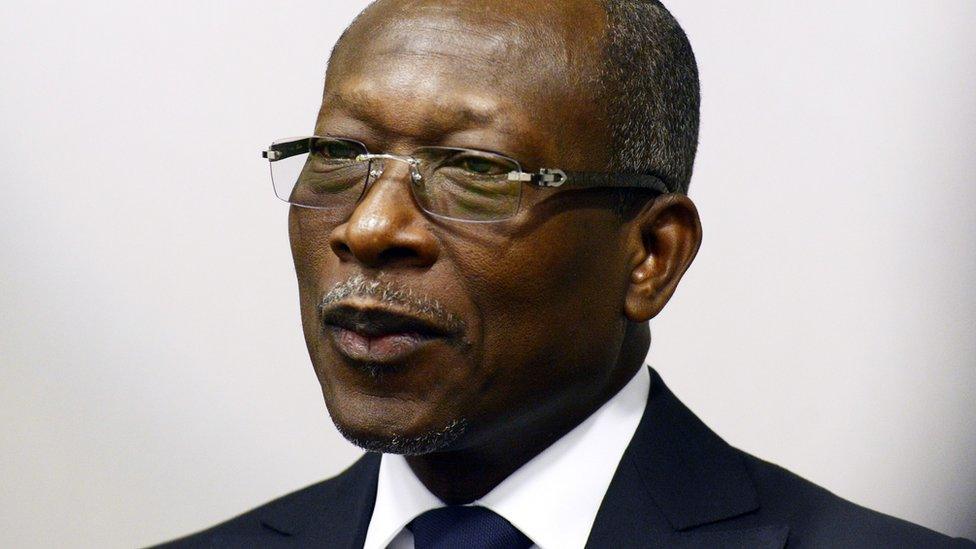
That context made the attempted overthrow of President Patrice Talon not only alarming but also strategically unacceptable for the remaining ECOWAS governments, already weakened by the withdrawal of its three Sahelian members.
From the moment shots rang out in Cotonou, ECOWAS leaders moved faster than they had in years.
A Rapid ECOWAS Reaction—This Time
Nigeria, West Africa’s military heavyweight and Benin’s immediate neighbour, scrambled fighter jets and struck rebel positions at the state broadcaster and a key military base. Within hours, ECOWAS announced the deployment of ground troops from Ghana, Nigeria, Ivory Coast, and Sierra Leone.
This rapid, coordinated response was no accident—it was the result of hard lessons learned from the Niger crisis in 2023. At that time, ECOWAS reacted slowly, giving the coup makers space to consolidate power, rally public support, and entrench themselves.
Not this time.
In Cotonou, the internationally recognised government still controlled institutions, and the coup plotters had failed to gain any public momentum. Talon’s request for help was legitimate, and ECOWAS responded at lightning speed.
Why the Plotters Miscalculated the Public Mood
Despite political tensions in Benin—including opposition grievances over election rules—there was little appetite among ordinary citizens for a violent power grab.
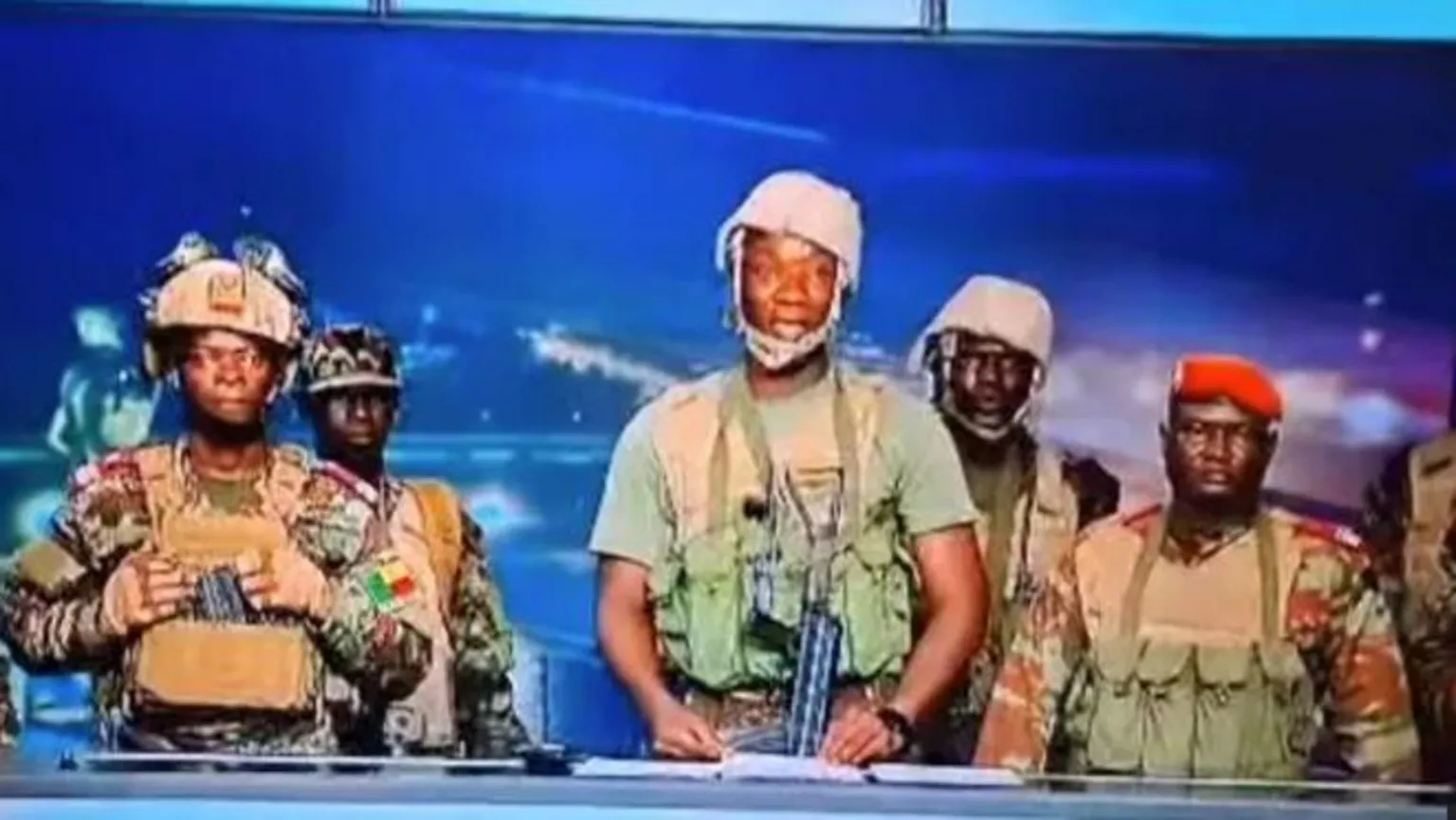
The putschists who appeared briefly on state TV failed to generate public sympathy. Instead, many Beninese saw the attempted coup as a destabilising act with no clear purpose or national benefit.
Benin has a long tradition of political contestation through civil society and democratic processes. It was a pioneer of the peaceful protest movements that swept francophone Africa in the early 1990s.
That political culture matters.
While frustrations with President Talon’s governance exist, they never translated into public endorsement of a military takeover. In fact, anger toward the coup plotters grew after news emerged that at least one civilian—a senior adviser’s wife—was killed in the violence.
A Coup Attempt Without a Cause
This was not one of the coups driven by widespread insecurity or economic collapse seen elsewhere in the region. It lacked a narrative, a unifying grievance, and a popular catalyst.
This stands in sharp contrast to the dramatic scenes in Guinea in 2021, when crowds cheered the fall of President Alpha Condé. In that case, deep anger over political repression, constitutional manipulation, and economic stagnation had created fertile ground for military intervention.
Benin’s situation is different. Talon—despite criticisms—has presided over economic growth and improvements in public services. He has also announced his intention to step down next April, though critics argue he has shaped electoral rules to favour his chosen successor.
Regional Stakes Rising
The attempted coup in Benin underscored the fragility of West African democracies, but it also marked a rare moment of regional unity and decisive action. ECOWAS, weakened and divided in recent years, seemed determined to avoid another loss.
The bloc’s willingness to deploy force immediately suggests a recalibrated strategy: stop coups before they take root.
As of now, several rebel leaders—including Lt Col Pascal Tigri—remain on the run, while abducted top officials have been rescued.
The Bigger Picture
Benin’s failed coup highlights three emerging truths about West Africa:
- Public tolerance for coups is no longer automatic—contexts matter
- Regional intervention is most effective before a coup succeeds, not after.
- Economic performance and predictable succession plans can blunt military adventurism, even when political grievances remain.
If ECOWAS chooses to build on this momentum, Benin may become the moment the region finally began to push back against the coup epidemic. If not, the next attempt may not be so easy to