By Africa Correspondent | 5484 Media | NAIROBI, KENYA
STORY HIGHLIGHTS
- US commits $2.1bn as Nigeria pledges $3bn in co-investment.
- Faith-based hospitals set to play expanded national health role.
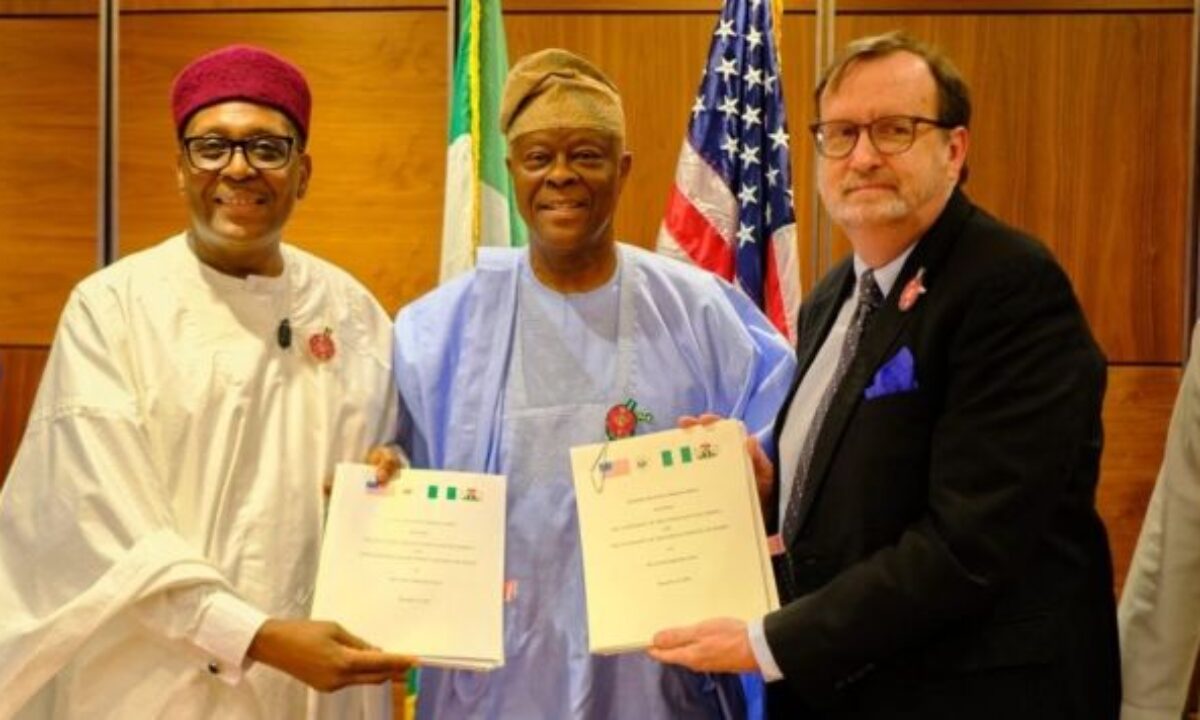
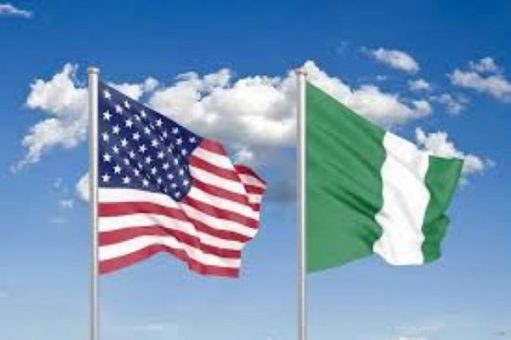
The United States and Nigeria have signed a landmark five-year bilateral health agreement aimed at strengthening Nigeria’s healthcare system, with a strong focus on expanding Christian faith-based health services across the country.
In a press statement released on December 20, 2025, the US Department of State confirmed the signing of a Memorandum of Understanding (MOU) with the Federal Republic of Nigeria under the America First Global Health Strategy.
The agreement outlines nearly $2.1 billion in intended US funding, subject to congressional approval, to support essential preventive and curative health services.
The targeted areas include HIV, tuberculosis, malaria, maternal and child health, and polio, diseases that continue to place heavy pressure on Nigeria’s health system.
Major Nigerian Co-Investment
Alongside US support, Nigeria has committed to increase its domestic health spending by nearly $3 billion over the life of the MOU.
According to the US State Department, this represents the largest co-investment by any country under the America First Global Health Strategy to date.
Officials say the combined funding is designed to improve service delivery, strengthen health infrastructure, and ensure long-term sustainability of health programs.
Focus on Faith-Based Healthcare
A central feature of the agreement is the prioritisation of Christian faith-based health care providers, which currently operate around 900 clinics and hospitals across Nigeria.
These facilities are estimated to serve more than 30 percent of the population, often in hard-to-reach and underserved communities.
Dedicated funding under the MOU will support faith-based facilities in delivering integrated HIV, TB, malaria, and maternal and child health services, complementing care provided by public health institutions.
US officials noted that investing in faith-based providers offers a cost-effective way to expand access to healthcare while reinforcing Nigeria’s overall health infrastructure.
Security and Policy Conditions
The agreement was negotiated alongside reforms by the Nigerian government aimed at protecting Christian populations from violence.
The US administration emphasized that continued progress in addressing extremist religious violence will remain a key expectation under the partnership.
As with all US foreign assistance, the President and Secretary of State retain the authority to pause or terminate programs that do not align with US national interests.
Broader Global Strategy
The State Department said the Nigeria agreement is part of a wider push to establish multi-year bilateral health MOUs with dozens of countries receiving US health assistance.
“These agreements advance the America First Global Health Strategy by promoting shared responsibility, accountability, and measurable impact,” the statement said.
Further bilateral health agreements are expected to be signed in the coming weeks as the US expands its global health cooperation framework.