BY MIDDLE EAST CORRESPONDENT | 5484 MEDIA |
STORY HIGHLIGHTS
- Protests ease but funerals continue: Iranian authorities report over 100 security deaths; activists claim 1,000+ protesters killed, with burials underway nationwide.
- Airspace reopens as tensions linger: Temporary flight ban lifted in Tehran, where heavy security persists amid subsided unrest.
- Tehran denies execution plans after US pressure: Foreign minister rejects Trump’s concerns, as 25% tariffs target global trade with Iran, risking African fallout.
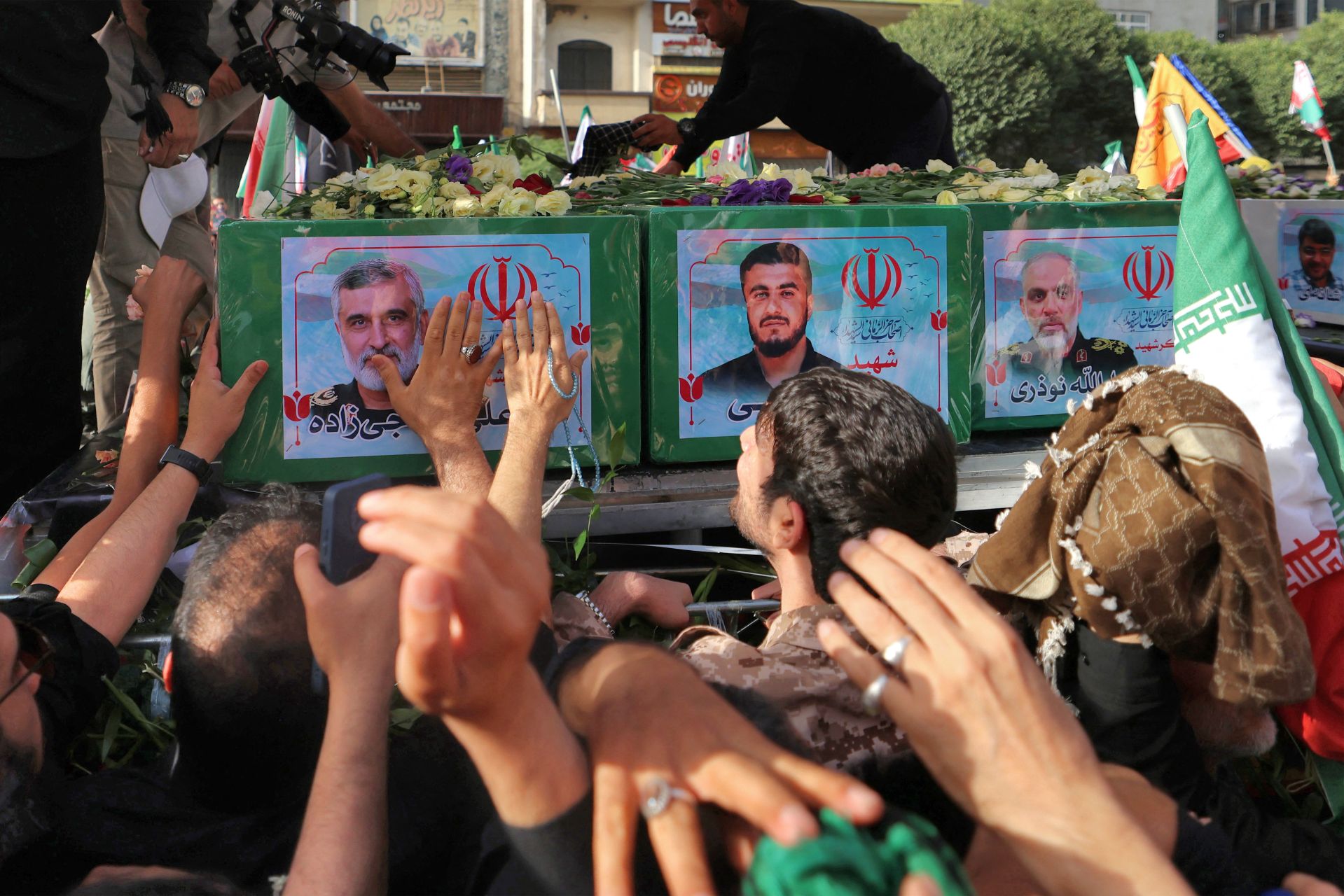
Protests that convulsed Iran for weeks have largely subsided, but funerals for civilians and security forces continue amid heavy security in Tehran.
The United States maintains economic pressure through 25% tariffs on countries trading with Tehran, heightening concerns for African economies vulnerable to oil shocks and trade barriers.
Iran’s airspace has reopened after a brief closure, signalling a return to fragile calm. Rights groups and opposition activists dispute official casualty figures, warning of underreported deaths.
Protests Fade, Mourning Persists
Funerals are underway across Iran for those killed in the unrest, which began in late December over economic grievances and evolved into anti-regime demands.
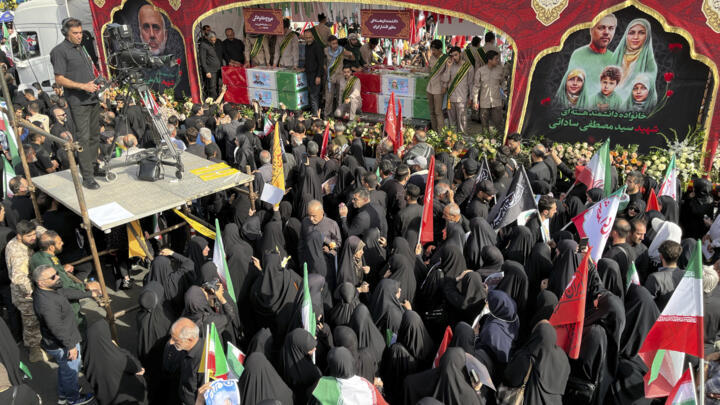
A Tehran resident told Al Jazeera that security reinforcements have intensified amid uncertainty.
Iranian authorities report more than 100 security personnel killed, framing the violence as “terrorist acts”. Opposition sources, including the Human Rights Activists News Agency (HRANA), claim over 1,000 protesters among a total death toll exceeding 2,500, with 18,000 arrests. No official government tally has been released.
A prolonged internet blackout has eased slightly, allowing limited verification, though protests have mostly ended.
Diplomatic Back-and-Forth
Foreign Minister Abbas Araghchi denied plans to execute anti-government protesters, responding to US warnings.
President Trump stated he received assurances that killings of demonstrators had stopped, while urging continued resistance and hinting at repercussions.
Tehran accuses Washington of stoking unrest as a pretext for intervention. State media highlights pro-government solidarity, contrasting with persistent funeral marches.
The US tariffs, targeting any nation trading with Iran, aim to further isolate the regime economically.
Broader Economic Ripples for Africa Subsiding unrest belies ongoing risks for Africa.
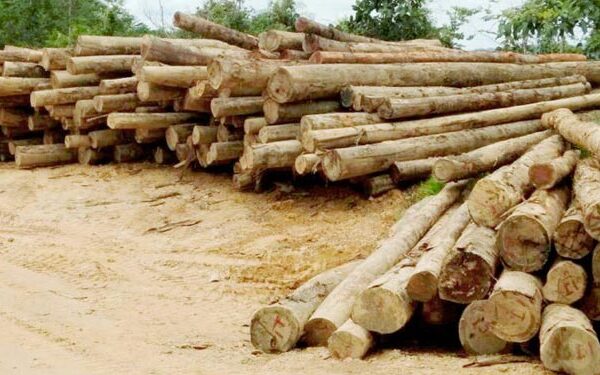
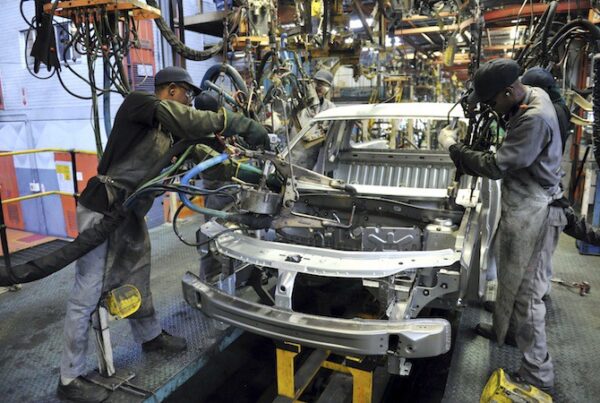
Trade and commodity chains: Secondary sanctions threaten exports like fertilisers and energy inputs, prompting businesses from East Africa to reassess US market ties.
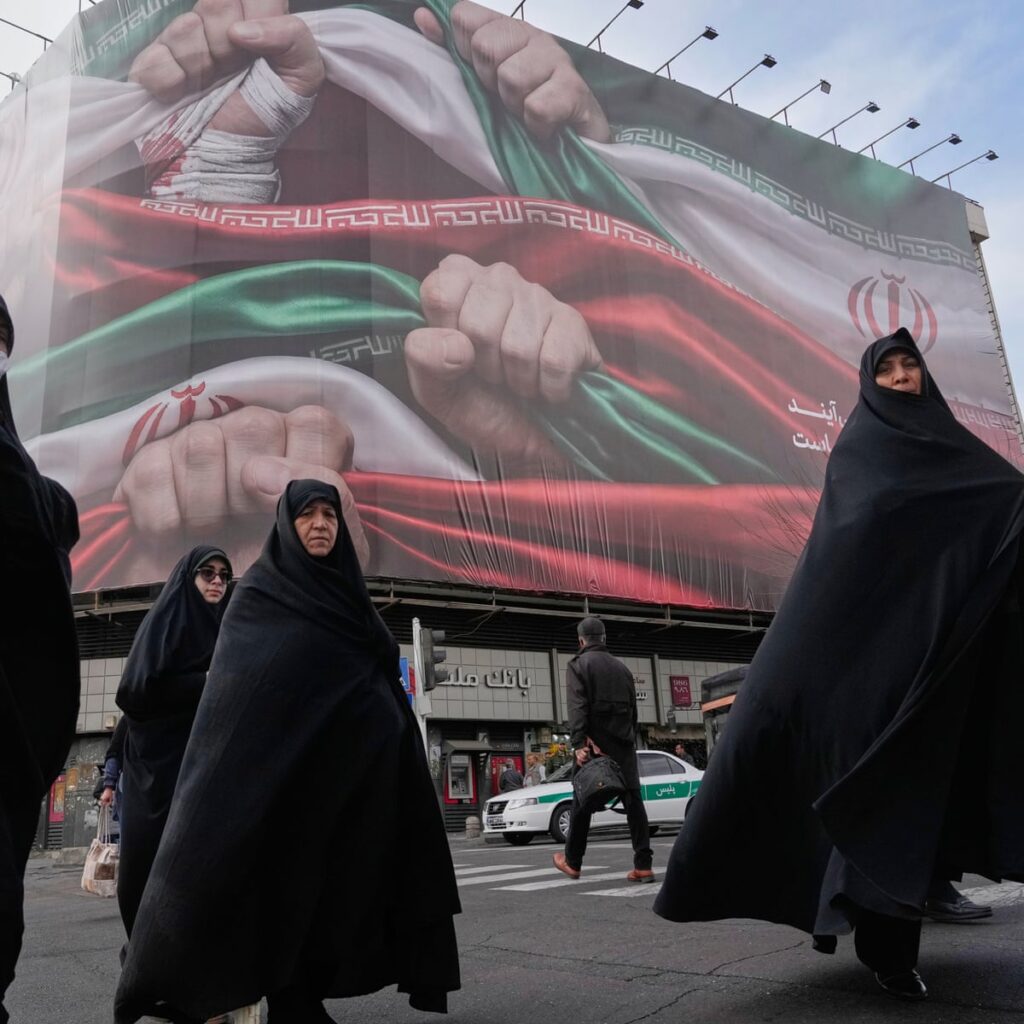
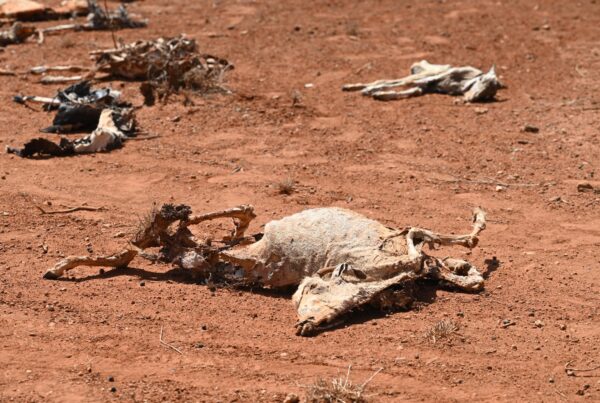
Oil market instability: Even with calmed protests, Middle East friction could sustain higher prices, straining importers amid debt and inflation pressures.
Economists in Nairobi note limited fiscal buffers. “Prolonged volatility hits households hardest,” one warns.
Diaspora communities in the US and Gulf brace for remittance dips and visa curbs, while African leaders navigate non-alignment amid US-China-Russia dynamics.
With airspace open and talks hinted at, the crisis may pivot from street clashes to economic endurance tests—with global trade lines, including Africa’s, in the balance for months ahead.