
BY REPORTER | 5484 MEDIA | NAIROBI, KENYA
STORY HIGHLIGHTS
- Saudi Gold Refinery ready to process Sudanese gold now, after high-level talks at Future Minerals Forum, amid Sudan’s pivot from smuggling-plagued Dubai routes.
- Sudan produced 70 tonnes of gold in 2025 but officially exported just 20 tonnes; new deal targets transparency, curbing losses from UAE-linked smuggling.
- Move signals Saudi’s rise as mining giant with 8m-ounce discovery, threatening Dubai while offering African nations like Ghana better refining deals and infrastructure.
Saudi Arabia is launching a major gold market in Africa by starting immediate purchases from Sudan, aiming to end Dubai’s dominance and unlock billions in revenue for producers like Ghana and Ethiopia.
The Middle East country has positioned itself as a new powerhouse in Africa’s lucrative gold trade, announcing it is ready to buy and refine bullion from Sudan immediately.
The move, confirmed after ministerial talks in Riyadh, challenges Dubai’s decades-long grip on exports from East and Central Africa.
Sudanese Minerals Minister Nour al-Dayem Taha and Saudi counterpart Bandar Alkhorayef discussed deepening ties at the Future Minerals Forum, attended by over 100 countries. A follow-up meeting with Saudi Gold Refinery chairman Suleiman al-Othaim greenlit operations, leveraging the firm’s labs and logistics for efficient processing.
For Sudan – Africa’s third-largest gold producer – this offers a “transparent, secure and profitable” alternative, per state mining officials. It comes as global gold prices soar to $4,600 per ounce in January 2026, up over 64% from 2025 amid geopolitical tensions and central bank buying.
Why Sudan is ditching Dubai now
Sudan’s shift was prompted by chronic revenue leaks: despite 70 tonnes produced in 2025, only 20 tonnes were officially exported, Finance Minister Gibril Ibrahim said. Much of the rest vanished into smuggling networks, often routed via Dubai.
Tensions with the UAE added urgency. Khartoum accuses Abu Dhabi of backing Rapid Support Forces with mercenaries from Somalia and Libya, eroding trust. Analysts link this mistrust to Sudan’s diversification push, seeking state-backed partners like Saudi Arabia over politically charged routes.
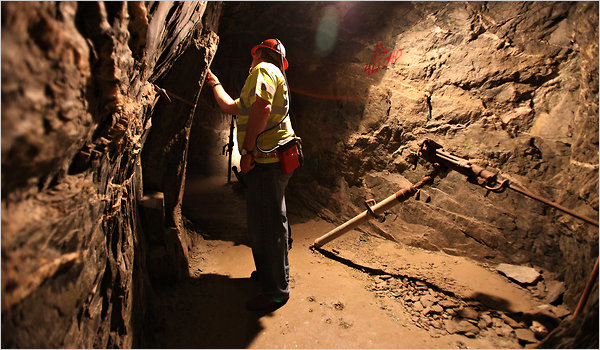
The deal also covers Saudi exploration rights for Sudanese talc, mica, chrome and manganese, with Khartoum pledging support for investments to revive stalled mines.
Ripple effects for Ghana, Ethiopia and beyond
This pivot reverberates across Africa. Ghana, the continent’s top producer, earned $10bn from small-scale gold exports in 2025 via bodies like GoldBod, much headed to Dubai refineries. Saudi Arabia’s refinery – targeting 36 tonnes annual capacity by 2030 under Vision 2030 – could lure African bullion with competitive terms, hallmarks and full value-chain control from drilling to bars.
Ethiopia, Nigeria and producers in DR Congo and Uganda may follow Sudan, formalising exports, cutting smuggling and modernising infrastructure.
Yet it poses challenges: Saudi’s 8-million-ounce discovery last year turns the Kingdom from trader to rival producer, potentially flooding supply and pressuring prices long-term.
Implications at a glance
- Revenue boost: Transparent routes could capture billions lost to smuggling, funding African economies amid record prices.
- Trade shift: Ends Dubai monopoly, giving nations like Ghana leverage for better deals and local refining.
- Strategic risks: Saudi competition may force Africa to accelerate value-addition, or risk exporting raw ore to new Middle East giants.
For diaspora investors and traders in the UK, US and Gulf, this opens reliable channels to homeland markets.
Saudi’s oil-to-minerals pivot signals deeper African engagement, but experts urge producers to build home refineries to capture full value.