BY STAFF REPORTER |5484 MEDIA | NAIROBI, KENYA
STORY HIGHLIGHTS
- “Singapore Dream” of world-class infrastructure was derailed decades ago when cartels chased away Singapore experts from modernizing Mombasa Port.
- Prime Cabinet Secretary Musalia Mudavadi reveals this as one key act of internal sabotage blocking Kenya’s global ambitions.
- Today, President Ruto pushes a KSh 5 trillion plan to finally realize the vision, warning history could repeat without reforms.
While Kenya’s President William Ruto’s regime nurtures a bold “Singapore Dream” to catapult Kenya into first-world status, top minister Musalia Mudavadi now reveals cartels sabotaged that very vision years ago—not once, but as part of a pattern of internal resistance to global best practices.
The Port of Mombasa was just one stark example.
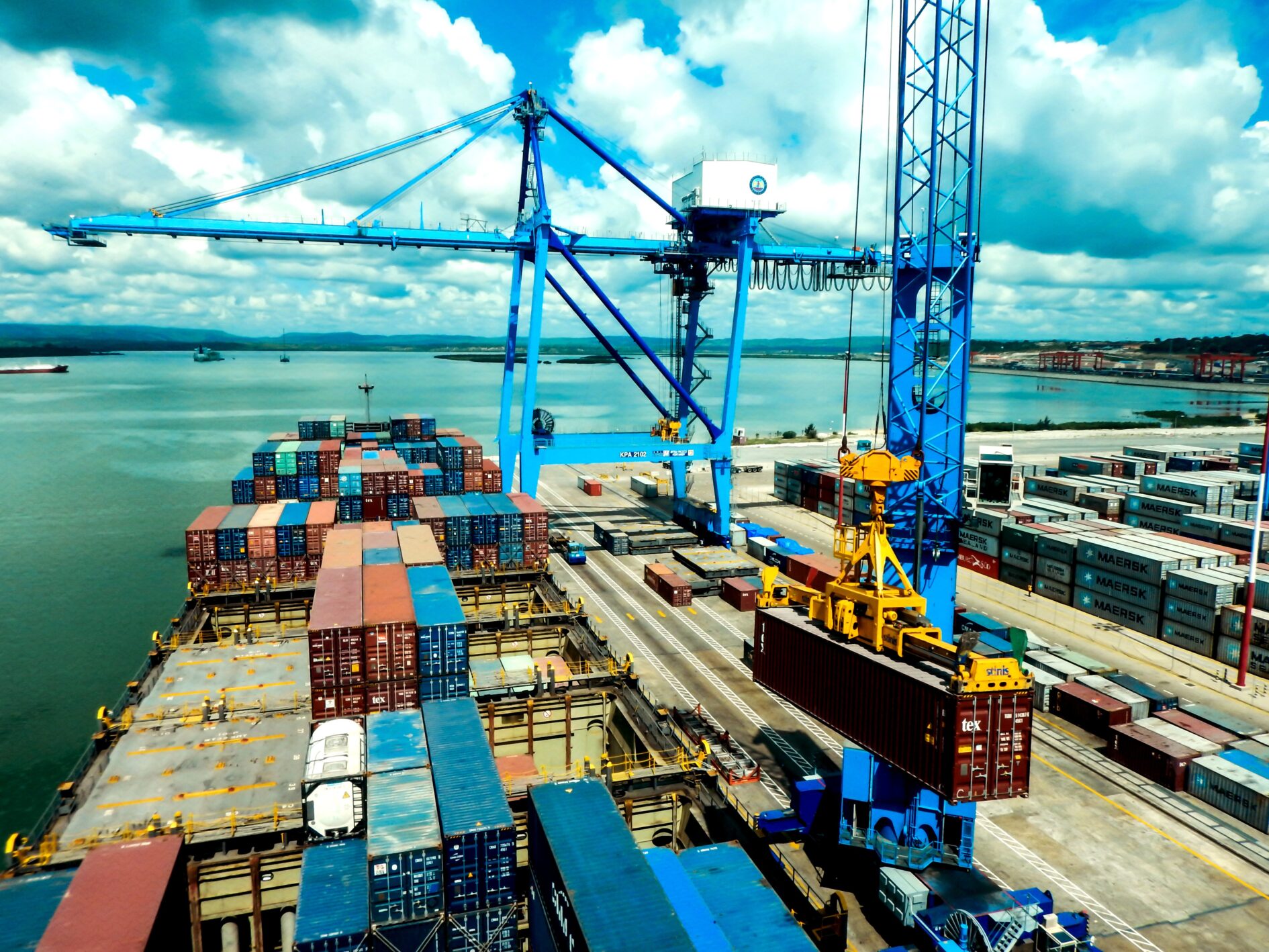
East Africa’s busiest maritime hub, handling over 30 million tons of cargo yearly and serving landlocked neighbors like Uganda, Rwanda, South Sudan, and Ethiopia, has battled congestion, corruption, and outdated systems since its colonial founding in the late 19th century.
These woes echo challenges in developing-world ports worldwide, stunting trade and growth.
Mudavadi’s 1990s Push for Singapore Partnership
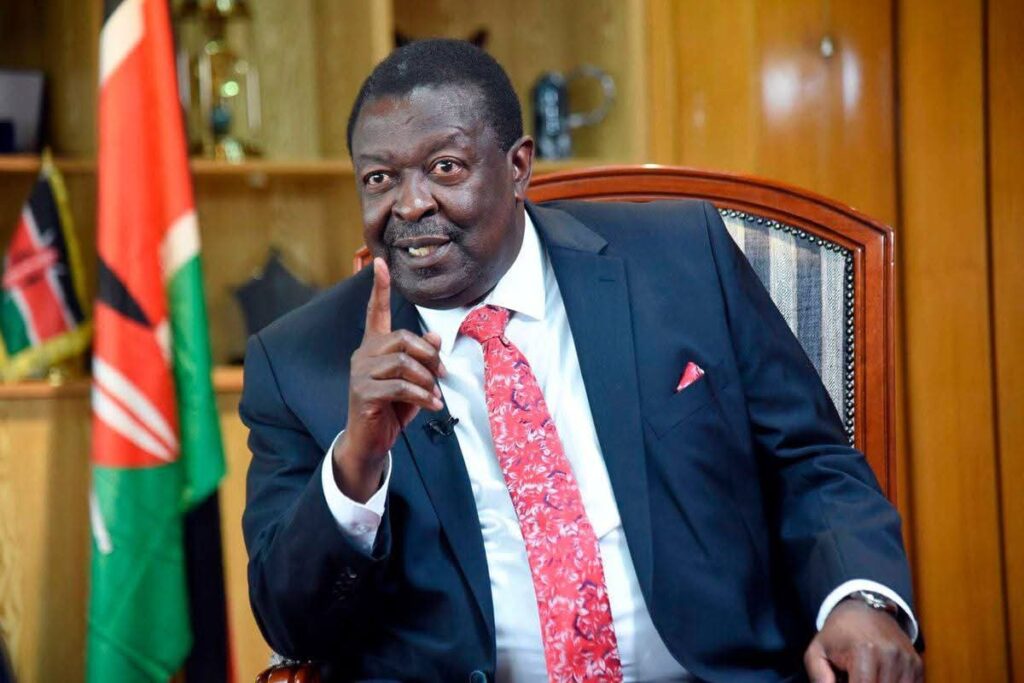
In a recent interview with a local journalist Prime Cabinet Secretary Musalia Mudavadi detailed a pivotal initiative from his time as Finance Minister (1993-1997).
Kenya aimed to mirror Singapore’s ultra-efficient port—one processing over 39 million TEUs annually via automation and seamless logistics.
Mudavadi traveled to Singapore himself, securing a technical team to upgrade Mombasa.
“The Singapore ports are one of the most efficient globally,” he said.
“I negotiated with them and brought their team to Kenya.”
The goal: import digital tracking, streamlined customs, and private-sector efficiency from Singapore’s post-1965 rise from poverty to powerhouse.
Cartels’ Fierce Blockade—and Broader Implications
Entrenched “cartels” profiting from smuggling, bribery, and delays fought back hard.
“They fought and chased away the team from Singapore,” Mudavadi disclosed, forcing the experts’ withdrawal in a multi-million-shilling fiasco.
He framed this as emblematic of repeated self-sabotage, not isolated.
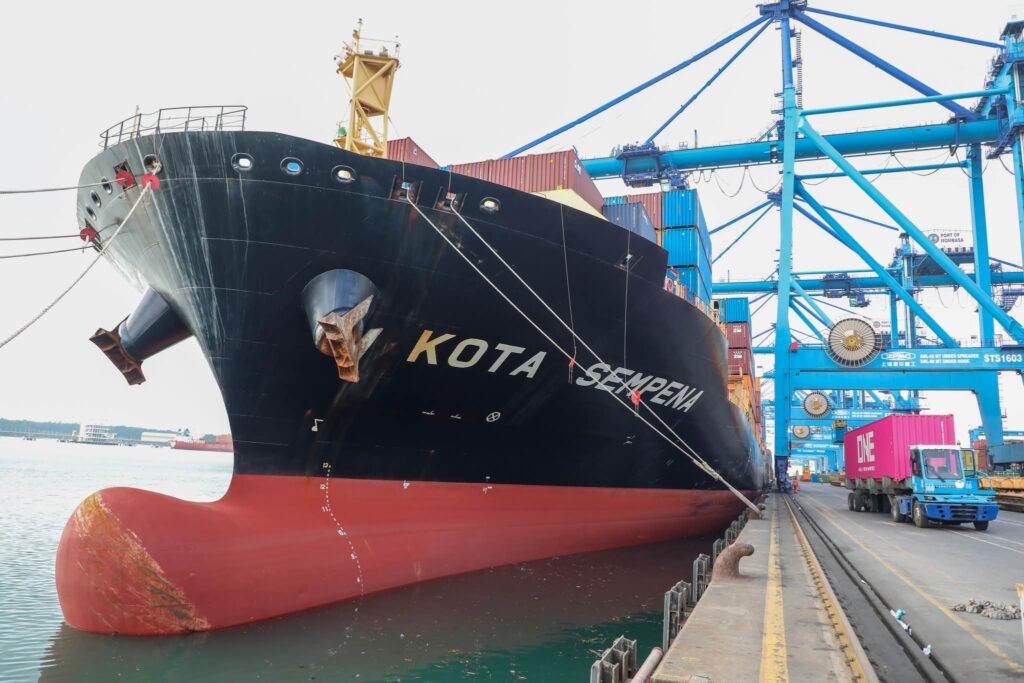
This mirrors hurdles in ports like Nigeria’s Lagos or India’s Mumbai, where local powers block reforms.
President Ruto’s Revival Amid Echoes of the Past
Mudavadi’s revelations hit as Ruto, in his November 20 State of the Nation address, relaunches the “Singapore Dream”—emulating Singapore, Japan, South Korea, and Malaysia.
A KSh 5 trillion ($38 billion) Infrastructure Fund, seeded by resources and privatizations, targets 2,500 km of dual carriageways, 28,000 km of tarmacked roads, SGR to Malaba, and 50 mega dams for 2.5 million irrigated acres.
Critics question funding, but Mudavadi warns: “Kenya will not grow if we continue as an inward-looking people.” It’s a global lesson—nations must conquer internal cartels to seize infrastructure-driven leaps.