BY STAFF REPORTER | 5484 MEDIA | NAIROBI, KENYA
STORY HIGHLIGHTS
- Survivors of Kenya’s Mau Mau struggle intensify demands for compensation and land rights, claiming 2013 settlement excluded many victims.
- International condemnation mounts over renewed violence in Sudan’s civil war, with calls for urgent humanitarian ceasefire and protection of civilians.
More than six decades after Kenya’s independence, surviving Mau Mau freedom fighters are once again demanding comprehensive compensation from the British government, insisting that the 2013 settlement excluded the majority of those who suffered under colonial repression.
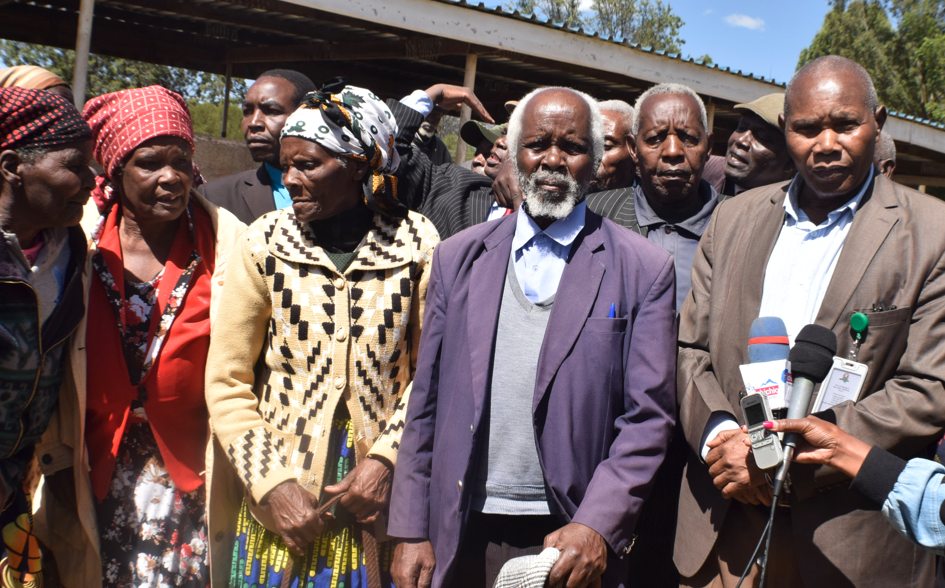
Members of the Mau Mau Pioneer Cultural Organization told journalists in Murang’a town that the earlier compensation deal was overly restrictive and failed to capture the true number of victims who endured detention, torture, and other abuses during the Emergency era.
Excluded Victims Seek Recognition
In 2013, the British government agreed to pay about Sh3 billion to roughly 5,000 claimants who could prove direct maltreatment under British colonial rule.
However, chairman Kiragu Waihenya argues that strict documentation requirements unfairly excluded many genuine victims, particularly those who were illiterate or whose records were destroyed.
“The process was not inclusive and left out many genuine victims. That is why we are demanding fresh talks on compensation,” Waihenya said, criticizing the earlier settlement as both unfair and incomplete.
Poverty, Landlessness and Aging Fighters
Waihenya painted a stark picture of the current plight of many surviving fighters, noting widespread poverty, deteriorating health, and a lack of basic support.
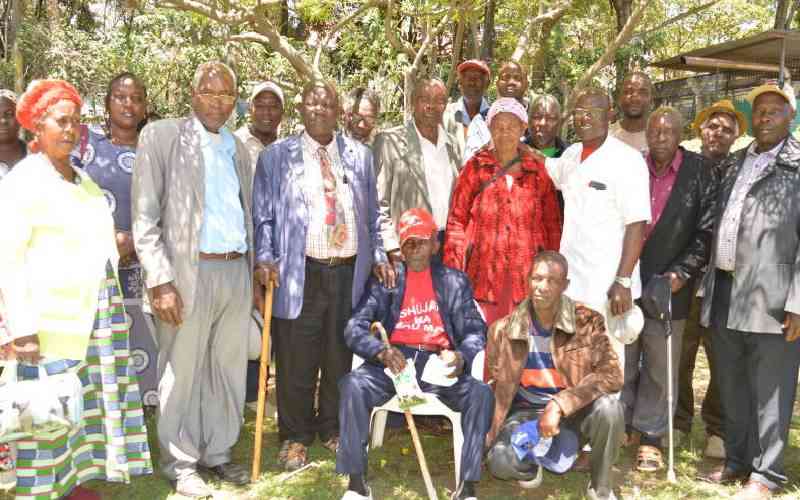
“For many of us, time is no longer on our side. We fought for this country, yet some of our members still live in poverty and desperation,” he lamented.
The group also advocates for land rights, insisting that many veterans remain landless decades after independence, still living as squatters on land they fought to reclaim.
“We want justice, including access to land. It is painful that some freedom fighters still have no place to call home,” Waihenya said.
Unity for a Renewed Push
The organization claims over 20,000 registered members, comprising surviving fighters and their descendants, and is calling for greater unity among more than 50 Mau Mau groups nationwide to increase pressure on both the Kenyan and British governments.
However, the Kenyan government maintains that the 2013 settlement closed the chapter on compensation, urging any further claims to be pursued directly with the British authorities.
State recognition of Mau Mau contributions has largely remained symbolic, limited to road names, monuments, and other gestures, with little direct material support to veterans.