BY HEALTH CORRESPONDENT | 5484 MEDIA | NAIROBI KENYA
STORY HIGHLIGHTS
- Brazil becomes the most populous nation validated by WHO for eliminating mother-to-child HIV transmission, crediting universal free healthcare—a model Africa can adapt.
- Africa bears 75% of global pediatric HIV cases (UNAIDS 2025); South Africa leads continent with rates nearing 2% threshold, but scale-up needed everywhere.
- African experts hail Brazil’s success as blueprint for universal access, urging investment in primary care to protect millions of mothers and babies.
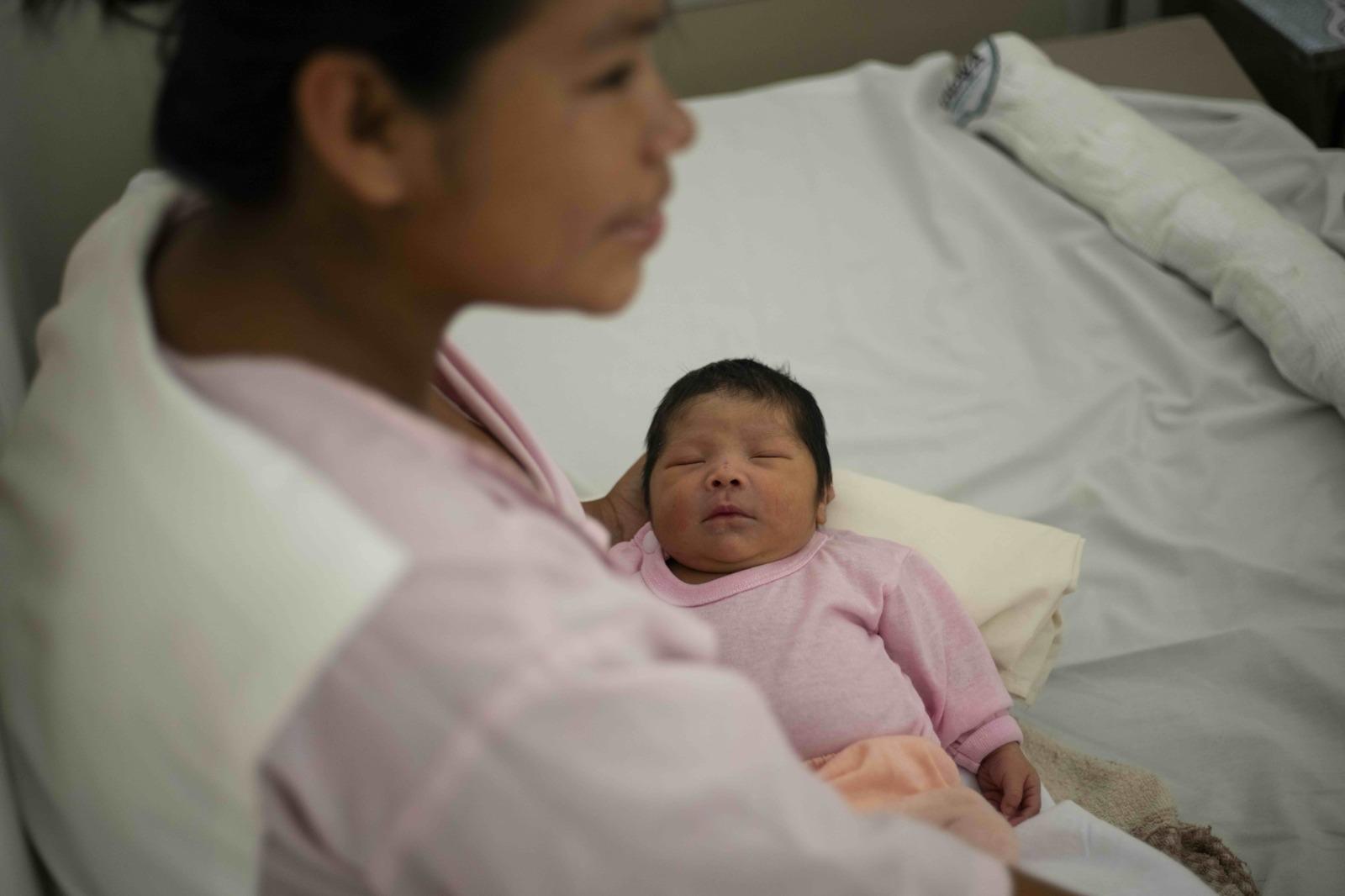
The World Health Organization (WHO) has certified Brazil as the most populous country in the Americas—and globally over 100 million people—to eliminate mother-to-child transmission (EMTCT) of HIV.
This feat, celebrated in Brasília with President Luiz Inácio Lula da Silva and health leaders, stems from Brazil’s Unified Health System (SUS), offering free prenatal HIV testing, antiretrovirals, and care to over 95% of pregnant women.
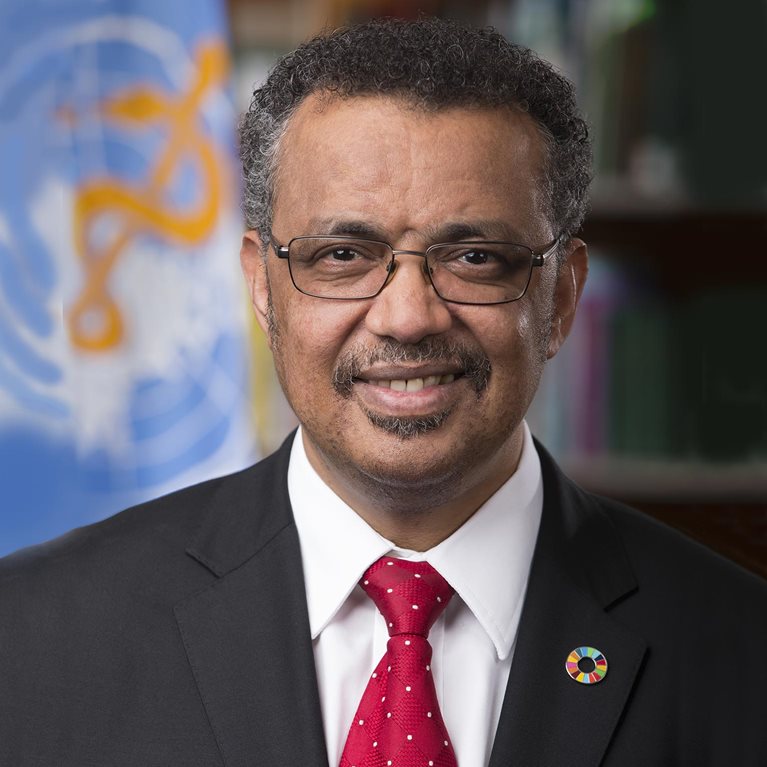
WHO Director-General Dr. Tedros Adhanom Ghebreyesus praised it as proof that “sustained political commitment and equitable access” can ensure no child is born with HIV.
UNAIDS Executive Director Winnie Byanyima, a Ugandan, called it a triumph of “universal healthcare, tackling social drivers like poverty, and securing affordable medicines—even breaking monopolies when needed.
“For Africa, where HIV hits hardest, this resonates deeply. Biennia’s words echo the continent’s fight, inspiring leaders from Nairobi to Johannesburg.
Africa’s Stark HIV Reality: WHO and UNAIDS Data
Africa remains the epicentre of mother-to-child HIV transmission, per WHO and UNAIDS 2025 reports.
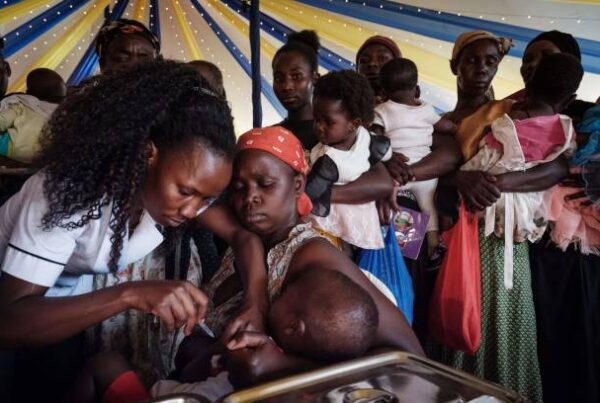
Sub-Saharan Africa saw 120,000 new paediatric infections in 2024 alone—75% of the global total—despite antiretrovirals slashing risks to near zero when accessed early.
Coverage gaps persist: Only 84% of pregnant women living with HIV receive treatment continent-wide (UNAIDS), far below the 95% EMTCT threshold.
High-burden nations like Nigeria (35,000 pediatric cases yearly) and the Democratic Republic of Congo lag, with transmission rates above 10% in underserved areas.
Progress shines in Eastern and Southern Africa, where new infections dropped 62% since 2010, but 2030 elimination goals demand acceleration.
South Africa: Africa’s Closest Contender South
Africa edges closest to Brazil’s milestone, with provincial transmission rates dipping below 2% in Gauteng and Western Cape (WHO 2025 data).
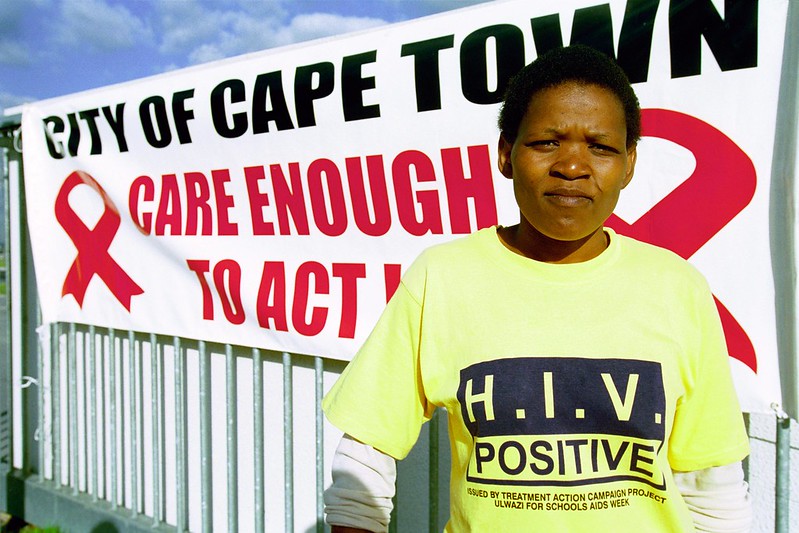
Home to 7.5 million people living with HIV, it tests 98% of pregnant women and treats 92%—bolstered by community health workers and cash transfers like Brazil’s Bolsa Família.
No African country has full WHO validation yet, unlike 19 globally (12 in the Americas). South Africa’s near-miss positions it as a continental frontrunner, but national scale-up is key.
Key Lessons Africa Can Borrow from Brazil
Brazil’s playbook offers actionable steps for African nations grappling with similar scale and inequality:
- Universal Primary Care: Free testing and treatment via decentralized systems, like SUS, mirror successes in Kenya’s grassroots clinics.
- Community and Rights Focus: Engaging civil society ensured 95% prenatal coverage, a model for Africa’s peer educators combating stigma.
- Data-Driven Adaptation: Subnational certification (states first) allowed tailored rollouts—ideal for Africa’s diverse regions.
- Affordable Meds: Breaking patents secured generics, vital as Africa pushes local manufacturing via AU initiatives.
PAHO’s Dr. Jarbas Barbosa noted: “Timely testing, treatment, and safe delivery make elimination possible—thanks to health workers and communities.
African Voices React: Hope and Urgency African leaders cheered Brazil’s win.
South Africa’s Health Minister Dr. Aaron Motsoaledi said: “Brazil proves large nations can win this war. We’ll intensify our PMTCT push to hit EMTCT by 2030.”
Kenya’s Cabinet Secretary for Health at the time Dr. Nakhumicha Wafula was quoted saying : “Their equity focus inspires us—scaling free care could avert 50,000 African cases yearly.”
UNAIDS data shows the Americas averted 50,000 paediatric infections (2015-2024) via similar efforts.
For Africa, matching that could transform generations. This milestone isn’t distant—it’s a roadmap. With political will, Africa can follow.