
By Science Writer 5484 Media | Nairobi | Kenya
When Google abandoned its first attempt at smart glasses almost a decade ago, the world—and especially Africa—was at a very different place technologically. Smartphones were still the centre of digital life, mobile internet was still maturing, and conversations about artificial intelligence were nowhere near mainstream.
Today, the landscape has transformed dramatically. AI tools now shape how young people learn, work, create, hustle and explore opportunities online. And it is into this new era that Google plans to re-enter the smart glasses market in 2026, armed with more powerful technology, sleeker design, and a clearer purpose.
A Second Attempt—But This Time the World Is Ready
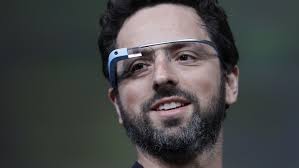
Google Glass, launched in 2013, promised to revolutionise computing with an always-on camera and a tiny display above the right eye. Instead, it triggered global backlash. Privacy fears, awkward design, and a lack of clear real-life uses made it a symbol of tech overreach. The product died by 2015.
But 2026 is not 2013.
AI now drives the global tech conversation. Meta alone has sold more than two million pairs of its AI-powered smart spectacles. According to Counterpoint Research, global AI glasses sales rose more than 250% in early 2025 as consumers warmed to the idea of wearable computing.
For Google, whose AI platform Gemini has become one of the world’s most advanced chatbots, the moment is ripe. The company plans to release two versions of the new glasses:
- one with no screen, using voice and sound for interaction;
- another with a built-in display, blending digital information with the real world.
The tech will allow users to access Gemini hands-free—ask questions, translate speech instantly, summarise text, get directions, or perform tasks without touching a phone.
Why This Matters for Africa’s Youth
More than 60% of Africa’s population is under 25, and they are already the fastest adopters of mobile technology globally. For this demographic, smart glasses could evolve from a luxury gadget to a tool of empowerment.
1. Hands-free learning and translation
Young people navigating multilingual societies—from Nairobi to Lagos to Kinshasa—could benefit from real-time translation in classrooms, lecture halls, or job sites.
2. A new frontier for content creators
Africa’s digital creators are rising globally. Smart glasses that allow hands-free filming, live guidance, and instant editing suggestions could reshape how creators capture stories, music, fashion, culture or street life.
3. Jobs and skills for the AI economy
As AI tools become more integrated into daily life, new careers will emerge: virtual assistance, wearable tech repair, AI content moderation, AR design, and productivity optimisation. Youth skilled in these areas will be competitive globally.
4. Accessibility and inclusion
For people living with disabilities—visual, physical or cognitive—AI glasses could become a crucial support tool for navigation, reading, recognition, and reminders.
5. Entrepreneurship and innovation
Africa’s inventive youth may use AI glasses to build localised solutions—from medical assistance tools for rural nurses to agricultural guidance for farmers, to retail inventory solutions for small traders.
The possibilities may be endless—but only if the technology becomes affordable and privacy concerns are handled with transparency.
Where Google Went Wrong Before—And What Must Change
- Google Glass stumbled due to:
- Privacy fears (silent recording raised alarms)
- Bulky, unfinished design
- Lack of useful real-world applications
- High cost
Tech analyst Paolo Pescatore notes that the product was “ahead of its time,” but poorly executed.
This time, Google faces stiff competition—but also a more mature market. AI is now part of daily life. Wearable tech is more stylish. Partnerships with fashion eyewear brands are improving comfort and appeal. And young consumers are more open to trying emerging technologies.
Still, the big questions remain:
Will users trust smart glasses in public?
Can they solve real problems, not just show off cool features?
Will they be priced within reach—especially for global south markets?
The African Angle: Adoption vs Access
African markets have always embraced mobile-first solutions quickly—mobile money being the clearest example. But widespread adoption of smart glasses will depend on:
- price
- battery life
- data availability
- localised AI models
- cultural acceptance
- safety and privacy laws
Tech companies that build features specifically for African contexts—such as offline capabilities, local language support, community-based tools, and durable designs—will win.
A Future Within Sight
Google’s 2026 return to smart glasses may not just be about correcting a past mistake; it may signal the beginning of a new era of wearable AI.
For Africa’s youth—creative, restless, ambitious, and digitally savvy—the technology could open doors to learning, jobs, storytelling, and global competitiveness.
But whether smart glasses become essential tools or just another trend will depend on one thing:
their ability to meaningfully improve everyday life.