

BY BUSINESS WRITER | 5484 MEDIA | NAIROBI
STORY HIGHLIGHTS
- Ghana scraps mining stability agreements and doubles royalties amid record gold prices.
- Other African producers, including Mali and Burkina Faso, reassess contracts to boost national benefits.
- Analysts say reforms signal rising resource nationalism and greater state leverage in mining deals.
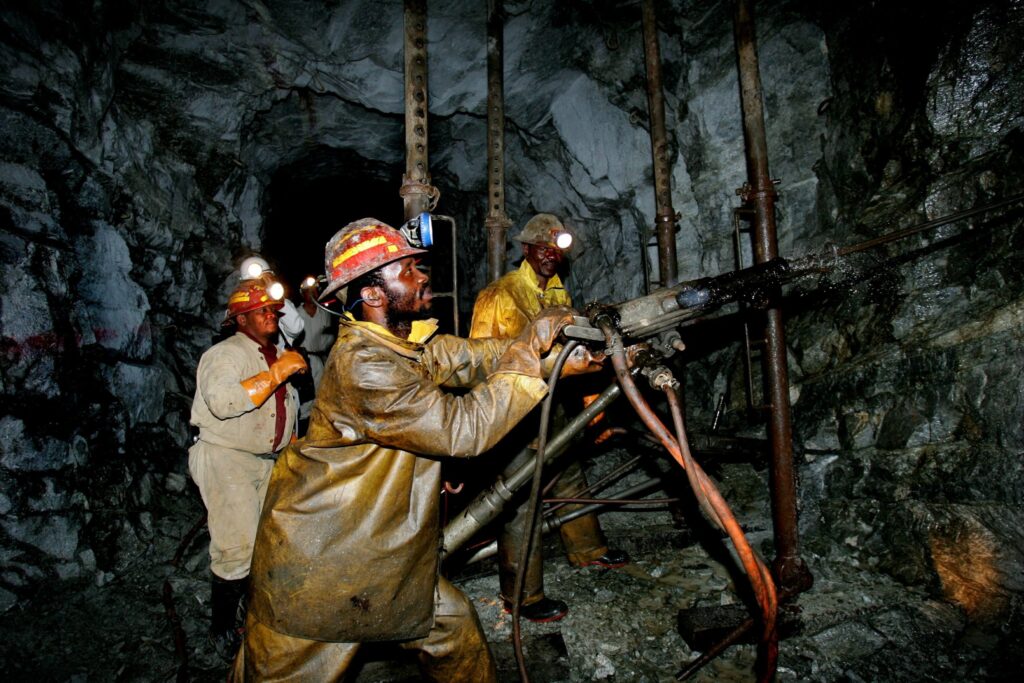
Ghana, Africa’s largest gold producer, is moving to reshape its mining sector by cancelling long-term stability and development agreements and significantly increasing royalty rates to capture more revenue as global gold prices hover near record highs of about $4,590 per ounce.
Under proposed reforms set to be enshrined in law and tabled in Parliament by March, royalty rates would start at 9 per cent and rise to 12 per cent if the gold price exceeds $4,500 per ounce — roughly double the current 3–5 per cent band. Stricter local-content rules will also favour Ghanaian companies in procurement and operations.
Acting CEO of the Minerals Commission, Isaac Tandoh, said stability agreements will not be renewed automatically, signalling a new era of fiscal terms that prioritise national returns on the country’s mineral wealth.
Temporary Leases And Industry Pushback
In the immediate term, Parliament has approved short, one-year non-renewable leases for some mines, such as the Damang operation, to ensure continuity while the broader regulatory framework is revisited.
However, some mining firms have resisted earlier attempts to increase taxes, arguing that abrupt changes undermine investor confidence and violate existing licences. In mid-2025, producers operating in Ghana and neighbouring Ivory Coast refused to pay higher taxes while negotiations continued, citing protection of agreed terms.
African Peers Revisit Deals To Assert National Benefits
Ghana’s policy shift reflects a broader trend across Africa where resource-rich countries are reassessing long-standing mining contracts to ensure greater economic benefits and local participation.
In neighbouring Mali, authorities and mining giant Barrick reached a major deal late in 2025 after a protracted dispute over a revised mining code that increased royalties and expanded state participation. The settlement followed a period in which the government seized gold and asserted regulatory control before both sides agreed new terms to resume operations.
Several West African nations, including Guinea and Burkina Faso, have cancelled exploration permits or nationalised gold assets, shifting ownership and control to state entities or local companies.
Reasons Behind The Relook Of Old Deals
Several key factors are driving the reassessment of mining contracts across the continent:
Surging Global Commodity Prices: With gold trading at multi-year highs, governments seek a larger share of windfall gains through higher royalties and fees.
Economic Pressures: Many countries face fiscal deficits, high debt burdens, and revenue shortfalls, prompting them to renegotiate terms that boost state income.
Resource Nationalism: Rising political sentiment emphasises local benefit, employment, and industrial linkages tied to natural resources.
Local Content and Sovereignty: Stricter local-content rules and increased state shares in mining ventures aim to foster domestic industry and retain value within national economies.
Lessons For Other African Countries
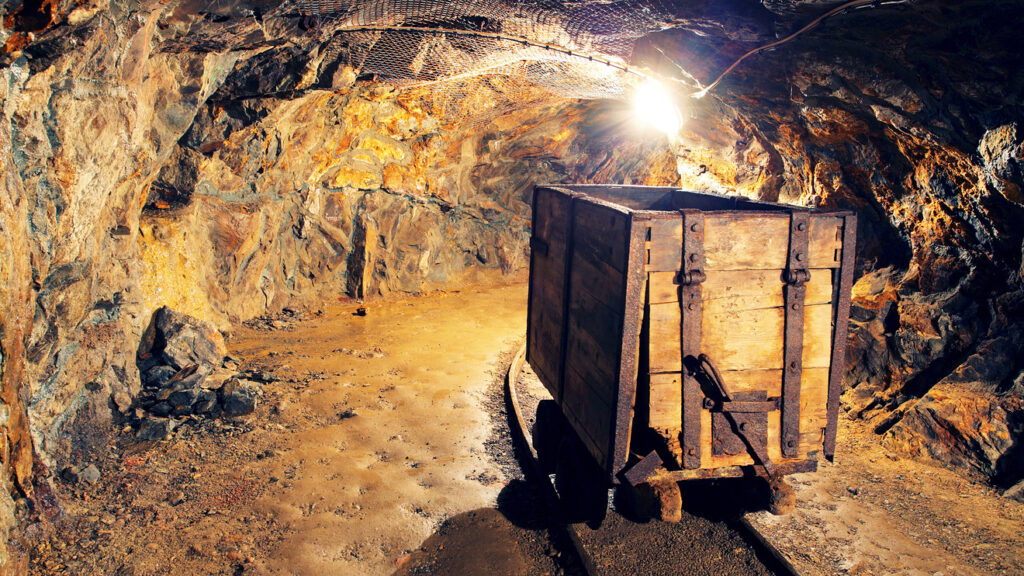
Africa’s evolving mining landscape underscores several lessons for countries seeking to balance investment attraction with national interests:
- Policy Certainty Matters: Sudden contractual changes can spook investors; transparent consultation and phased reforms help maintain confidence.
- Balanced Benefit Sharing: Effective frameworks ensure communities and governments benefit more equitably from extraction without deterring sustainable investment.
- Local Content Strengthened: Policies that promote local procurement, skills development, and joint ventures can deepen industrial linkages and broaden economic impact.
- Regional Cooperation: Shared regulatory benchmarks and dialogue among neighbouring producers can mitigate competitive disadvantages while enhancing collective bargaining power.
As Africa continues to assert greater control over its mineral wealth, Ghana’s reforms may serve as both a model and caution for others navigating the complex interplay of revenue imperatives, investor relations, and sustainable development in the mining sector.