BY HEALTH REPORTER | 5494 MEDIA| NAIROBI
STORY HIGHLIGHTS
- Cabo Verde, Egypt and three others became malaria-free between 2024–2025, proving elimination is within reach.
- Kenya cut malaria deaths by 93% in a decade through vaccines, nets and community drives.
- New tools and vaccines averted an estimated 170 million cases and 1 million deaths in 2024 alone.
Africa’s decades-long fight against malaria is showing its strongest gains yet, with a wave of national victories reshaping a continent once synonymous with the disease. While hotspots such as Nigeria, the Democratic Republic of Congo and Tanzania still shoulder the highest burden, success stories from Cabo Verde, Egypt and Kenya signal that malaria elimination — once a distant ambition — is rapidly becoming reality.
Island and Desert Pioneers Lead Malaria-Free Push
Cabo Verde’s certification as malaria-free in 2024 has become the new benchmark for small-island public health planning. A mix of surveillance, testing and net distribution helped wipe out transmission — unlocking a tourism boom that drives a quarter of the country’s GDP.
Egypt followed, capitalising on aggressive monitoring along the Nile basin to stamp out the disease. In 2025, Georgia, Suriname and Timor-Leste joined the global malaria-free club — a strong signal that well-resourced strategies can deliver lasting results across vastly different geographies.
Rwanda, meanwhile, has cut malaria by more than 90% since 2000, deploying drones, testing and digital surveillance. Algeria and Mauritius — long-certified — remain proof that health security strengthens economic stability.
Kenya’s Rapid Gains Power a Regional Shift
Kenya is emerging as East Africa’s breakout performer. Under its 2023–2027 malaria strategy, the country has reduced prevalence from 8% to about 5.6–6% and slashed annual deaths by 93% over ten years.
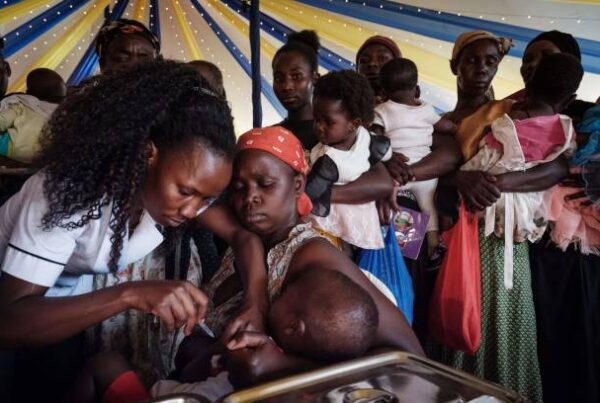
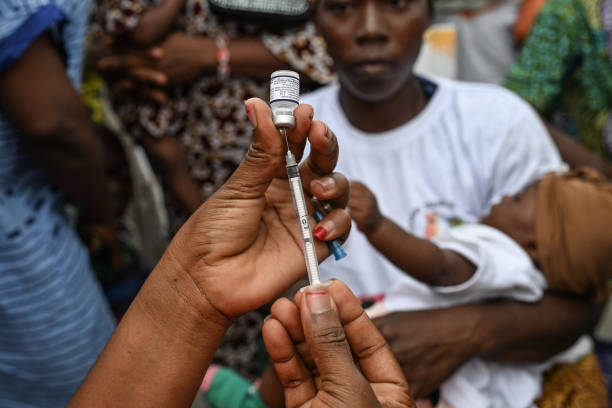
Nearly 18.3 million long-lasting nets were distributed in 2024; WHO-approved vaccines including RTS,S are now reaching children in high-risk counties; and community health workers are diagnosing and treating millions at household level.
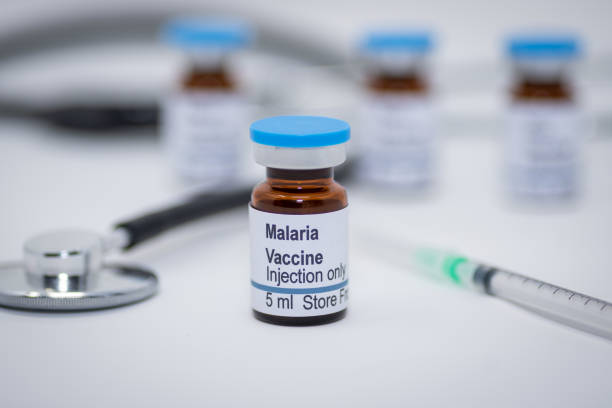
With 15 million people still living in endemic zones, the push continues — but the results are already reshaping childhood survival. Under-five mortality has dropped 64% since 2003. Kenya is now positioning itself as a safer destination for tourism in parks like Maasai Mara and a more reliable business base in Nairobi.
Vaccines and Smart Nets Transform the Battlefield
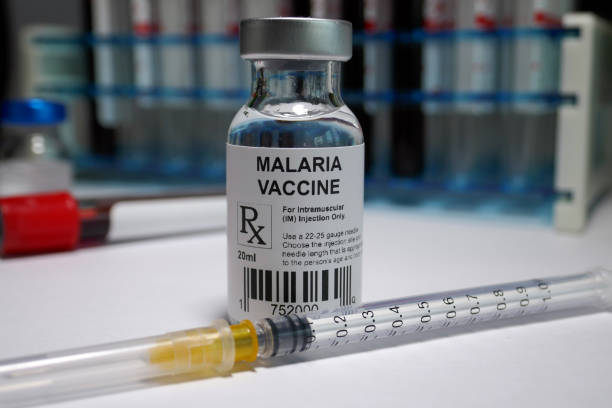
New technologies are rewriting malaria prevention. Dual-ingredient nets, designed to overcome insecticide resistance, and early-stage vaccines helped prevent an estimated 170 million infections and around 1 million deaths in 2024.
Twenty-four countries have so far adopted routine malaria immunisation — an unprecedented rollout that health agencies believe could deliver a generational turn in Africa’s disease burden.
Economic Payoff: Health Gains Unlock Growth
Malaria has long drained Africa’s earnings — costing an estimated US$12 billion a year in lost productivity, medical bills and discouraged investment.
As prevalence falls, labour productivity improves, supply chains stabilise and international visitors return. Countries reaching malaria-free status — Cabo Verde among them — are attracting new foreign direct investment.
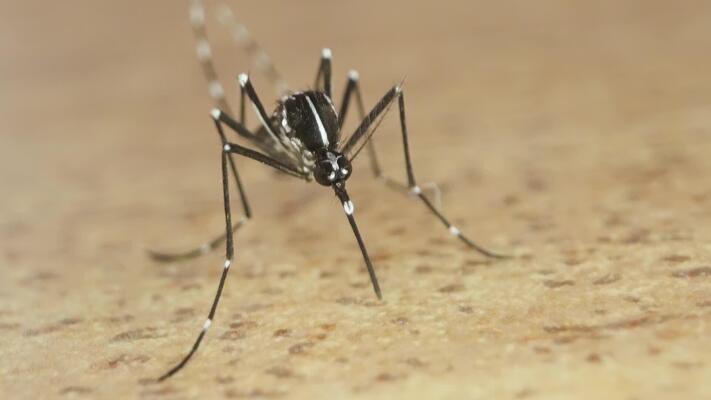
For Kenya, further gains could accelerate growth in its technology sector, expand diaspora investment pipelines and boost a tourism industry already central to jobs and national income.
Hope Rising for High-Burden Nations
Nigeria still accounts for just over 30% of global malaria deaths — but it is rolling out vaccines, strengthening surveillance and adopting models proven elsewhere on the continent. The Democratic Republic of Congo, Niger and Tanzania are doing the same despite significant structural challenges.
Africa’s anti-malaria revolution is far from complete — but it is unmistakably gathering pace. With Kenya now joining the front-runners, a path is opening to a future where the world’s oldest killer disease no longer defines Africa’s story.