
By International Correspondent | 5484 Media | Nairobi, Kenya
STORY HIGHLIGHTS
- Africa accounts for the overwhelming majority of countries affected by the expanded U.S. travel ban, intensifying concerns over mobility, diplomacy and global inequality.
- Tanzania’s first-ever inclusion reflects a shift from conflict-based targeting to data-driven criteria such as visa overstays and documentation standards.
- Analysts warn the policy could strain U.S.–Africa relations and accelerate Africa’s strategic pivot toward alternative global partners.
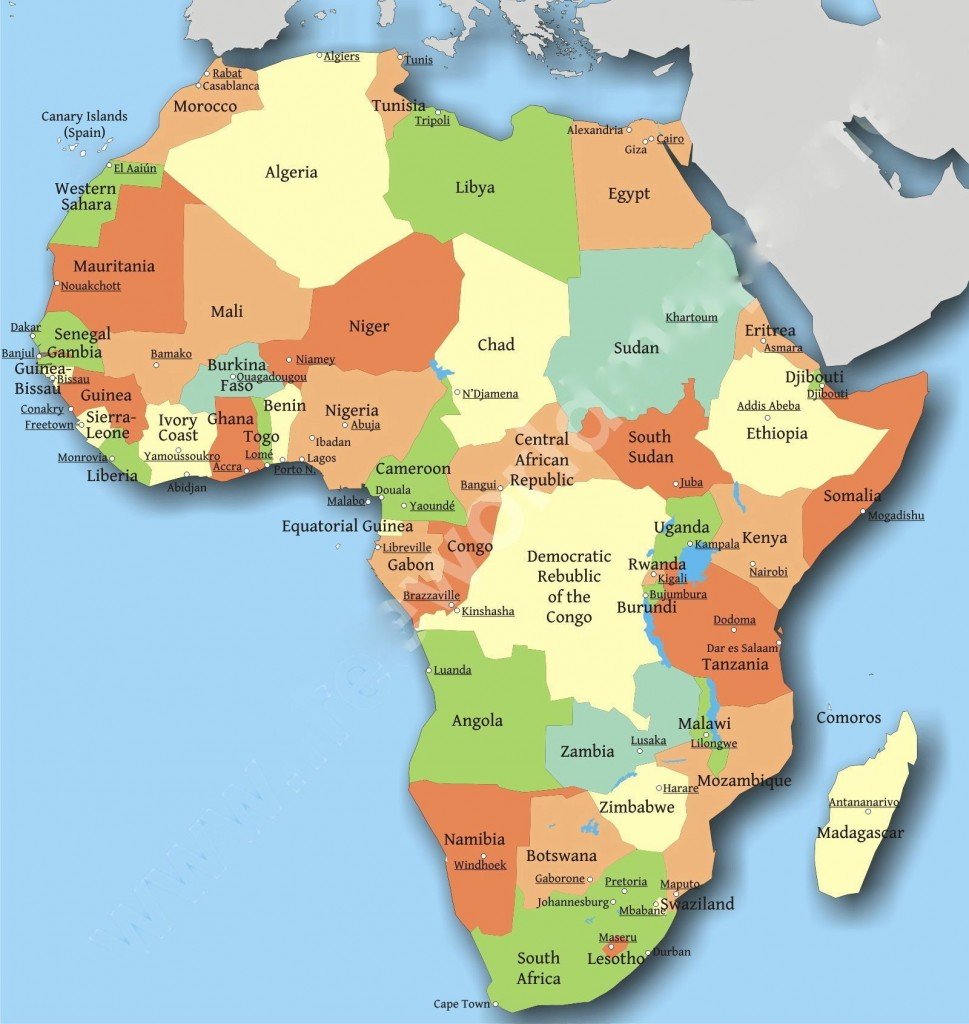
Africa has emerged as the region most affected by the latest expansion of the United States’ travel restrictions, following a proclamation signed by President Donald Trump on December 16 that added 20 more countries to an already contentious list. Of those newly affected, 16 are African, firmly placing the continent at the centre of Washington’s evolving immigration and national security strategy.
The proclamation introduces full entry bans on five additional countries — Burkina Faso, Mali, Niger, South Sudan and Syria — while imposing partial restrictions on 15 others, including Tanzania, Nigeria, Senegal and Zambia. The measures expand restrictions first revived in June 2025 and go further than those implemented during Trump’s first term, both in scope and geographic reach.
For Africa, the result is stark: no other region has seen as many countries subjected to either full suspension or partial limitation of immigrant and non-immigrant travel to the United States.
A Shift in Context and Criteria
Unlike earlier travel bans that were widely perceived as targeting conflict zones or Muslim-majority countries, the current policy is explicitly framed as data-driven and compliance-based. The U.S. administration cites persistent deficiencies in civil documentation systems, high visa overstay rates, weak information-sharing mechanisms and refusal by some governments to accept deported nationals.
This shift explains why countries traditionally viewed as politically stable — including Tanzania and Senegal — now appear alongside states battling insurgency and state fragility. Security threats remain a factor, particularly in the Sahel, but they are no longer the sole determinant.
Tanzania’s Inclusion Raises Regional Questions
Tanzania’s appearance on the list for the first time has drawn particular attention across East Africa. Long regarded as a relatively stable country with cordial relations with Washington, its inclusion marks a significant departure from previous U.S. travel restrictions.
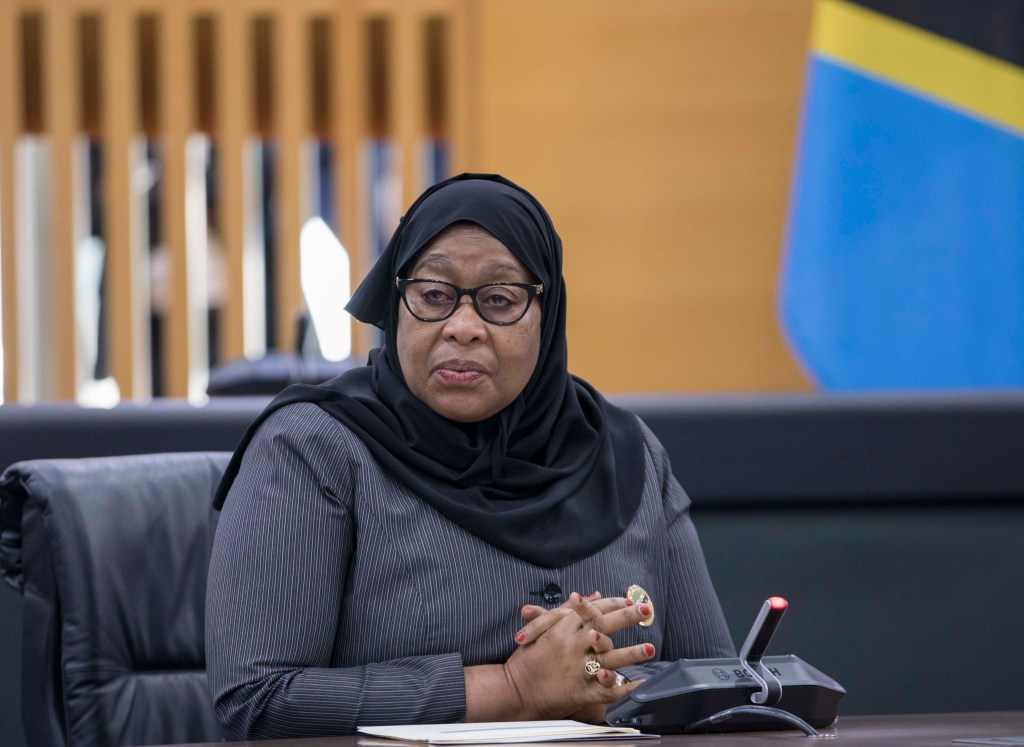
According to U.S. Department of Homeland Security data cited in the proclamation, Tanzania recorded a B-1/B-2 (tourist and business) visa overstay rate of 8.3 percent, and an F, M and J (student and exchange) overstay rate of nearly 14 percent. While not the highest globally, these figures were deemed sufficient under the new framework to warrant partial restrictions.
The decision underscores a broader technocratic shift: countries are now assessed less on geopolitical alignment or internal conflict, and more on administrative capacity, migration compliance and data integrity. For East African states, this raises pressing questions about civil registration systems, border management and bilateral engagement with U.S. authorities.
Other Notable and Surprising Entrants
Nigeria’s continued placement under partial restrictions remains contentious. As Africa’s largest economy and a key U.S. security partner, Nigeria’s inclusion reflects Washington’s concern over extremist activity in certain regions, but also over documentation challenges and migration compliance — despite comparatively moderate overstay rates.
Senegal’s presence has also surprised many observers. Often cited as a democratic and diplomatic success story in West Africa, its inclusion signals that no country is exempt when migration statistics fall outside U.S. benchmarks.
Beyond Africa, the addition of Caribbean states such as Antigua and Barbuda and Dominica highlight another emerging concern: Citizenship-by-Investment programmes, which U.S. officials argue can obscure identity verification and weaken vetting processes.
Why Africa Is hugely Affected
U.S. officials point to structural challenges that cut across many African states: incomplete birth registration systems, unreliable civil records, limited biometric databases and weak law-enforcement information sharing. High visa overstays rates and resistance to repatriation further compound the problem.
Analysts, however, note an additional layer — power asymmetry. Visa access has become a tool of diplomatic leverage, and African countries, with limited negotiating power and high outbound mobility pressures, are particularly vulnerable to such measures.
Implications for the Continent
The consequences extend well beyond travel. Educational exchanges, professional mobility, business links and diaspora engagement are all likely to be affected. African students face narrowing opportunities in U.S. institutions, while entrepreneurs and professionals encounter new barriers to trade, investment and collaboration.
Diplomatically, the ban risks eroding decades of people-to-people ties and may weaken U.S. influence on the continent. Several analysts warn it could accelerate Africa’s engagement with alternative partners such as China, Russia, Turkey and Gulf states, which offer cooperation without comparable mobility restrictions.
Muted Official Responses, Growing Public Unease
Official reactions across Africa have been largely restrained, with governments opting for quiet diplomacy and technical engagement rather than open confrontation. The African Union has reiterated its call for border security measures that are “balanced, evidence-based and reflective of long-standing partnerships.”
Public sentiment, however, has been more critical. Many view the ban as collective punishment that unfairly stereotypes entire populations. Others argue it should serve as a wake-up call for African governments to invest in stronger documentation systems and migration management to avoid future sanctions.
A Policy with Long-Term Consequences
Framed by Washington as a matter of national security, the expanded travel ban carries deep diplomatic and symbolic implications. For Africa — and for East Africa in particular — it reinforces a persistent global reality: mobility is increasingly governed by administrative capacity rather than individual merit.
As Tanzania and other newly listed countries assess their next steps, the broader question remains unresolved — whether exclusion will prompt cooperation and reform, or quietly redraw the lines of global influence in an already competitive geopolitical landscape.