By Odhiambo Joseph | 5484 Media | Nairobi | Kenya
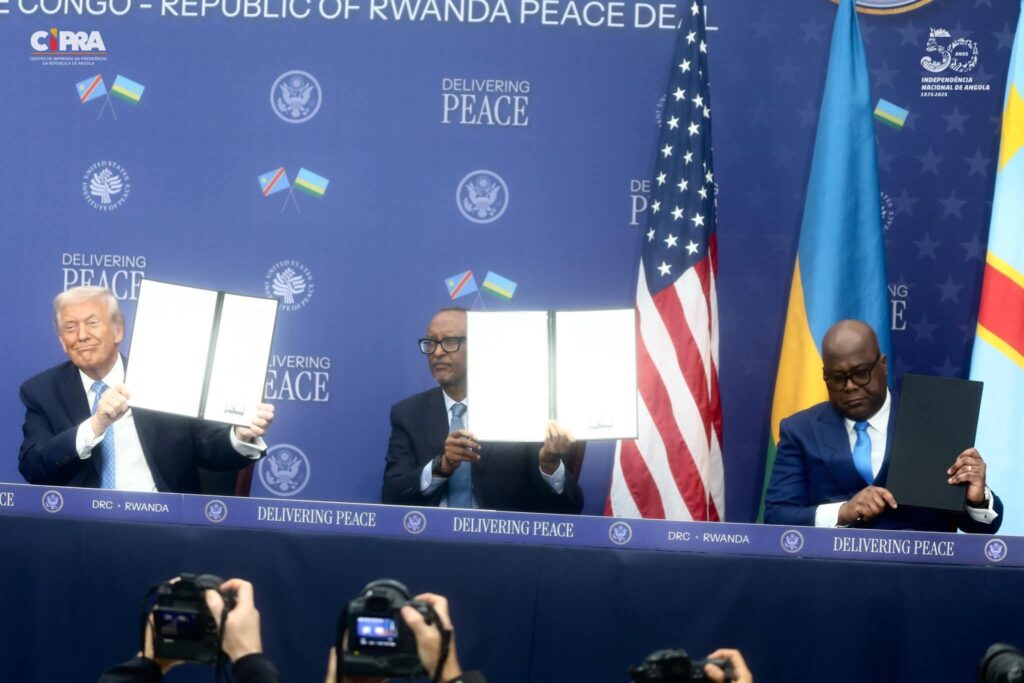
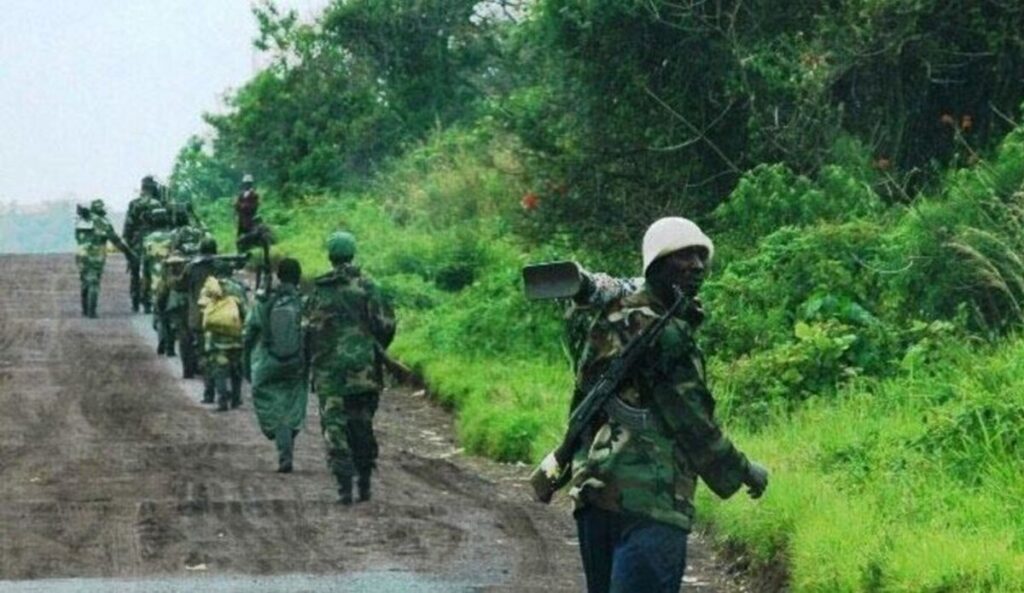
The ink on the Washington peace agreement signed on 4 December 2025 is barely dry, yet fresh fighting in South Kivu shows just how fragile the moment is. A new joint statement by the International Contact Group for the Great Lakes (ICG) on 9 December paints a worrying picture: M23 rebels—supported by the Rwanda Defence Force (RDF)—have launched a new offensive around Uvira, dangerously close to Burundi. Even more alarming is the deployment of attack drones and suicide drones, signalling a major escalation with direct consequences for civilians.
This development immediately raises hard questions about the viability of the peace deal, the intentions of the actors, and the role external guarantors like the United States and Kenya can realistically play.
What Is Actually Happening on the Ground?
Despite the Washington Accord’s commitments to an immediate ceasefire, withdrawal of foreign-backed armed groups, and de-escalation, the situation on the ground tells a different story:
M23 has advanced in South Kivu, expanding fighting outside its traditional North Kivu strongholds.
The RDF is accused of supporting the offensive, contradicting Rwanda’s commitment made in Washington four days earlier.
The DRC army (FARDC) is reinforcing positions and preparing counter-operations.
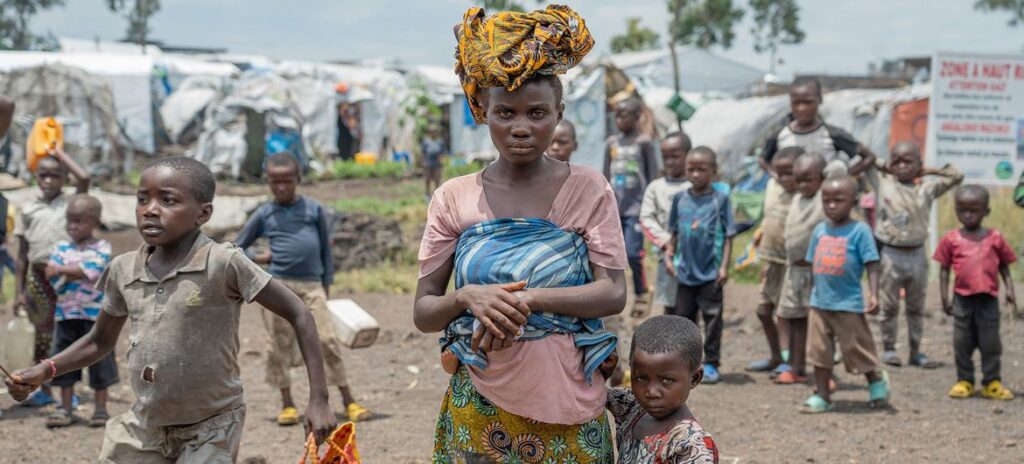
Humanitarian agencies report new displacement and restricted access due to drone attacks.
In short: the conflict has not paused; it has evolved.
What Are the Warring Factions Saying?
M23’s Position:
Historically, M23 insists it fights to protect Tutsi communities and to force political reforms in Kinshasa. Sources around the group argue that FARDC has continued provocative deployments despite the peace agreement, giving the rebels “no choice” but to act.
They have not formally acknowledged violating the ceasefire, but their actions speak louder.
The DRC Government’s Position:
Kinshasa sees the new offensive as proof that Rwanda and M23 are not serious about peace. Government officials have stated informally that the Washington signing was “a diplomatic show” and that the presence of President Trump and President Ruto did not change Kigali’s military calculus.
Rwanda’s Position:
Rwanda typically denies direct RDF involvement, framing allegations as “smear tactics.” But the ICG’s unusually strong language—explicitly naming the RDF—suggests Western intelligence has verified Rwanda’s role.
This divergence in narratives reveals a core weakness of the peace deal: the parties do not agree on basic truths, let alone mutual intentions.
What Does This Mean for the Peace Deal?
The Washington Accord is not dead, but it is already severely tested. The new drone-enabled offensive:
Undermines trust between the parties
Violates key commitments made on 4 December
Risks derailing the momentum generated in Washington
Signals that military logic is still dominating political logic on the ground
If escalation continues in South Kivu, the peace agreement could quickly become another addition to the long list of failed DRC accords.
Are the Parties Serious About Peace?
Right now, the evidence is mixed:
The DRC and Kenya appear committed, having invested heavily in the Washington process.
Rwanda and M23’s actions contradict their Washington commitments, raising doubts about their seriousness.
Regional actors (Burundi, Uganda, Tanzania) are watching silently but anxiously as fighting approaches their borders.
Peace demands more than signatures—it demands restraint on the battlefield. That restraint is currently missing.
Can Trump and Ruto Still Intervene?
Yes—but their leverage is limited and time-sensitive.
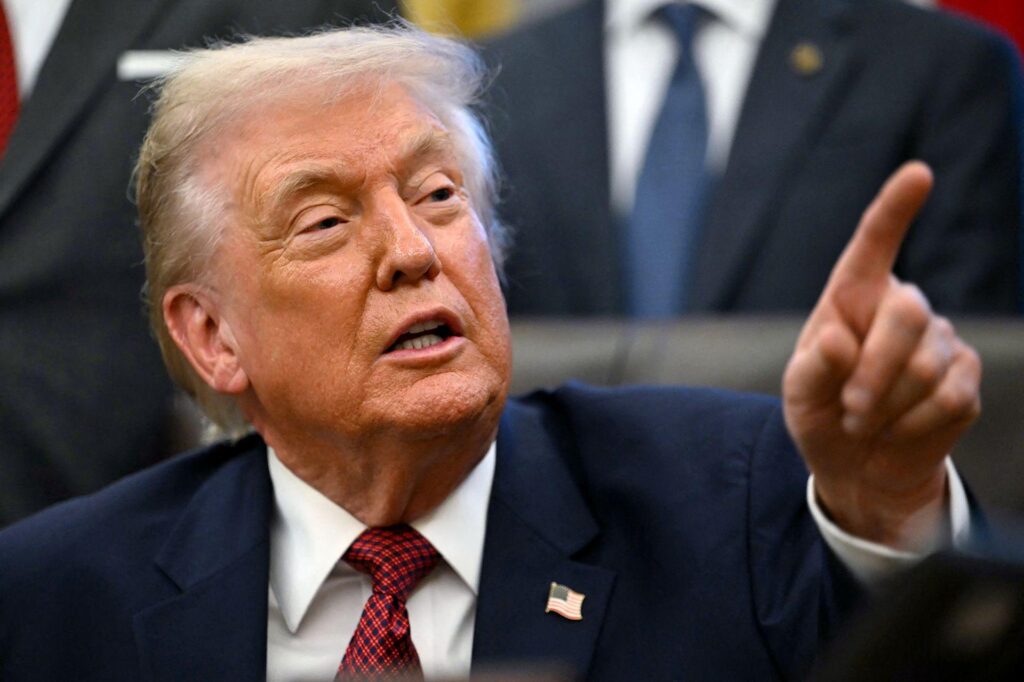
What President Trump Can Do
- Apply diplomatic pressure on Rwanda by leveraging security and economic ties
- Mobilize the ICG, the UN Security Council, and NATO partners
- Threaten sanctions on individuals undermining the accord
- Push for rapid activation of the joint monitoring mechanism promised in Washington
Without U.S. enforcement mechanisms, the deal may not survive.
What President Ruto Can Do
- Intensify EAC and Nairobi Process diplomacy
- Maintain direct communication channels with Kigali and Kinshasa
- Push for emergency verification teams on the ground
- Rally regional support to isolate violators of the ceasefire
- Use Kenya’s role as chief mediator to demand accountability
However, neither Trump nor Ruto commands troops on the ground. Their power is political, diplomatic, and symbolic—not military.
Conclusion: A Peace Deal in Jeopardy, but Not Yet Lost
The renewed violence in South Kivu is a critical stress test of the Washington peace agreement. The actions of M23 and the alleged involvement of the Rwanda Defence Force cast doubt on the sincerity of some key players.
Yet, international attention is now sharply focused on the Great Lakes region. The joint condemnation from powerful Western states, combined with pressure from Washington and Nairobi, may still force combatants back into compliance.
For now, the peace deal hangs in the balance—still alive, but in urgent need of rescue.