BY VICTORIA AMUNGA | 5484 MEDIA | KISUMU , KENYA
STORY HIGHLIGHTS
- Mass drug campaigns have helped curb bilharzia infections across Africa, but cuts in foreign health aid are straining national health systems
- Experts warn that without sustained funding, preventable tropical diseases risk resurging in vulnerable communities
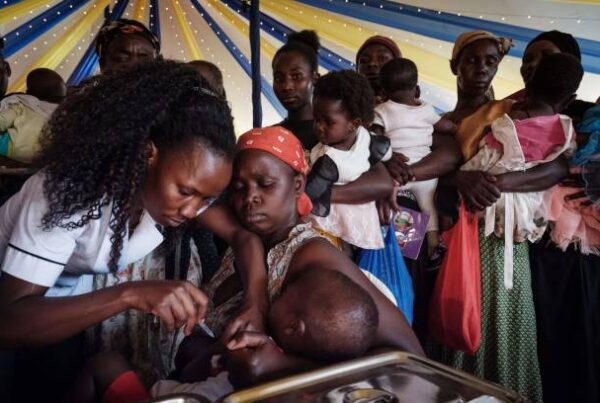
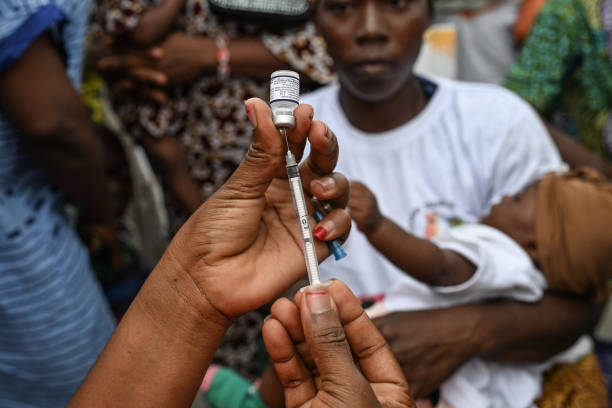
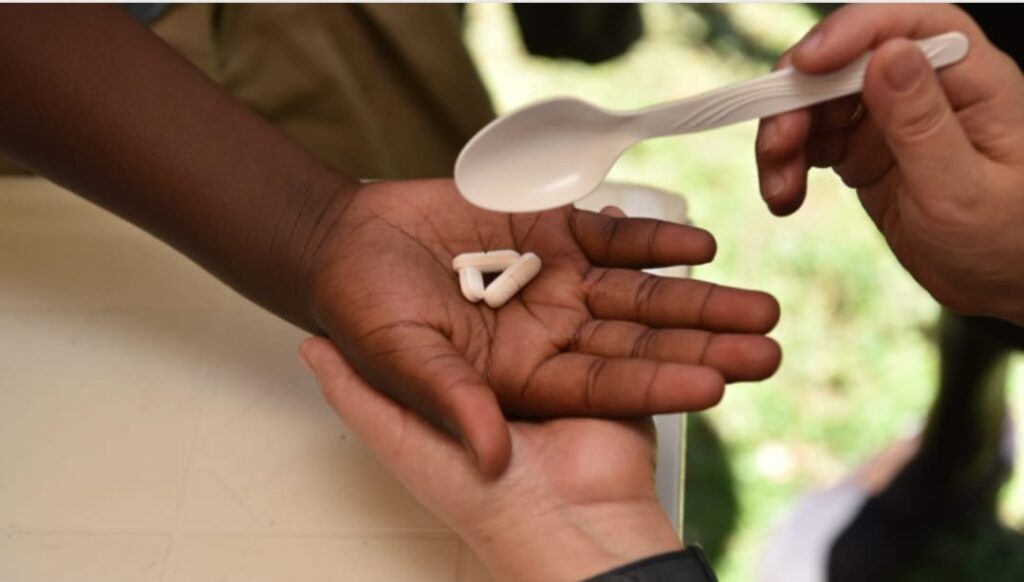
In western Kenya’s Nyando Sub-county, near the shores of Lake Victoria, health workers are carrying out a mass drug administration exercise aimed at protecting children from bilharzia — a parasitic disease linked to poor sanitation and unsafe water.
A widespread but preventable disease
Bilharzia, also known as schistosomiasis, affects more than 250 million people globally, the majority of them in sub-Saharan Africa. Infection occurs through contact with contaminated freshwater, where the parasites thrive. Symptoms range from itchy skin, rashes, fever, and muscle aches to more severe complications such as abdominal pain, diarrhoea, and blood in the stool or urine.
In Kenya and other affected countries, mass drug administration has been a cornerstone of disease control, significantly reducing infection rates, particularly among school-age children.
Daily exposure driven by livelihoods
But for communities whose livelihoods depend on water, exposure remains a daily risk.
“Here, we plant rice, and rice farming means standing in water,” says Paul Ochieng, a community health promoter in Nyando. “Our children help in the fields, and that water carries the bilharzia parasites. We also experience frequent flooding, which increases the risk.”
Foreign aid cuts strain public health systems
This year, cuts and delays in foreign health aid — long a critical source of funding for disease control programmes across Africa — are placing additional strain on already stretched public health systems. Governments are now being forced to rethink how they sustain prevention efforts with fewer external resources.
“It is up to us to mitigate the impact of these funding cuts,” says Wyclif Omondi, Assistant Director for Medical Parasitology at Kenya’s Ministry of Health. “We are realigning our programmes to leverage existing health systems and strengthen community-based prevention. Preventive measures are becoming the pillar of our strategy, rather than relying on costly curative care.”
Risk of neglected diseases slipping down the agenda
Across the continent, neglected tropical diseases such as bilharzia risk slipping further down the global health agenda as governments contend with competing priorities — from pandemics to climate-related emergencies.
Global health experts warn that while mass drug administration is effective, it cannot succeed without sustained community engagement and behavioural change.
Community empowerment seen as key
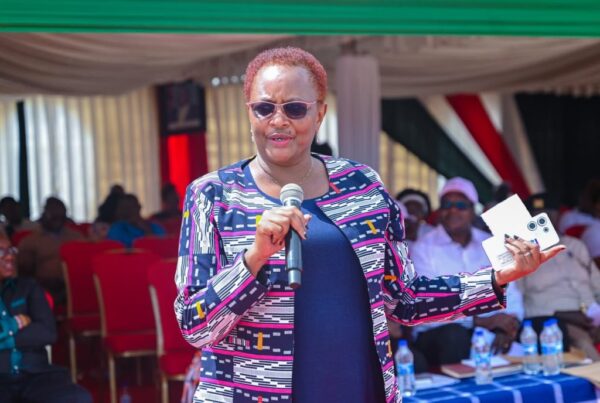
Hong Chow, Head of China and International Affairs at the Merck Foundation, says empowering communities is now more important than ever.
“The community knows best what its people need,” she says. “When communities are mobilised, participation is high — as we’ve seen here with hundreds of children turning up for treatment. But medication alone is not enough. We need safe water, improved sanitation, and, above all, education.”
Families fear a preventable disease may return
For families living in high-risk areas, the threat of bilharzia is never far away. Lilian Adhiambo, a mother in Nyando, worries constantly about her children’s exposure.
“There is a lot of water around our home,” she says. “I’m always worried that my children could get infected.”
What is at stake
Kenya’s experience underscores what coordinated public health action can achieve — and what could be lost if funding gaps continue to widen. As international donors scale back support, the question facing many low- and middle-income countries is whether national health systems can adapt quickly enough to protect the most vulnerable from diseases that are preventable, but far from eliminated.